
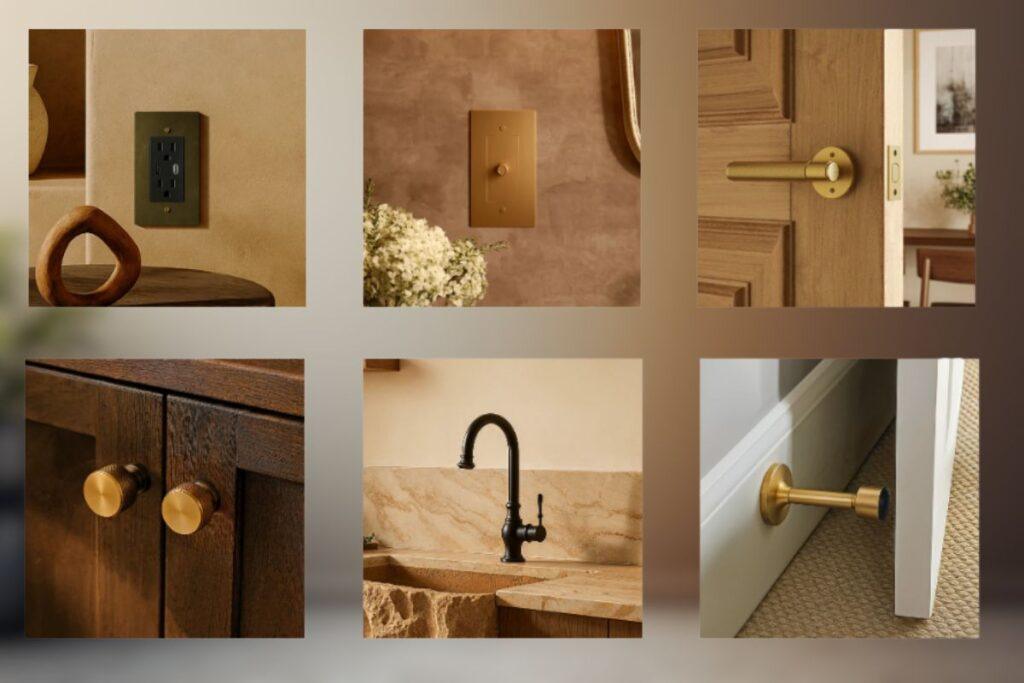
Your home is full of small hardware you probably never think about. Door handles, cabinet pulls, hinges, hooks – they’re everywhere, quietly doing their jobs. But when these pieces are outdated, mismatched, or just plain ugly, they drag down your entire home’s appearance.
The good news? Updating house & home hardware is one of the easiest and most affordable ways to refresh your space. You don’t need special skills or expensive tools.
Most hardware swaps take minutes, not hours. Yet these small changes pack a serious visual punch, turning tired rooms into spaces that feel fresh, coordinated, and intentional.
Start Where You’ll See the Biggest Change
The kitchen wins, hands down. You touch cabinet hardware dozens of times daily. You see it from every angle, in every light. Old hardware here ages your entire home faster than dated appliances or worn counters.
I once helped a friend update her kitchen hardware. Twenty-year-old oak cabinets with those curved brass pulls that screamed, “I was installed in 1994!” We spent $120 on matte black bar pulls. Two hours later, her kitchen looked like she’d spent thousands on new cabinets. That’s the magic of hardware – maximum impact for minimum investment.
Here’s my formula: count your cabinets and drawers. Multiply by $5-8 for decent hardware. That’s your budget. Now pick one finish and stick with it religiously. Black works with everything. Brushed nickel never really goes out of style. Brass is back if you’re feeling trendy. Just don’t mix unless you really, really know what you’re doing.
Measure before you buy anything. Standard cabinet pulls have holes spaced 3, 4, or 5 inches apart. Get this wrong and you’ll be returning bags of hardware or drilling new holes. Neither is fun. Make a cardboard template if you’re changing sizes. Trust me on this one.
The Door Hardware Situation Nobody Talks About
Walk through your house right now. Look at every interior doorknob. Are they all the same finish? Same style? If you answered no, you’re not alone. Most homes evolve, and doorknobs get replaced piecemeal. The result? Visual chaos that you’ve stopped noticing, but guests definitely see.
Replacing all interior doorknobs sounds expensive until you do the math. Basic passage sets cost about $15 each. Most homes have 10-15 interior doors. That’s $150-225 to completely coordinate this aspect of your home. Compare that to any other home improvement project. It’s basically free.
The process is stupidly simple. Most interior doorknobs use the same size holes and spacing. You unscrew the old one, slide in the new one, and tighten the screws. Each door takes maybe five minutes. Do them all on a Saturday afternoon while listening to podcasts.
But here’s what nobody mentions: the hinges. If you’ve got oil-rubbed bronze doorknobs swinging on bright brass hinges, the look falls apart. Replacing hinges takes longer, but finishing the job properly makes everything look intentional instead of halfway done.
Outside Hardware Sets the Tone
Your front door hardware is the handshake of your home. Weak, loose, or tarnished hardware gives a bad first impression before anyone steps inside. This is where spending slightly more makes sense. Your entry hardware faces weather, heavy use, and scrutiny from every visitor.
Pair your entry hardware with the right lighting for maximum impact. The best outdoor lights for house exteriors coordinate with door hardware finishes. Black fixtures with black hardware. Brass with brass. This creates a cohesive entry that looks planned, not pieced together.
House numbers hide in plain sight until they’re updated. Those tiny stick-on numbers from 1982 aren’t doing your curb appeal any favors. Modern numbers in substantial materials make your house easier to find and better looking. Six-inch numbers in metal or wood cost about $10 each. That’s $30-40 for most addresses. The impact is worth triple that.
Mailboxes, kick plates, doorbell buttons – they all matter. You don’t need to update everything at once, but work toward coordination. Keep old pieces as you replace them. That way you can swap back if you sell to someone with different tastes.
Bathrooms: Small Spaces, Big Impact
Bathrooms concentrate hardware in tight spaces where mismatches really show. The towel bar, toilet paper holder, robe hook, and light fixture all sit within a few feet of each other. When they don’t coordinate, the discord is impossible to ignore.
Buy bathroom hardware in sets. It costs less than individual pieces and guarantees everything matches. Basic sets with towel bar, toilet paper holder, and hook run $30-50. That’s nothing for the coherent look you get. Install them all at once so heights and spacing look intentional.
Pay attention to the finish of your faucets and shower fixtures. Your accessories don’t need to match exactly, but they should relate. Chrome faucets with brushed nickel accessories work because they’re both cool-toned. Oil-rubbed bronze faucets with brass accessories clash because one reads dark and traditional, while the other reads warm and modern.
Storage hardware matters in the bathroom, too. Replace those plastic shower caddies with metal versions in your chosen finish. Swap suction cup hooks for properly mounted ones. These functional pieces should look as good as your decorative hardware.
The Forgotten Hardware That Matters
Switch plates and outlet covers appear everywhere but get zero attention. Basic almond or white plastic covers interrupt your wall color every few feet. For about $3-5 per cover, you can upgrade to metal, wood, or decorative versions that actually enhance your walls instead of interrupting them.
Count the covers in one room. Multiply by $4. That’s what it costs to completely upgrade that room’s electrical hardware. The visual calm that comes from covers that coordinate with your decor is worth way more than the small investment.
Furniture hardware is even easier to update since you don’t need an electrician. That hand-me-down dresser looks custom with new pulls. The thrift store nightstand becomes boutique-worthy with interesting knobs. Unlike built-in cabinets, furniture hardware can be more adventurous. Leather pulls, vintage glass knobs, and industrial pipe handles – furniture is where you can play.
HVAC vents and returns are hardware, too. Those rusty, painted-over vents aren’t doing your rooms any favors. New ones in coordinating finishes cost $10-20 each. They install in minutes, but eliminate those eyesore interruptions in your floors and walls.
Making It All Work Together
The secret to small hardware success is commitment. Pick a finish and stick with it throughout each room. You can vary between rooms, but everything visible at once needs to be coordinated. This creates flow and intention that makes your home feel designed, not decorated.
Buy extra when you find hardware you love. Styles get discontinued constantly. Having spares means you can add pieces or replace broken ones without starting over. Label them and store them with your paint cans and leftover tile. Future, you will be grateful.
Take before photos. You’ll forget how bad things looked once you get used to the improvements. These photos also help when selling. Buyers love seeing that someone cared enough to update all the little things. It suggests the big things were maintained, too.
The Bottom Line On Small Hardware
New hardware is the plastic surgery of home improvement. Relatively quick, surprisingly affordable, and dramatically effective. Most updates take minutes to install but deliver years of visual improvement. You use this stuff daily. Why not use pieces that make you happy?
Start with one room. Update all its hardware at once. Live with it for a week. You’ll be amazed at how much more finished and intentional that room feels. Then move to the next room. Before you know it, your whole house will feel more cohesive, more designed, more you.
Frequently Asked Questions
Q: What Tools Do I Need For DIY Hardware Replacement?
A: Most hardware swaps need just a screwdriver and maybe a drill. Get a level for mounting new towel bars or hooks. A tape measure ensures consistent spacing. A center punch helps mark drilling spots accurately. For cabinet hardware, a template (bought or homemade from cardboard) speeds installation and prevents mistakes. Total tool investment is under $50 if you don’t already own these basics.
Q: Can I Paint Existing Hardware Instead Of Replacing It?
A: Technically yes, but results vary wildly. Spray paint chips off frequently-touched pieces like doorknobs and cabinet pulls. It works better on things like hinges or vent covers that don’t get handled. If you do paint, clean thoroughly, sand lightly, use primer for metal, and apply multiple thin coats. Honestly, though, new hardware usually costs barely more than good spray paint and looks infinitely better.
Q: How Do I Choose Between Knobs And Pulls For Cabinets?
A: Pulls work better on drawers because they’re easier to grab. Knobs suit cabinet doors, especially upper cabinets, where pulls might bump foreheads. Using both creates visual variety – just keep the same finish. All pulls everywhere look modern and streamlined. Consider how you actually use each cabinet. Heavy drawers need substantial pulls. Frequently opened doors benefit from easy-grab hardware.
Q: What About Smart Locks And Electronic Hardware?
A: Smart locks make sense for exterior doors if you value convenience and have multiple users. They cost $150-300 but eliminate lost key problems. Most look sleeker than traditional deadbolts. Inside, they’re overkill unless you need to restrict access to certain rooms. Battery-powered cabinet locks work for dangerous items around kids. Regular hardware remains the best choice for most interior applications.
Q: Should Vintage Homes Keep Original Hardware?
A: Original hardware in good condition adds character and value to period homes. Clean and restore rather than replace when possible. If you must update for function, store the original pieces carefully. Consider keeping original hardware in formal spaces while updating kitchens and baths where function matters more. Reproduction hardware splits the difference – historical style with modern function. Just avoid mixing true vintage with obvious modern pieces in the same room.
Disclaimer: This article is provided for informational purposes only. While reasonable efforts have been made to ensure the accuracy and reliability of the information presented, no guarantee is made regarding its completeness, accuracy, or timeliness. The content does not constitute any specialised advice and should not be relied upon as such. Readers are encouraged to conduct their own research and consult qualified professionals before making any decisions based on the information contained in this article.




Your article helped me a lot, is there any more related content? Thanks!
This article is practical and motivating. It makes home improvement feel simple and rewarding.