
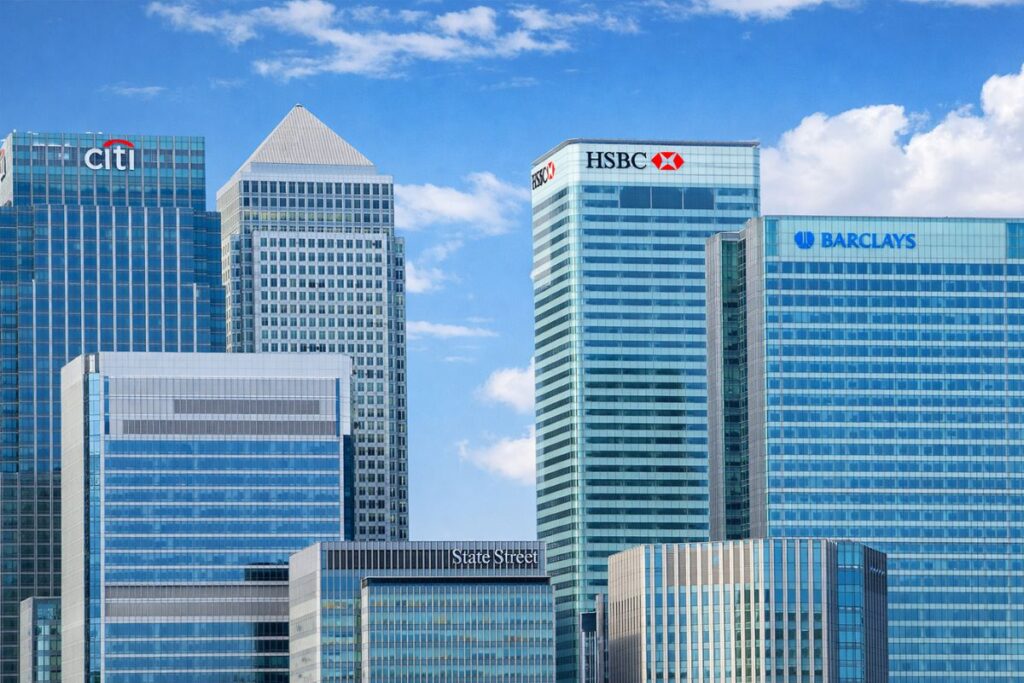
London sits right at the heart of the global financial system, and its market hours don’t just matter locally—they ripple out across the world. When London wakes up, markets tend to wake up with it. This piece takes a closer look at how the timing of London market hours trading sessions shapes liquidity, volatility, and overall market behaviour across the big asset classes. And honestly, once you notice the pattern, it’s hard to unsee.
Why London Market Hours Matter in Global Finance
London is widely seen as one of the world’s heavyweight financial centres. That’s not hype. It’s geography, history, and sheer scale. Positioned neatly between Asia and North America, it acts as a kind of relay station. Asia winds down, the US stretches and gets ready, and London steps into the spotlight. Just like that, it becomes the centre of gravity for global trading.
If you’re exploring trading for beginners, getting your head around London’s market hours is a smart place to start. A lot of the world’s biggest banks, hedge funds, and institutional players are most active during this window. That means deeper liquidity. Tighter spreads. More consistent price action. Compared to the quieter stretches of the day, it can feel like someone suddenly turned the lights on.
The London session runs from 8:00 to 16:30 GMT (or BST during the summer). It’s busy. Forex, equities, commodities, derivatives—you name it. A significant share of global currency turnover flows through London, which makes it especially powerful in forex markets. With so much capital moving around, price swings during these hours often set the tone for what happens next in New York. Sometimes they even echo into the following Asian session. It’s a bit like the first domino tipping over.
The London–Asia Transition: Setting The Tone
When London opens, it overlaps briefly with the tail end of Asian trading. It’s a short window, but it matters. This is often where the mood shifts.
Asian markets usually react to regional data, central bank expectations, and local risk sentiment. That’s their rhythm. Then London logs on, so to speak, and European investors reassess everything. They zoom out. They look at the bigger global picture. If prices moved sharply overnight, London traders might double down on that trend. Or they might push back and reverse it. It depends. Markets can be stubborn—or surprisingly flexible.
This reassessment phase tends to spark volatility, especially right after the London open. Currency pairs involving the euro, pound, and US dollar often see trading volumes jump. You can almost feel the shift in pace. Major indices adjust. Commodities recalibrate. European institutional money starts flowing in, and that changes the texture of the market.
Liquidity builds quickly at this point. Fast. That’s why the London open is often seen as one of the most active, and sometimes unpredictable, parts of the trading day.
The London–New York Overlap: Peak Liquidity
Then comes the overlap between London and New York, roughly from 13:00 to 16:30 GMT. This is the big one. If markets had a rush hour, this would be it.
During this stretch, the two largest financial centres in the world are fully operational at the same time. That overlap drives liquidity to its highest levels across multiple asset classes. Forex markets, especially, hit their stride. European and North American traders execute large orders. Institutions rebalance positions. It’s busy. Really busy.
High liquidity usually means tighter bid-ask spreads and smoother price discovery. In theory, anyway. But let’s be real—it can also mean sharp, sudden moves. Especially when major US economic data drops. Non-farm payrolls. Inflation numbers. Federal Reserve announcements. These releases can jolt the market in seconds, and the effects don’t stay contained. They spill over into global assets almost immediately.
This overlap is also prime time for large institutional orders. When that kind of size hits the tape, trends can accelerate quickly. Or flip without much warning. Blink and you might miss it.
ALSO READ: AI-Augmented Value Investing: Reinterpreting Buffett’s Principles in the Data-Driven Era
Impact On Currency Markets
If there’s one place where London’s influence really stands out, it’s the foreign exchange market. The city processes a huge share of daily global currency trading. That makes it a central hub for price formation. Not just important—essential.
Major pairs like EUR/USD, GBP/USD, and USD/JPY often record their biggest moves during London hours. European data releases land in the morning. Central bank officials speak. Political headlines break. All of it feeds into short-term momentum. Sometimes the moves are orderly. Other times, not so much.
There’s also the steady flow of hedging activity. Multinational corporations and financial institutions manage currency exposure during this session. Those orders add up. The cumulative effect can push prices in clear directions, particularly during the European morning when liquidity is ramping up.
And then there’s London’s role in benchmark settings like the WM/Reuters fix. These reference rates matter for global portfolios. So when they’re set, volumes can spike. It reinforces London’s position at the centre of currency pricing—whether traders consciously think about it or not.
Economic Data And Policy Announcements
Another reason London’s session packs such a punch is the sheer volume of economic data released during European hours. Key UK and eurozone reports are typically published in the morning. That timing isn’t accidental.
Interest rate decisions from the Bank of England or the European Central Bank can move markets fast. Sometimes violently. London-based traders react in real time, and their reactions often set the emotional tone for the rest of the day. If the initial response is strong, that momentum can carry across the Atlantic.
It’s not just formal data, either. Policymakers and international organisations often schedule speeches and announcements during European hours. They know the global audience is paying attention then. With participants from multiple regions active at once, the impact can feel amplified.
Risk Sentiment And Global Market Direction
Maybe the biggest influence of London’s market hours isn’t a single data release or trading spike. It’s sentiment. The overall mood. As the European day begins, investors digest geopolitical headlines, macroeconomic signals, and corporate developments.
If London markets lean into risk-on behaviour—equities climbing, safe-haven assets easing—that optimism often spills into the US session. The baton gets passed. On the flip side, if Europe turns cautious and risk-off dominates, that defensive posture can echo worldwide. It’s interesting how quickly tone travels.
Because London sits right in the middle of global capital flows, its early moves often act as a signal. Traders elsewhere watch closely. Sometimes they follow. Sometimes they fade the move. Either way, London sets the initial tempo more often than not.
ALSO READ: How to Invest in Commercial Real Estate: A Proper Guide for Beginners
Conclusion
London’s market hours do more than fill a slot on the global trading clock. They connect the Asia and North America trading markets. They concentrate liquidity, institutional participation, and major economic events into a powerful daily window. That combination shapes price action in currencies, equities, and commodities around the world.
Understanding the rhythm of the London session—when liquidity surges, when data hits, when overlaps occur—gives traders a clearer sense of why markets move the way they do. It won’t remove uncertainty. Nothing does. But it does make the daily ebb and flow of global finance feel a little less mysterious, and maybe even a bit more manageable.
Sources & References:
- CNBC. (2025, July 21). Should London Stock Exchange trading be open 24 hours?
- Investopedia. (2025, September 5). How global markets and time zones influence 24-hour trading.
- Bloomberg. (2025, October 27). FX Center.
- Investopedia. (2024, October 23). Farley, A. The best times to trade the British Pound (GBP).
- Investopedia. (2024, February 24). Lioudis, N. How global events affect the forex market.
Disclaimer: This article is published solely for informational and educational purposes. It does not constitute financial, investment, legal, or professional advice, nor is it intended to promote any specific institution, service, or product mentioned herein. Readers should conduct their own research or consult a qualified professional before making any financial decisions. The publisher assumes no responsibility for actions taken based on the information provided.





Engaging and insightful content. Looking forward to more posts like this.