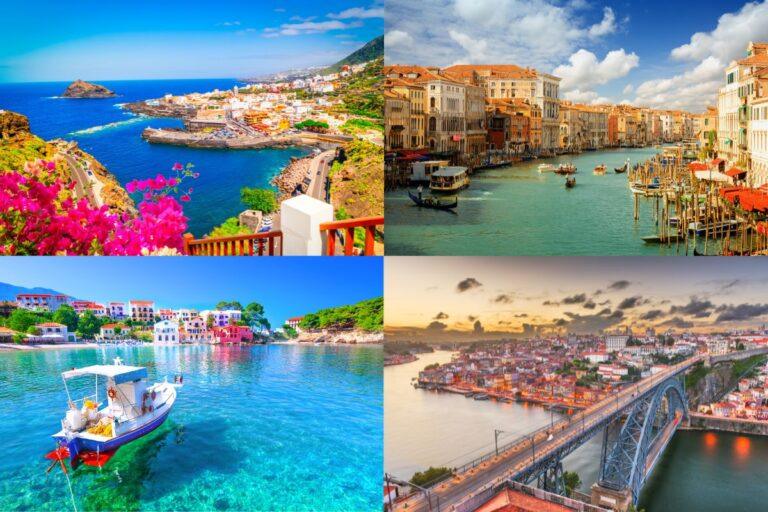
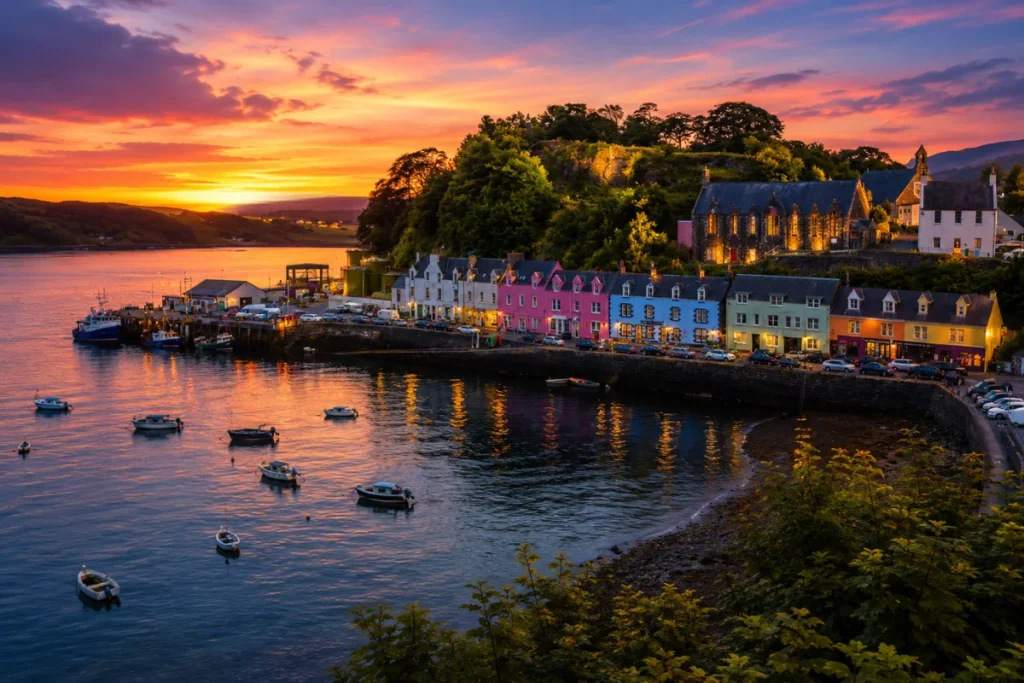
Sea towns in England are vibrant coastal settlements along the coastline that blend natural beauty, maritime history, and local culture. Featuring sandy beaches, historic piers, and dramatic scenery, these diverse destinations represent some of the UK’s most amazing coastal holiday escapes.
Spanning over 2,700 miles of coastline, these locations bring together busy harbours and distinct local charm. Popular spots highlight this diversity: Brighton offers pure culture, St Ives features stunning beaches, Whitby holds deep maritime heritage, and Bamburgh boasts dramatic historic castles.
- Coastal spots range from city hubs to harbour villages.
- Domestic visits generate nearly £6 billion in tourism spend annually.
- Many towns feature historic piers, castles, and landmarks.
- Spring and autumn bring fair weather and lower prices.
- Famous places like Brighton connect well by rail and road.
The Timeless Pull Of The English Coast
Nothing quite beats a trip to the seaside. You get fresh air and crashing waves. Let’s be real, gulls can be noisy. Still, visitors love coming back every year. Coastal communities hold a special place in the British heartland culture. It is just part of our DNA.
VisitEngland reports over 130 million domestic day trips and 15 million overnight stays annually. Together, these trips generate over £13.7 billion for local seaside towns (£5.8 billion from overnight stays alone). ONS figures show 3.5 million people live along these coasts. Oddly enough, coastal living keeps growing in popularity. Real estate demand remains surprisingly steady everywhere.
In St Ives, tourism supports nearly 50% of local jobs, while in Whitby and its surrounding district, visitor spending supports around a quarter of local employment. Summer brings packed promenades and long queues. Yet off-peak months hold plenty of quiet charm. Average overnight stays last about 3.3 nights. That gives folks time to truly unwind.
Coastal holiday parks see massive demand too. Over 17 million UK adults book seaside camping trips. Staycations grew by 22% in recent years. You get great fish and chips along the way. Plus, coastal paths offer over 2,700 miles of hiking trails. It is cheap, fun, and healthy.
ALSO READ: Famous UK Film Locations You Can Visit
Southern Stars: Art, Sunshine, And Classic Piers
The south coast gets England’s sunniest weather. It hosts famous seaside towns with huge personalities. Each spot feels totally unique. You get art, beaches, and classic piers.
Brighton (East Sussex)
London trains reach Brighton in just one hour. It is probably England’s liveliest seaside destination. You get pebbles instead of soft sand. What it lacks in dunes, it gains in sheer character. The energy here is infectious, honestly.
Crowds head to Palace Pier for classic arcade rides. Behind the beach lies the Lanes. This maze of narrow alleys features quirky shops and cafes. Do not miss the Royal Pavilion palace. King George IV built this extravagant 19th-century dome. Its Indian-style architecture looks pretty amazing up close.
Brighton welcomes around 9.5 million visitors every single year. Tourism supports over 15,000 local jobs in town. Hotel bookings surge during summer pride events. It is pricey, but worth every penny.
St Ives (Cornwall)
St Ives sits on the southwestern tip of Cornwall. On sunny days, it feels almost Mediterranean. Famous for unique light, it draws artists continually. Painters have flocked here for over a century.
Porthmeor beach offers clear water for surfing. Cobbled streets line the historic town centre. You will find cosy cottages, art galleries, and seafood places. Tate St Ives overlooks the sea directly. It celebrates Cornwall’s rich artistic history in style.
Cornwall sees over 4 million trip bookings every year. St Ives handles nearly 220,000 stayover guests alone. Parking is nightmare material, let’s be real. Take the coast train instead.
Weymouth (Dorset)
Weymouth sits on the UNESCO Jurassic Coast. It offers a classic British seaside holiday. Fine sand curves along a lovely Georgian seafront. You get sweeping views of blue water.
Shallow bay waters suit families with young kids. Colourful fishing boats dock in the historic harbour. Yachts sit right alongside working trawlers. Grab fresh fish and chips nearby. Watch the town bridge lift for passing tall ships. It feels proper nostalgic.
Southwold (Suffolk)
Southwold on the Suffolk coast offers a refined break. It is famous for colourful beach huts. Some huts sell for over £250,000 now! That sounds totally wild, but buyers pay it. The town maintains a calm, quiet atmosphere.
A working lighthouse stands right among residential houses. The wooden pier features quirky mechanical arcade games. Adnams Brewery operates in the centre of town. So a fresh pint of local ale stays close by. Oddly enough, beer scents float on ocean breezes.
Northern And Eastern Gems: Castles, Fossils, And Maritime Tales
Heading north and east brings wilder scenery. Soaring sea cliffs frame old fishing ports. Historic ruins watch over crashing waves below. It feels rugged and deeply mysterious.
Whitby (North Yorkshire)
Whitby is easily Britain’s most atmospheric harbour town. The River Esk splits the town in two. Gothic Whitby Abbey ruins crown the eastern cliff. Climb the 199 stone steps to reach it. Your legs will burn, trust me.
This dramatic clifftop setting inspired Bram Stoker’s Dracula. Captain Cook learned seamanship in this very port. Today, Whitby draws over 2.5 million annual visitors. People come for Kipper smokehouses and award-winning fish and chips. The portions are huge, honestly.
Bamburgh (Northumberland)
Bamburgh is perfect if you hate crowded arcades. It offers vast sandy beaches and peace. The views here stay locked in memory.
Bamburgh Castle dominates the entire skyline. This fortress sits on a volcanic rock over the sea. Below lies pale sand backed by grassy dunes. Offshore lie the wild Farne Islands. They host over 37,000 pairs of nesting puffins. Grey seals swim along the shoreline daily.
Margate (Kent)
Margate was once a traditional Victorian resort. It underwent a huge creative revival recently. Artists moved down from London in droves.
The Turner Contemporary gallery sparked a cultural boom. Vintage shops line the Old Town streets. You will find hipster cafes and seafood bars. Dreamland park brings nostalgic seaside fun back. It houses the UK’s oldest wooden roller coaster. Built in 1920, it still rides fast!
ALSO READ: Why Everyone Is Suddenly Talking About Detourism In The UK
Comparing Popular English Coastal Towns
| Town | Region | Standout Feature | Best For |
|---|---|---|---|
| Brighton | South East | Palace Pier & The Lanes | Culture, dining, and city breaks |
| St Ives | South West | Tate St Ives & sandy coves | Art, surfing, and scenic views |
| Whitby | Yorkshire | Gothic Abbey & 199 Steps | History, literature, and seafood |
| Weymouth | South West | Jurassic Coast & shallow bay | Family beach holidays |
| Southwold | East of England | Beach huts & Adnams Brewery | Peaceful walks and heritage charm |
| Bamburgh | North East | Bamburgh Castle & sweeping dunes | Unspoilt scenery and history |
| Margate | South East | Turner Gallery & Dreamland | Vintage shopping and nostalgia |
Table Source: VisitEngland Regional Tourism Intelligence & ONS Coastal Data.
Practical Tips For Planning Your Visit
Timing your seaside trip makes a huge difference. July and August bring warm summer weather. However, popular coastal towns get completely packed. Parking becomes an absolute nightmare, frankly.
Visiting in May, June, or September works best. The weather stays pleasant most days. Crowds thin out, and room rates drop. You actually get space to walk.
Transport options vary by region. Brighton, Weymouth, and Margate have direct trains from London. Over 65% of UK coast visitors travel by car. Remote spots like Bamburgh require driving. Check tide charts before exploring beach caves. Getting trapped by tides ruins any afternoon.
FAQs
Q1. Which Are The Most Beautiful Sea Towns In England?
St Ives and Bamburgh win beauty contests regularly. St Ives features clear turquoise waters. Bamburgh boasts a massive castle above white sand. Both places look like postcard scenes.
Q2. Which Coastal Town Is Closest To London For A Day Trip?
Southend-on-Sea and Brighton are the fastest choices. Direct trains from London take under one hour. You can leave central London after breakfast. You will touch the ocean before noon.
Q3. What Is The Best Sea Town In England For Families?
Weymouth in Dorset is unbeatable for families. It has a broad sandy beach. Water stays shallow and calm for young kids. Traditional seafront amusements keep everyone entertained all day.
Q4. Are English Coastal Towns Worth Visiting Outside Of Summer?
Yes, off-peak coastal visits are deeply rewarding. Autumn brings crisp beach walks and quiet streets. Cosy pubs feature open log fires. Winter storms create dramatic sea views. Plus, hotel prices drop significantly.
Q5. What Is The Average Cost Of A Day Trip To The English Coast?
VisitEngland figures show an average spend of £47 per person. This covers local travel, food, and seaside snacks. Overnight stay averages run closer to £210 per couple. Planning ahead helps keep budget costs down.
Sources & References
- VisitEngland. (2026, June). Domestic coastal tourism trends: Day trips, overnight stays, and regional visitor spending. VisitEngland Tourism Intelligence Report.
- Office for National Statistics. (2026, April). Coastal communities population and employment statistics. ONS Regional Data Bulletin.
- Wikipedia. (2026). Seaside resorts in England.
- Cornwall Council. (2025, November). Tourism impact assessment: St Ives visitor economy and employment share. Cornwall Council Research Report.
- Northumberland County Council. (2025, September). Bamburgh Castle and coastal tourism development strategy. Local Authority Heritage & Tourism Report.
Disclaimer: This article is strictly for informational and educational purposes only and is not intended for commercial promotion or endorsement of any destination or service. Travel schedules, prices, and availability are subject to change. Readers should independently verify all facts, guidelines, and logistics with official sources and seek professional advice prior to making travel decisions.