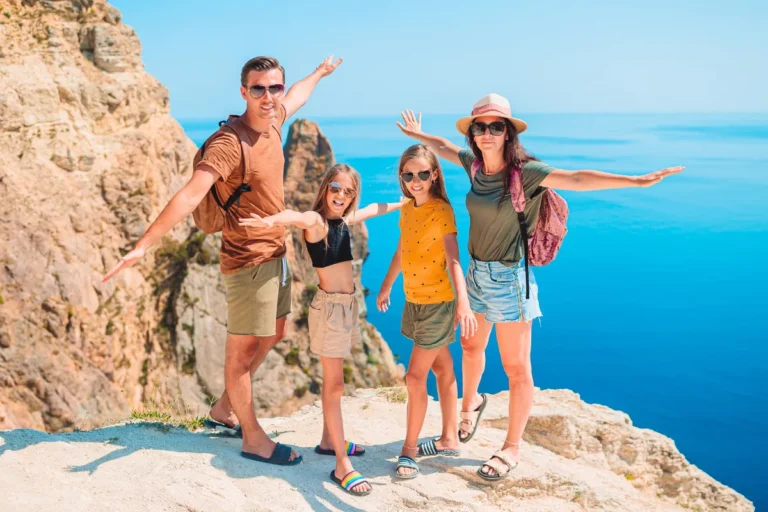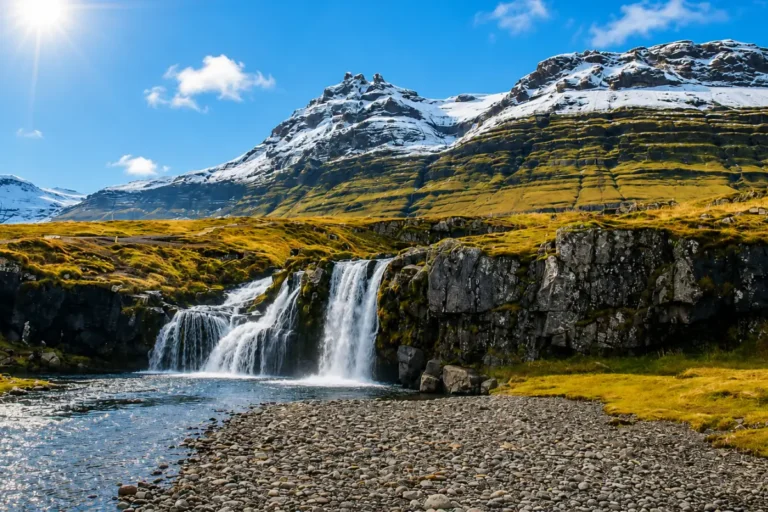
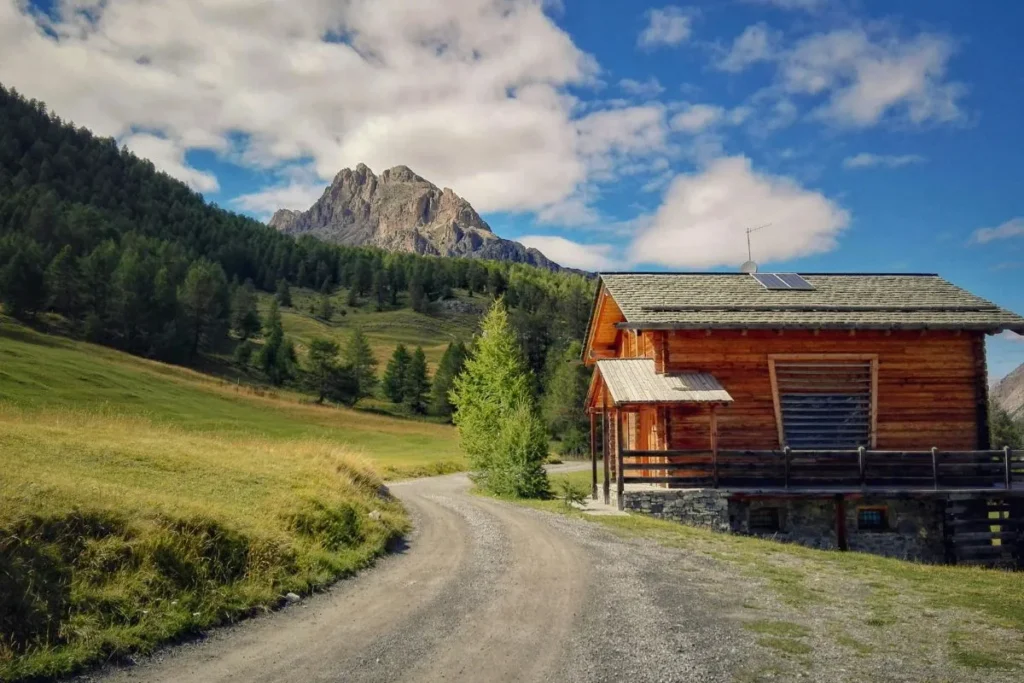
‘Detourism’ is a travel trend in which tourists turn down congested tourist places and go to undiscovered ones. In the UK, tourists are following this trend to enjoy trips and gain more authentic experiences.
Key Points
- Detourism is focused on peaceful and remote destinations
- The trend is growing because people are tired of overtourism
- Travellers prefer meaningful trips
- Small towns and local businesses benefit from detourism
- Social media has helped and harmed the detourism
What Is Detourism In Simple Words?
For years, travel was all about ticking places from your bucket list.
In general, people visit London to take a photo at Tower Bridge. Stand in long lines for hours to see some famous landmarks. Post it online. Repeat it somewhere else next weekend.
But lately, people are tired of travelling like that. And this is the point where detourism becomes relevant.
According to Thrive Global, ‘detourism’ is basically the idea of moving away from highly visited tourist spots and choosing places that are less crowded.
People Are Burnt Out By Overcrowded Tourism
Many travellers have reached this shared conclusion: popular tourist spots are hectic.
You spend half the day in never-ending queues just to find out that tickets are expensive. Even if you managed to buy it, most of the experience is a blink of an eye. You can barely enjoy the moment, as there are hundreds of people around you.
It frustrates people but they don’t show it to others. And for years, this feeling grows inside you.
The pandemic was a time when everyone had the chance to rethink.
An article by POP talks about this change. It talked about how people became more aware of their impact on the environment and started appreciating small experiences more.
That mindset hasn’t really disappeared.
ALSO READ: Discover Why The UK Countryside Is The Perfect Escape From City Life
Travellers Want Trips That Actually Feel Personal
One of the primary reasons the idea of ‘detourism’ is growing is that people want to travel to feel their true selves and connect with nature.
There’s a key difference between going to a place and experiencing it. More travellers are realising that now.
People are short on time, so they want to visit five cities in one week, but they should just go to one place and stay there longer.
It’s less about showing people where you went and more about enjoying where you are.
That’s also why “slow travel” has become closely connected to detourism. The whole concept is to travel with less tension and more curiosity.
Small Towns Are Getting Attention
Detourism is a boon for remote areas in the UK.
Tourism money mostly stays in major cities and hotspots. Now, small towns and local businesses are getting eyeballs too.
Independent cafes, local markets, hotels, bookshops, pubs, and artists in small towns can make a living from ‘detourism’. And for travellers who believe in detourism, these places are much better.
Research shared through the President’s Medals at the University of Edinburgh found that tourism shapes the way people view destinations. Detourism challenges the idea that only famous places are worth visiting.
This is exactly the appeal of a small mountain town like Pai in Thailand, where cafés and waterfalls draw travellers looking for something quieter than Bangkok or Chiang Mai. Sometimes the places nobody talks about end up being the ones you remember most.
ALSO READ: The Travel Hack That Makes Late Arrivals Feel Effortless
Social Media Helps & Creates The Problem
Ironically, social media is one of the reasons detourism exists.
Apps like Instagram and TikTok have shown people how they should travel. But it also has a negative impact. Suddenly, everyone wants the same experience. Once a remote place goes viral on social media, it will not remain a remote place for long.
Travel writer James Asquith wrote in Forbes that travel content became more about perfect images than real experiences. And honestly, you can see it everywhere.
People spend more time filming trips than actually enjoying them. Detourism is the opposite of it. You cut yourself from the busy world.
How Should Responsible Detourism Be?
It’s actually pretty simple. Support the local people. Respect their culture and tradition to learn about them. Don’t pollute the environment. Don’t post everything online.
It works best when travellers approach places with curiosity instead of entitlement. That’s really the whole point of it.
ALSO READ: How UK Holiday Habits Have Changed in the Recent Years
Why Detourism Matters Now
It is a trend in travel, but seeing it only as a trend will prevent you from understanding its true meaning.
When an individual has travelled to various nations, gone to crazy places, and faced social media pressure, at the end, he/she only wants one thing: peace.
Writers at Bidoun once described detourism as finding “new and productive ways of getting lost.” And maybe that’s why the idea connects with so many people right now.
Sometimes, the best trips happen when you stop following others without thinking.
Sources and References
- Thrive Global. (2026). What does detourism mean?
- POP Inquirer. (2026). Detourism: Can the past years’ lessons help us become better tourists?
- President’s Medals. (2026). Detourism research – University of Edinburgh entry.
- Bidoun. (2026). Detourism: The new and productive way of getting lost.
Disclaimer: This article is intended solely for informational and educational purposes. The content does not promote, advertise, or endorse any travel destination, service, platform, or individual. Readers are advised to conduct their own research and exercise personal judgment before making any travel-related decisions. The information provided may change over time and should not be considered professional travel advice.