
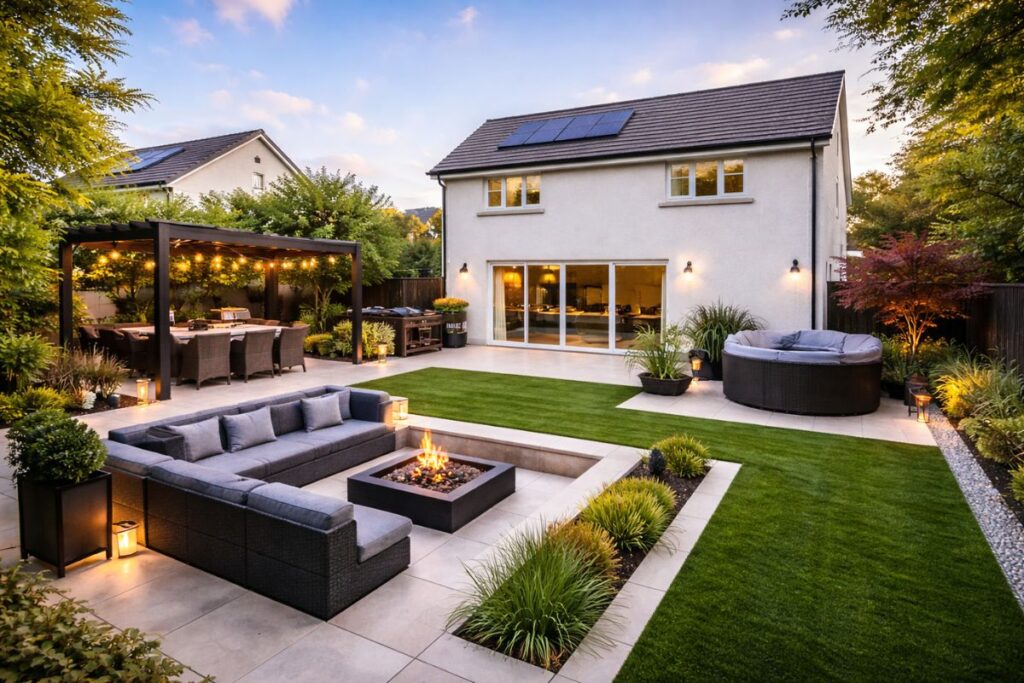
The Cotswolds are dead. Honestly, if I see one more photo of a celebrity in a pristine Barbour jacket leaning against a manicured stone wall in Chipping Norton, I might scream. It’s become a posh theme park. A gilded cage for people who want to look “country” without ever actually getting mud on their boots. But things are shifting. By March 2026, the global elite have finally realised that the South West is too crowded, too “Instagrammable”, and frankly, a bit boring.
Now, there’s a new mood taking over. It’s dark. It’s brooding. And everyone’s calling it the Heathcliff effect.
Forget the sun-soaked valleys and organic farm stores. The super-rich are now searching for something far more primal. We’re talking about jagged peaks in the North, mist-shrouded valleys in Wales and an isolation that’ll make your skin shiver for all the best reasons. They’re abandoning the “farm-to-fork” fantasy for a Gothic nightmare. They want crumbling stone turrets and gargoyles that have seen better centuries and thousands of acres of moorland where the only neighbour is the wind.
The Royal Lead and the “Fort” Vibe
The whole thing went into overdrive when news broke about the Royals. Word on the street—and in several reports about Prince William and Catherine—is that they’ve set their sights on Fort Belvedere. It’s this massive 18th-century Gothic Revival mansion tucked away in a “hidden corner” of Windsor Great Park. It isn’t a cosy cottage. It’s a fortress.
This move really signalled the end of the “polished” era. When the future King and Queen opt for a place with that much history and “Gothic” edge, the rest of the high-society pack follows suit. It’s about “The Fort” aesthetic. Being unreachable. Being tucked away in a corner of history where a drone pilot couldn’t find you if they tried.
ALSO READ: Is UK and Great Britain the Same? Many Get It Wrong
The Great Cotswold Exodus
So, why now? Here’s the thing. The South of England has become a bit of a fishbowl. Established names like Kate Moss and Ellie Goulding are reportedly looking much further afield—up toward the Lake District and deep into the Scottish Highlands. They’re trying to escape the commercialisation. When your “private” retreat is five minutes away from a tourist-clogged deli selling £12 sourdough, it’s not a retreat anymore. It’s a suburb with better grass.
The Heathcliff effect is a reaction to that. It’s a craving for the Brontë-esque. Buyers are actively hunting for Grade II-listed Jacobean masterpieces. A recent piece in The Gentleman’s Journal on 2026’s dream houses pointed out something wild: while normal house prices are a bit flat, these Gothic “money pits” are seeing massive bidding wars.
People are dropping £10 million on estates like Chedington Court just for the atmosphere. For the ghosts. For the sheer, moody drama of it all.
The HeathCliff Effect: Why 2026 Celebrities are Buying ‘Gothic’ Farmland in the UK
Look, it isn’t all about the vibes. There’s always a practical side when this much money is moving around. The taxman. We’ve got these massive April 2026 Inheritance Tax (IHT) reforms looming over everyone like a dark cloud.
Buying up “Gothic” farmland isn’t just a style choice; it’s a brilliant way to restructure an estate before the new rules kick in. It’s the ultimate “rich person” move—looking like a tortured soul from a 19th-century novel while actually being very sensible with your portfolio.
And then you’ve got the agritourism boom. The UK market for this is expected to hit about £685 million by 2030. These celebs aren’t just sitting in their draughty halls shivering. They’re building “Gothic Farmstays”.
We’re talking ultra-luxe, off-grid spas where the walls are three feet thick and the WiFi is non-existent. Unique Homestays recently flagged “radical remoteness” as the biggest luxury trend of 2026.
Places like The Black Cabin are booked out months in advance because they offer “beauty in bareness”. People want to feel isolated. They want to feel the moor.
The Architecture of Being Unfindable
What makes a property fit the Heathcliff effect? It’s simple. If it looks like it could be haunted, it’s in. Pointed arches, stone gargoyles, and turrets. But more importantly, it has to be functionally “off-grid”.
In 2026, privacy is the hardest thing to buy. If you’re a Hollywood A-lister, you want a place where the terrain is so jagged that drones can’t get a steady signal. Savills’ latest Farmland Market Outlook shows a 12% drop in available acreage, making these rugged, “un-farmable” spots incredibly valuable. They’re buying the silence. They’re buying the mist.
Take a look at spots like Doyden Castle or Castle of Park. These aren’t just homes. They’re statements of intent. They say, “I’m done with the noise. I’m done with the city. I’m going to go sit in a stone tower and watch the rain.”
ALSO READ: What Is A Deed Of Variation Property? Key Mistakes You Can Avoid
The Bitter End of the Instagram Era
Frankly, it feels so refreshing in a way. We’ve spent 10 years making everything look light, bright and “minimalist”. The Gothic Revival is the polar opposite of all that. It’s heavy. It’s dark. It’s slightly uncomfortable. And in 2026, that’s just what the people want. They’re turning their backs on the plastic world in favour of something, literally, set in stone.
So, yeah. The Cotswolds may have its celebrity chefs and its boutique farm shops. The real players? They’re up on the moors, listening to wind howl against the turrets and checking their tax-exempt status. It’s a little weird, a little moody and very British.
In any case, would you take up residence here if the closest store is a twelve-mile slog through mud? Or does the concept of a “Gothic retreat” sound better in theory than in practice?
FAQ: Everything You Need to Know
Q1. What is the ‘Heathcliff effect’ exactly?
It’s the 2026 trend of celebrities purchasing sequestered, Gothic-style estates in the north of the UK, abandoning “busy” spots like the Cotswolds.
Q2. Why is Gothic architecture popular again?
Because it provides an idea of permanence and “radical remoteness”. It’s also more difficult to film or surveil, offering the ultimate privacy for high-profile owners.
Q3. Is it really about tax?
Partly, yes. Farmland is a key asset for managing Inheritance Tax (IHT) liabilities, especially with the 2026 reforms coming into play.
Q4. Where is the “Gothic” heart of the UK?
Yorkshire, the Lake District, the peaks of North Wales, and the Scottish Highlands are the current hotspots for these “Heathcliff” buyers.
Sources & References
- The Royal Move: Prince William and Catherine’s Gothic Mansion – Homes & Gardens (2026).
- Luxury Property News: 5 dream country houses on the market in 2026 – The Gentleman’s Journal.
- Market Trends: Savills: The Farmland Market – 2026 Outlook – Savills UK.
- Travel Insights: 8 luxury travel trends shaping 2026 – Unique Homestays.
- Castle Stays: Best fairytale castle stays in the UK – Great British Life.
Disclaimer: This article is provided for informational and general knowledge purposes only. The content does not constitute professional, financial, or investment advice, nor is it intended to promote any property, location, or service mentioned. Readers should independently verify information and consult relevant professionals before making decisions based on this content.




The content is well structured and flows smoothly. It kept me interested from start to finish.