
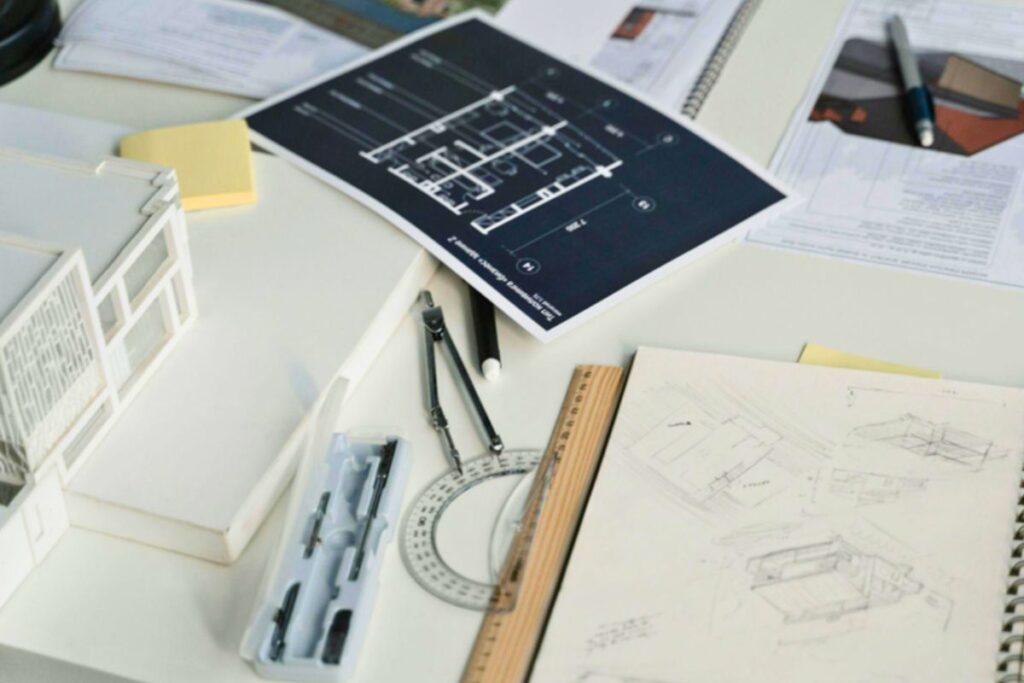
Construction projects are about a lot more than drawings pinned to a wall or crews working on site. There’s construction planning involved. Coordination too. Budgets to watch, people to manage, endless communication, and—honestly—constant oversight from the very beginning right through to the finish. When all those moving parts are handled properly, things usually stay organised and the final result actually matches what the client hoped for. When they aren’t handled well… well, things can unravel pretty quickly. Delays creep in. Confusion spreads. Costs start inching upward. It happens more often than people like to admit.
That’s one of the big reasons many clients choose to bring in construction consultants in London. Their job, essentially, is to steady the ship. They help teams coordinate better, keep spending under control, and guide the whole process so it runs a little clearer—and, ideally, a lot more efficiently.
Early Input Creates Better Direction
Oddly enough, the fate of a construction project is often decided before a single shovel hits the ground. Early-stage decisions carry real weight. They shape how the design works. They influence procurement. They affect budgets and timelines too. If those early choices are rushed—or just vague—the consequences tend to linger throughout the project. And yeah, that can become messy later on.
This is where construction consultants usually step in and bring some order to the early chaos. They help organise planning discussions. They review what the project realistically needs. Sometimes they ask uncomfortable questions—useful ones, though. Bit by bit, they help define what actually matters for the scheme. The result? The client walks away with a clearer sense of direction before the project grows complicated, which, let’s be real, it eventually will.
That early input really does matter. It removes a lot of the guesswork. Projects that start with clearer planning foundations tend to run more smoothly later on. Once design teams and contractors get involved, there’s already a roadmap in place. Not perfect, of course—nothing ever is—but definitely steadier.
ALSO READ: What is the Average Cost to Decorate a Room: My Budget Reality Check
Coordination Helps Teams Work Better
A construction project usually brings together a surprisingly large group of people. Architects. Engineers. Surveyors. Contractors. Suppliers. Sometimes even more specialists depending on the scale of the job. Each person focuses on their own area, which makes sense. But here’s the tricky part—their work has to connect properly. Otherwise things start slipping out of sync.
Consultants often become the glue holding those pieces together. They organise communication. They clarify who’s responsible for what. They make sure important decisions actually reach everyone who needs to hear them. Sounds simple, right? In reality, it’s surprisingly easy for teams to drift apart. Without coordination, misunderstandings pop up. Work gets duplicated. Designs clash. And fixing those problems later can get expensive fast.
Good coordination does more than tidy up meetings. It changes how the project functions day to day. People know where they stand. Information flows more freely. Small disruptions get caught earlier. It’s not glamorous work, but it keeps the wider team moving in the same direction.
Cost Control Supports Better Decisions
Let’s talk about budgets for a moment. Cost pressure shows up in almost every construction project. Materials fluctuate. Market conditions shift. Designs evolve. Procurement can get tricky. Even minor delays sometimes push expenses higher than expected. Without someone watching carefully, projects can quietly drift away from their financial targets.
Consultants help keep those financial signals visible. They review proposals as they appear. They assess potential risks. They track cost-related decisions as the project develops. None of this is about micromanaging every pound. It’s about making sure the client understands the financial impact of choices before they’re locked in.
And here’s the thing—good cost control isn’t about cutting corners. Not really. It’s about balance. Spending money where it matters. Protecting quality while keeping the project financially realistic. When resources are managed sensibly, the project stays aligned with its goals. That’s the sweet spot everyone aims for.
ALSO READ: The Value of Flexible Heavy Equipment Solutions For Construction
Consultants Help Manage Programme Risk
Time is another big piece of the puzzle. Construction schedules can be tight. Sometimes extremely tight. A delay in one area often spills into others. Suddenly contractors are reshuffling work. Procurement teams scramble to adjust orders. Clients start asking questions. Pressure builds quickly.
This is where consultants can make a difference. They keep an eye on the programme as a whole. They track progress. They spot emerging issues early—sometimes before anyone else notices. When problems appear, they help the team respond in time. Their perspective connects the schedule to real-world factors like design progress, procurement timelines, and on-site conditions.
That approach makes the schedule far more useful. Instead of being just a document sitting somewhere in the background, it becomes a living management tool. And honestly, projects benefit a lot from that kind of active attention.
Clear Oversight Improves Accountability
Construction projects tend to perform better when someone maintains clear oversight. People need to understand responsibilities. Progress needs to be tracked. Without that structure, things can drift. Sometimes quietly.
Consultants often help maintain that structure. They keep reporting organised. They ensure that tasks and responsibilities are clearly understood. This doesn’t mean turning every decision into a rigid rulebook. Not at all. It simply means making sure key information—progress updates, risks, costs, upcoming actions—remains visible to the people who need to see it.
When issues are documented properly, the team can react sooner. Small problems get addressed before they grow into bigger ones. Clients benefit from this transparency too. Instead of piecing together scattered updates, they receive clearer insights about how the project is actually progressing.
ALSO READ: Online Visibility, Offline Results – How Ranking Higher Drives Real Estate Success
Problem Solving Becomes More Effective
No construction project travels from start to finish without hitting a few bumps along the way. Sometimes the site reveals unexpected constraints. Sometimes designs evolve mid-process. Procurement delays show up. Trades struggle to coordinate. It happens. Honestly, it’s almost expected.
The real difference between a project that runs well and one that struggles often comes down to problem solving. Consultants bring a wider view when challenges appear. They can identify where pressure is building. They can point out who needs to be involved in solving it. And they often understand which solutions are actually practical—rather than just theoretical.
Because they work across multiple parts of the project, they sometimes spot connections others miss. That broader perspective helps avoid rushed decisions. A thoughtful response—taken at the right time—usually leads to far better outcomes than scrambling after a problem has already escalated.
Smoother Delivery Benefits Everyone
When coordination improves, budgets stay under control, and schedules are actively managed, the entire project tends to move more smoothly. That might sound obvious. Still, it makes a real difference.
A smoother working environment helps everyone involved. Designers can focus on their work. Contractors can plan properly. Suppliers understand expectations. Even communication becomes easier. The tension that often builds on struggling projects simply has less room to grow.
That kind of environment can improve relationships across the whole team. It reduces confusion. It limits friction. And yes, it usually has a positive impact on quality, timing, and cost as well. Consultant involvement often plays a role here by adding structure where things might otherwise become scattered.
ALSO READ: How to Set Up a Micro-Warehouse in Your UK Garage: Step-by-Step Guide
Better Outcomes Come From Better Management
At the end of the day, construction consultants help clients navigate complexity. They bring insight to planning. They support stronger coordination between teams. They keep financial awareness front and centre. And they help guide the delivery process so it stays steady from start to finish.
Of course, successful projects still depend on good people and sound decisions at every stage. Consultants don’t replace that. What they do is create the conditions where those decisions can happen more clearly—and often more confidently. When a project is managed well, the results tend to speak for themselves. The client benefits. The project team benefits. And ultimately, so does the building’s final user.
Sources & References
Modus Construction Consultants. (2026, January 13). What’s affecting construction costs in 2026, and what you can control.
- Rider Levett Bucknall (RLB). (2026, Q1). London construction market intelligence report. RLB UK Edition.
- Royal Institution of Chartered Surveyors (RICS). (2026, Q1). UK construction market survey: London and South East trends. RICS.
- Chartered Institute of Building (CIOB). (2025). The value of construction consultants in project delivery. CIOB Insights Report.
Building Magazine. (2025). London construction consultancy: Managing risk, cost, and coordination.
Disclaimer: This article is provided for informational and educational purposes only. It does not constitute professional, financial, or construction advice, nor is it intended to promote any specific company or service. Readers should conduct their own research or consult qualified professionals before making project or business decisions. The information presented may not apply to every situation and should be used at the reader’s discretion.