
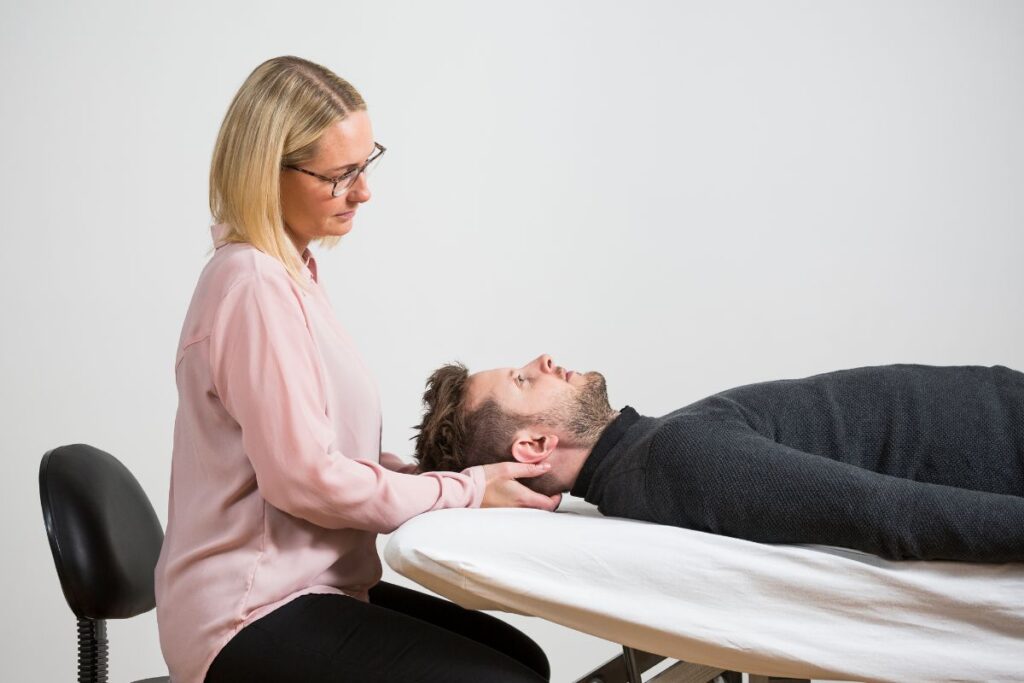
Residents of Fulham now have a new option when it comes to osteopathic care. Osteonordic—one of Europe’s largest osteopathy networks—has opened a clinic in the area. For locals, that’s kind of a big deal. It adds something fresh to the neighbourhood’s healthcare landscape. The clinic focuses on helping people deal with a variety of musculoskeletal issues. Things like persistent back pain, stiff joints, or those annoying aches that never quite go away. And honestly, having specialised care nearby? That can make a real difference.
Osteopathy itself is a hands-on approach to healthcare. It’s guided by evidence, but it’s also very practical. Practitioners look at problems involving muscles, joints, and connective tissues. Instead of just chasing symptoms, they try to figure out what’s actually causing the discomfort. That’s the idea, anyway. The goal is to improve mobility, ease pain, and support long-term health. A skilled osteopath in Fulham will usually shape each session around the individual. They’ll consider things like lifestyle, medical history, and specific physical concerns. In other words, treatment isn’t one-size-fits-all. Not even close.
Understanding Osteopathic Treatment
Osteopathic care usually starts with an assessment. A fairly thorough one, actually. Practitioners may examine posture. They’ll watch how a patient moves. Sometimes they’ll also review imaging or diagnostic tests if those are available. From there, they develop a treatment plan. One that’s tailored to the patient’s situation. Nothing overly rigid—more like a roadmap that can change as treatment progresses.
Osteopaths rely on several techniques during treatment. Some are quite direct. Others are surprisingly gentle.
- Soft tissue manipulation: This technique focuses on muscles, ligaments, and fascia. The aim is to release tension. It can also improve circulation in the affected areas.
- Joint mobilisation and adjustments: Restricted joints are carefully moved or adjusted. This helps restore movement. Pain often decreases once proper motion returns.
- Cranial osteopathy: A much gentler approach. It’s commonly used for infants, children, or patients who prefer lighter techniques. The focus is on subtle structural imbalances.
- Exercise prescription and self-care guidance: Patients are often given exercises to perform at home. Small daily habits can support recovery. They can also prevent future problems.
These techniques may be used together. Or individually. It really depends on the patient. Evidence-based practice plays a central role in osteopathy today. Practitioners—including those working with Osteonordic—regularly update their skills. They attend professional training. They stay involved with clinical development. It’s a field that keeps evolving, whether people realise it or not.
ALSO READ: Mistakes Climbers Make When Training Grip Strength
Who Can Benefit From Osteopathy?
Osteopathy can help people at nearly any stage of life. Infants, adults, older individuals—it’s surprisingly broad in scope. Patients seek osteopathic care for many reasons. Some are dealing with chronic pain. Others simply want better movement and fewer physical restrictions.
- Chronic back, neck, or shoulder pain
- Sports injuries or posture-related strain
- Joint stiffness or reduced mobility
- Repetitive strain injuries from work or lifestyle habits
- Musculoskeletal discomfort linked to pregnancy
In many cases, osteopathy works alongside other healthcare approaches. Physiotherapy, medical treatments, structured exercise programmes—they often complement each other. When combined thoughtfully, they can form a more complete approach to musculoskeletal health. Not perfect, of course, but certainly helpful.
Integrating Osteopathy Into Daily Life
Education is a big part of osteopathy. Honestly, maybe bigger than people expect. Practitioners often spend time explaining posture. They discuss ergonomics. They talk about everyday habits that influence physical health. Small changes—sometimes really small ones—can make a difference.
Take something like a workstation setup. Adjusting desk height or monitor position can reduce strain on the neck and shoulders. Daily stretching routines help too. Nothing complicated. Just consistent movement. Osteopaths may also give advice on nutrition, exercise habits, and stress management. After all, lifestyle factors are deeply connected to physical well-being. It’s all intertwined, whether we notice it or not.
The Fulham clinic places strong emphasis on these educational elements. They plan to offer workshops and consultations for residents. The idea is simple. Help people understand their bodies better. Encourage them to take an active role in their own care. The approach isn’t entirely new either. The team has done something similar like they did in Reykjavik. Community engagement matters to them. Awareness and prevention matter too.
Evidence-based Practice In Osteopathy
Research into osteopathy has grown quite a bit in recent years. More attention is being paid to how effective osteopathic techniques actually are. That’s encouraging, to be honest. A 2025 overview of systematic reviews published in the Journal of Bodywork and Movement Therapies looked at 27 previous reviews. These reviews covered several health conditions. The findings suggested moderate-quality evidence that osteopathic treatment can help reduce pain and partially improve physical function. This was especially noticeable in adults dealing with acute neck pain, chronic non-specific low back pain, and even back pain during pregnancy.
Some research has focused on more specific problems. Headaches, for instance. Particularly those linked to musculoskeletal dysfunction. A 2025 systematic review and meta-analysis analysing 18 randomised controlled trials explored this area. The results showed that combinations of osteopathic manipulative techniques were associated with reductions in headache severity. Frequency decreased too. Some patients even reported improvements in overall quality of life. That’s not insignificant.
Of course, research is ongoing. More studies are still needed. But the current findings suggest osteopathic approaches may help support the management of certain musculoskeletal conditions. It’s a promising direction, even if there’s more to learn.
ALSO READ: How Long Until a Tooth Infection Kills You? Warning Signs You Should Never Ignore
Accessibility And Patient-centred Care
The Fulham clinic has been designed with accessibility in mind. Patient comfort is a priority. Treatment rooms include modern therapeutic equipment. Appointment times are flexible. Early mornings and evening slots are available. That matters for people with busy schedules. Let’s be real—most people aren’t free at midday.
Patients can visit a qualified osteopath in Fulham for a single session. Or they can follow a structured care plan for ongoing conditions. It depends on their needs and goals. Some people want quick relief. Others are looking for longer-term support.
Community involvement is also a focus for the clinic. The team works with local sports clubs. They collaborate with wellness centres and public health initiatives. These partnerships encourage broader engagement with osteopathic care. For a limited time, free screening sessions are available for new patients. It’s a way for residents to experience osteopathy firsthand. Sometimes people just need that first introduction.
The Role Of Osteonordic
Osteonordic operates with a fairly clear philosophy. High-quality osteopathic care should combine expertise, education, and evidence-based practice. Across Europe, the organisation has become known for its focus on professional development. Practitioners continue training throughout their careers. They stay updated on emerging techniques. At the same time, they still rely on established methods that have proven effective over time.
The Fulham clinic follows the same approach. Patient-centred care remains the priority. Long-term outcomes matter more than quick fixes. By focusing on both symptoms and underlying causes, the team works to improve mobility and reduce pain. Ideally, patients experience a better quality of life. That’s the aim, anyway.
Osteopathy is gradually gaining recognition as part of preventative and therapeutic healthcare. The new Fulham clinic seems well-positioned to contribute to that shift. Plans are already underway to expand services. Future programmes may include prenatal and postnatal care. There are also ideas for gentle therapies tailored to older adults. Collaboration with local fitness centres is being explored too. A more complete wellness approach, you could say.
For residents in the area, expert osteopathic care is now easier to access. Treatments are available locally. Guidance is available too. The clinic emphasises education, evidence-informed methods, and community involvement. In many ways, it reflects Osteonordic’s broader commitment—helping patients move better, feel better, and maintain lasting musculoskeletal health.
Sources & References
Osteonordic. (2026). Osteonordic opens new Fulham clinic: Expanding osteopathic care in London.
Fulham Local News. (2026, February). New osteopathy clinic launches in Fulham. Fulham Local.
Journal of Bodywork and Movement Therapies. (2025). Systematic review of osteopathic treatment effectiveness across musculoskeletal conditions. Elsevier.
PubMed. (2025). Systematic review and meta-analysis: Osteopathic manipulative treatment for headache management. National Library of Medicine.
National Health Service (NHS). (2024). Osteopathy: What it is and how it works. NHS.
Disclaimer: This article is intended solely for informational and educational purposes. It does not constitute medical advice, diagnosis, or treatment recommendations. Readers should consult qualified healthcare professionals for personalised medical guidance. The content is not intended to promote any specific service, clinic, or healthcare provider.