London is changing fast. Walk down any street. You see retro coats everywhere. More folks want pre-owned gear. Vintage craftsmanship just feels special. To be fair, it has genuine character.
Fast fashion dominates every high street. But let’s be real. Nobody wants to look identical anymore. Buying pre-loved items is booming across the UK. It shows a real shift toward sustainability. Plus, individual flair matters. Mass-produced goods get boring fast.
Repurposing goes way beyond old clothes. It touches homes, decor, and daily gear. Oddly enough, it feels like a quiet revolution. Here is a close look at top pre-owned finds. And why Londoners love them so much.
Why More People Are Reusing Goods
The British Heart Foundation did a study last year. They found four in five Britons shop second-hand each month. That is nearly eighty percent of the population! So, reuse is mainstream in the UK. It is not a tiny niche anymore. You know, buying pre-owned just makes total sense.
Older stuff was built to last. Tailors used durable cloth back in the day. Solid timber was standard for wooden furniture. Fast fashion causes massive environmental harm worldwide. Buying older items saves serious money too. You get premium quality for much less cash. Check out your local charity shop. You might find genuine designer gems hiding there.
People want objects with a real backstory. Identical flat-pack furniture lacks personality. We want our living spaces to feel distinctive. An old oak desk carries decades of history. Modern factory alternatives cannot match that charm. It just feels good owning historic items.
ALSO READ: Minimalist Desk Setup Ideas: How Ryan London Brings Warmth to Technology
The numbers behind re-commerce tell a powerful story. Recent UK retail data shows huge growth in pre-owned markets. Millions of shoppers choose second-hand goods each month. Here is a clear breakdown of current UK second-hand statistics.
Statistic / CategoryUK Data MetricMarket Impact
| Statistic / Category | UK Data Metric | Market Impact |
|---|---|---|
| Monthly Second-Hand Shoppers | 80% of UK Adults | Mainstream consumer shift |
| UK Re-Commerce Valuation | Over £6.5 Billion | Rapid retail sector expansion |
| Gen Z & Millennial Engagement | 65% Buy Pre-Owned Apparel | Strong youth trend leadership |
| Annual Textile Waste Saved | 300,000 Tonnes Diverted | Major environmental benefit |
Table Source: Compiled from WRAP (Waste & Resources Action Programme) and Retail Economics UK Re-Commerce Reports.
These figures highlight a massive shift in consumer habits. Re-commerce expands faster than traditional retail right now. People save money while protecting the environment. Sustainability is no longer just a trend. It is a smart way of living.
Vintage Beyond The Wardrobe
Clothes were just the start for vintage lovers. Fast consumerism affects every product category. Mass production delivers identical items nonstop. Cheap products often lack durability. Replacing broken stuff over and over gets frustrating.
Choosing vintage means rejecting throwaway habits. You buy durable goods built to last. A mid-century teak desk remains sturdy for decades. An analogue film camera holds timeless appeal. Selecting older items cuts daily waste. You keep physical items that hold deep meaning.
Younger shoppers lead this thoughtful buying movement. They prioritise quality over impulse purchases. Instead of buying cheap goods, they save up. They invest in items that stay attractive for years. Salvage yards and antique shops see huge demand. Specialist online marketplaces thrive. People of all ages enjoy finding unique treasures.
Home Décor And Everyday Objects
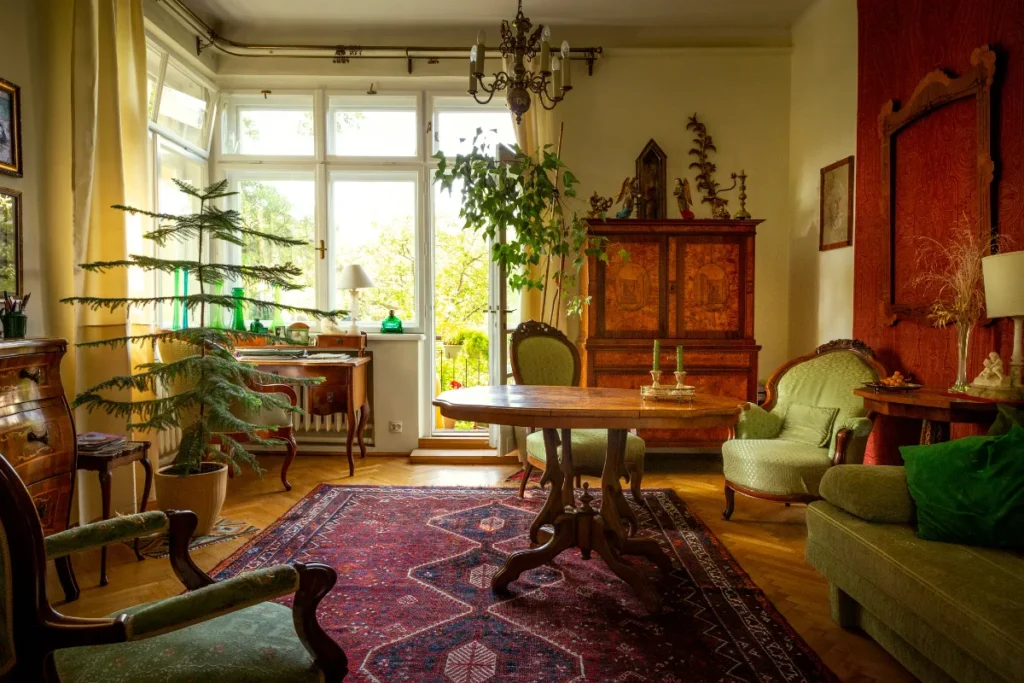
Londoners are turning away from flat-pack furniture. They want living spaces with distinct character. Mass-produced furniture feels generic and bland. Custom vintage pieces transform boring rooms.
You can find gorgeous teak sideboards. Search for Victorian botanical prints or ceramic tableware. Visit Sunbury Antiques Market at Kempton Park on weekends. Or browse curated digital platforms like Vinterior. Amazing hidden gems wait in every corner.
Try mixing pieces from contrasting eras. Do not worry about matching every single item. Pair a bold 1970s chrome lamp with modern sofas. It creates a stylish contrast in your living room. You keep one foot in the past and one in the present.
Vintage shopping encourages true interior design creativity. Forget buying complete matching room sets from big stores. Assemble your home collection over time instead. Combine inherited family items with local market finds. This approach creates authentic spaces. Your home reflects your real personal taste, not temporary trends.
Collectibles And Accessories
Collectors search for well-maintained vintage jewellery. They want classic leather bags and timeless watches. Fine horological engineering never goes out of fashion. Investing in classic watch brands brings great long-term value. Second-hand Omega watches, for example, are the ideal choice for collectors. Buyers value enduring horological heritage over temporary market hype.
The true appeal of collectables extends beyond visual beauty. Buyers love researching historical origins, manufacturers, and past owners. This adds a rich narrative dimension to every purchase. Everyday objects become fascinating conversation pieces. You can pass these treasured keepsakes down to future generations.
The Social And Cultural Impact
This appetite for historic goods reshapes local community interactions. Pop-up fairs transform boring shopping routines into fun social events. Neighbourhood markets like Hackney Flea gather vibrant crowds every weekend. You meet independent local dealers and chat with neighbours. It builds genuine human connection across London boroughs.
Want to get involved in your local area? Follow community market boards online. Plan a monthly market trip with your friends. You will support hard-working independent traders in your borough. Plus, hunting for vintage items is genuinely fun.
ALSO READ: Kitchens with Pendant Lighting: Why It Works and How to Get It Right
Vintage As A Lifestyle Choice
Choosing pre-owned items protects historic craftsmanship from disappearing. You create a personal home style that no shop shelf replicates. Start small this coming weekend. Replace one mass-produced item with a vintage piece. You will notice the difference right away.
London’s passion for vintage reflects changing modern consumer values. People look for quality, longevity, and individual style. Pre-owned items provide a practical way to reduce household waste. You build a distinctive lifestyle while supporting sustainable living.
This market will keep growing across the capital city. Local markets, traders, and online platforms play a vital role. They help residents discover unique historical treasures every single day. The pre-loved movement is here to stay.
Sources & References
- Waste & Resources Action Programme (WRAP). (2026, May). UK re‑commerce and textile reuse: Market valuation and waste diversion. WRAP Sustainability Report.
- British Heart Foundation. (2026, March). Second‑hand shopping habits in the UK: Four in five adults buy pre‑owned monthly. BHF Research Insight.
- Retail Economics. (2026, February). UK re‑commerce market report: Growth trends and consumer engagement. Retail Economics Industry Report.
- Wikipedia. (2026). Charity shop. In Wikipedia.
- University of Leeds. (2024). Circular fashion and consumer behaviour: A UK perspective. Leeds School of Design Research Paper.
Disclaimer: The information provided in this article is intended strictly for general educational and informational purposes only. It does not constitute commercial endorsement, financial advice, or formal marketing of any specific products, brands, or retailers mentioned. Readers should perform their own research and exercise personal judgment before making any purchasing decisions.