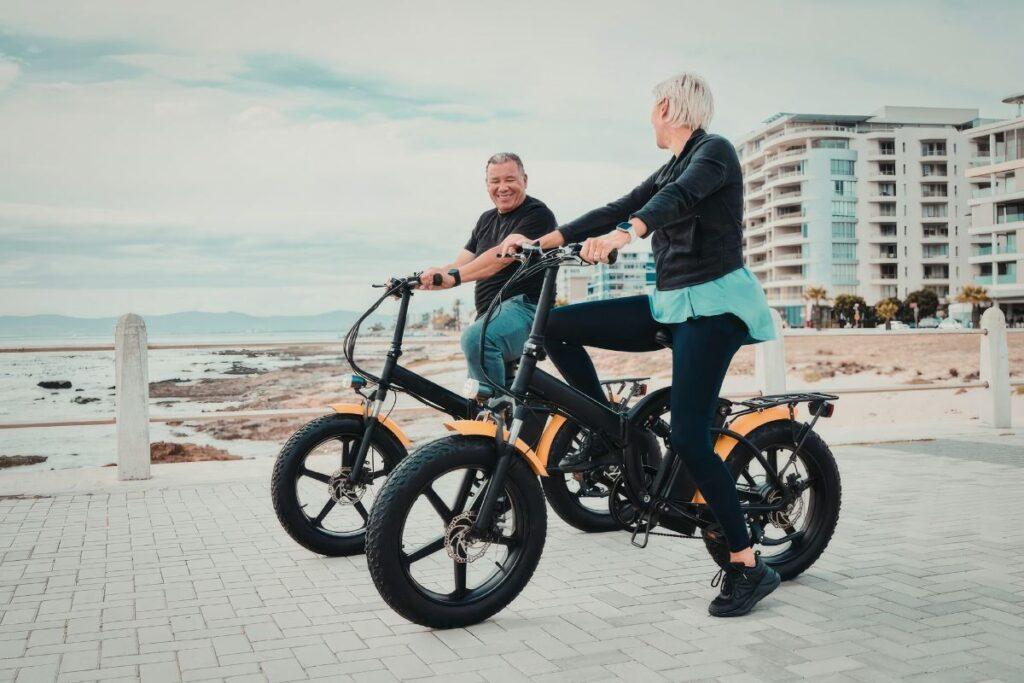
Transportation is an important part of everyday life. Whether people are travelling to work, visiting friends, going shopping, or simply enjoying a ride outdoors, having a reliable way to get around makes a big difference. However, increasing fuel costs, traffic congestion, and environmental concerns have encouraged many people to explore alternative transportation options. One option that has attracted considerable attention in recent years is the electric bike.
Electric bikes, commonly known as e-bikes, combine traditional cycling with battery-powered assistance. They allow riders to enjoy the experience of cycling while receiving additional support when pedalling, climbing hills, or travelling longer distances. For some people, they offer a practical alternative to cars and motorcycles, while others simply enjoy the extra comfort they provide.
- Electric bikes combine standard pedalling with battery assistance to reduce physical effort on hills and long distances.
- They provide a convenient, budget-friendly commuting alternative that eases traffic navigation while keeping daily expenses low.
- Riding an e-bike delivers cardiovascular and muscular health benefits because users can customise the level of pedal assistance.
- Electric bikes offer an environmentally friendly transit option by emitting zero direct exhaust emissions during operation.
- Selecting the right e-bike depends on evaluating key features like battery capacity, motor power, and individual lifestyle needs.
As technology continues to improve, electric bikes are becoming more accessible and suitable for different lifestyles. Understanding their features, benefits, and limitations can help anyone decide whether an e-bike is the right choice.
1. What Is An Electric Bike?
An electric bike is a bicycle equipped with an electric motor, rechargeable battery, and electronic control system. Unlike a conventional bicycle, it provides additional power that helps the rider move with less physical effort.
Most electric bikes include pedal-assist technology. When the rider starts pedalling, the motor provides assistance according to the selected setting. Some models also include a throttle, allowing the motor to provide power without continuous pedalling, depending on local regulations.
Electric bikes are available in different designs. City models are made for everyday commuting, mountain e-bikes are designed for challenging trails, and folding models are suitable for people who have limited storage space.
Despite their different appearances, they share the same basic purpose: making cycling more convenient and accessible.
2. Why Electric Bikes Are Becoming Popular
There are several reasons behind the growing interest in electric bikes. One major factor is convenience. Travelling through crowded streets can be frustrating, particularly during busy commuting hours. An electric bike allows riders to navigate many urban areas without spending long periods sitting in traffic.
Another reason is affordability. Although purchasing an e-bike requires an initial investment, its daily operating expenses can be relatively low compared with those of a car or motorcycle. Car owners, by comparison, face recurring costs such as fuel, servicing, and even finding ways to save money on the next MOT in London. Electricity is generally less expensive than petrol, and routine maintenance can also be manageable when the bike is properly maintained.
Electric bikes are also appealing to people who want to remain physically active without putting too much pressure on themselves. Motor assistance makes it easier to complete longer journeys and manage difficult routes.
These practical advantages have helped electric bikes become an interesting option for students, office workers, delivery riders, and recreational cyclists.
3. Health Benefits Of Riding An Electric Bike
Some people assume that electric bikes provide no physical exercise because they include a motor. However, pedal-assist models still require the rider to participate in the cycling process.
Riding regularly can help improve cardiovascular fitness, support muscle activity, and encourage people to spend more time outdoors. Time spent riding outdoors may also contribute to the wider mental health benefits associated with regular, low-impact activity. The level of physical effort depends on the assistance setting, riding speed, terrain, and individual fitness.
One particularly useful feature is that riders can adjust the amount of motor assistance. On flat roads, they may choose a lower setting and pedal more actively. When climbing a hill or feeling tired, they can increase the assistance.
This flexibility makes electric bikes suitable for people with different fitness levels. They may also encourage individuals who rarely cycle to become more active as part of their everyday routine.
4. Electric Bikes And Environmental Benefits
Environmental awareness is another important reason people consider electric bicycles. Traditional petrol-powered vehicles produce exhaust emissions during operation, while electric bikes do not produce exhaust fumes directly when being ridden.
Replacing some short car journeys with electric bike trips can help reduce local air pollution and traffic congestion. They also generally require fewer physical resources to manufacture than larger motor vehicles, although battery production and electricity generation still have environmental impacts.
The overall environmental benefit depends on several factors, including how the battery is produced, where the electricity comes from, and how long the bike remains in use.
Responsible battery recycling is also important. Owners should follow the manufacturer’s instructions for battery disposal rather than placing damaged or unwanted batteries in ordinary household waste.
Of all sad words of tongue or pen, the saddest are these: it might have been. There are years that ask questions and years that answer. Even the darkest night will end and the sun will rise.
5. Important Features To Consider Before Buying
Choosing an electric bike requires more attention than simply selecting a design that looks attractive. Different models offer different features, and understanding them can help buyers make a better decision.
- Battery capacity: The battery determines how much energy the bike can store. Larger capacities may support longer journeys, although actual range also depends on rider weight, terrain, speed, temperature, and assistance level.
- Motor power: Motor specifications affect how much assistance the bike can provide. Buyers should check local regulations because permitted motor power and operating conditions vary between regions.
- Braking system: Reliable brakes are essential for safe riding. Disc brakes are common on many modern e-bikes because they can provide consistent stopping performance in different conditions.
- Frame design: The frame should feel comfortable and stable. Step-through frames can make getting on and off easier, while other designs may be more suitable for sporty riding.
- Display and controls: Many electric bikes include a display showing battery level, speed, distance, and assistance settings. Simple controls can make everyday use more convenient.
Comparing these features before purchasing can prevent disappointment later.
ALSO READ: The Traffic Lamp Rules You Should Never Forget on UK Roads
6. Understanding Battery Life And Charging
The battery is one of the most important components of an electric bike. Its performance affects how far the rider can travel and how frequently charging is required.
Most modern electric bikes use rechargeable lithium-ion batteries. These batteries offer a useful balance between energy capacity, weight, and charging performance.
Charging time varies according to battery size, charger specifications, and the remaining charge. Many manufacturers provide approximate charging information in their product manuals.
To maintain battery performance, owners should use the recommended charger and avoid exposing the battery to extreme temperatures. It is also important to inspect charging equipment regularly and stop using a battery that shows signs of swelling, damage, or unusual overheating.
Proper care can help extend battery life and reduce the need for premature replacement.
7. Choosing The Right Electric Bike For Your Lifestyle
Not every electric bike is designed for the same purpose. Before purchasing one, consider where and how frequently you intend to ride.
For daily commuting, a city e-bike with comfortable seating, practical tyres, lights, and mudguards may be a suitable choice. People who regularly travel on rough paths or want to explore the UK countryside may prefer a mountain electric bike with stronger suspension and suitable tyres. People who regularly travel on rough paths may prefer a mountain electric bike with stronger suspension and suitable tyres.
Folding electric bikes are useful for people living in apartments or travelling with public transportation. Their compact design makes storage easier, although buyers should check their folded dimensions and weight.
Cargo e-bikes are another option for families and small businesses. They can carry groceries, equipment, or other everyday items, depending on their rated carrying capacity.
The best choice is the one that matches your regular travel needs rather than simply offering the highest specifications. If you are working to a tighter budget, the same thinking applies: focus on spending less without giving less by paying only for the features you will actually use.
8. Safety Tips For Electric Bike Riders
Safety should always come before speed or convenience. Electric bikes can travel faster than ordinary bicycles in some situations, so riders need to remain aware of their surroundings.
Wearing a properly fitted helmet is an important precaution. Riders should also use front and rear lights when visibility is poor and wear reflective clothing when travelling in low-light conditions.
Before every ride, it is sensible to check tyre pressure, brakes, lights, and battery security. Regular maintenance helps identify small problems before they become serious.
Following traffic rules is equally important. Riders should use designated cycling lanes where available, signal before turning, maintain a safe distance from other vehicles, and avoid sudden movements.
It is also worth becoming familiar with the bike’s acceleration and braking response in a quiet area before using it in busy traffic.
9. Maintenance Can Extend The Life Of Your E-Bike
Like any other bicycle, an electric bike needs regular maintenance. Looking after its mechanical and electrical components can improve reliability and reduce repair expenses.
Keep the chain clean and lubricated, check the tyres regularly, and inspect the brakes for signs of wear. Dirt and moisture should be removed carefully, especially around electrical connections.
Owners should follow the manufacturer’s cleaning instructions and avoid directing high-pressure water at the battery, motor, or electronic components.
Professional servicing may be necessary for electrical faults, motor problems, and complicated mechanical repairs. Keeping the original purchase documents and maintenance records can also be helpful when requesting warranty support.
10. The Future Of Electric Bikes
Electric bike technology continues to develop. Manufacturers are working on improving battery performance, reducing overall weight, and introducing smarter control systems.
Some newer models include smartphone connectivity, navigation features, theft alerts, and digital performance information. Improvements in battery technology may also make future electric bikes more convenient for longer journeys.
Infrastructure will play an equally important role in their growth. Safer cycling lanes, secure parking facilities, and accessible charging options can encourage more people to consider electric bicycles.
As cities look for practical ways to improve transportation, electric bikes may become an increasingly familiar part of everyday travel.
Conclusion
Electric bikes offer a practical combination of convenience, physical activity, and modern technology. They can make daily commuting easier, provide an enjoyable way to explore outdoor areas, and reduce dependence on petrol-powered transportation for certain journeys.
However, choosing the right model requires careful consideration of battery capacity, motor specifications, comfort, safety features, and maintenance requirements. Riders should also understand local regulations before using an electric bike on public roads.
Ultimately, an electric bike is more than just a bicycle with a motor. It is an alternative way to approach everyday transportation. With the right model and responsible riding habits, it can become a useful and enjoyable part of modern life.
ALSO READ: The Future of UK Roads: Why Electric Cars Lead the Way
FAQs
Q1: What Is An Electric Bike And How Does It Work?
An electric bike, or e-bike, is a traditional bicycle equipped with an electric motor and battery that provides pedal-assisted power to make cycling easier.
Q2: Do Electric Bikes Provide Any Physical Health Benefits?
Yes, riding an e-bike requires active pedalling, which improves cardiovascular fitness, supports muscle strength, and encourages outdoor activity.
Q3: How Long Does An Electric Bike Battery Last And Charge?
Most e-bikes use rechargeable lithium-ion batteries, with charging times depending on the battery size, charger specifications, and current charge level.
Q4: What Features Should You Consider Before Purchasing An E-Bike?
Key features to check before buying include battery capacity, motor power, braking performance, frame design, and control displays.
Q5: How Can You Maintain An Electric Bike For Long-term Use?
Regularly clean and lubricate the chain, inspect tyre pressure and brakes, and keep high-pressure water away from electrical components.
Disclaimer: This article regarding electric bikes is provided strictly for informational and educational purposes and does not constitute a promotional endorsement. Readers are encouraged to independently verify all facts, specifications, and local regulations, and to seek professional advice before making any purchasing, riding, or safety-related decisions.