
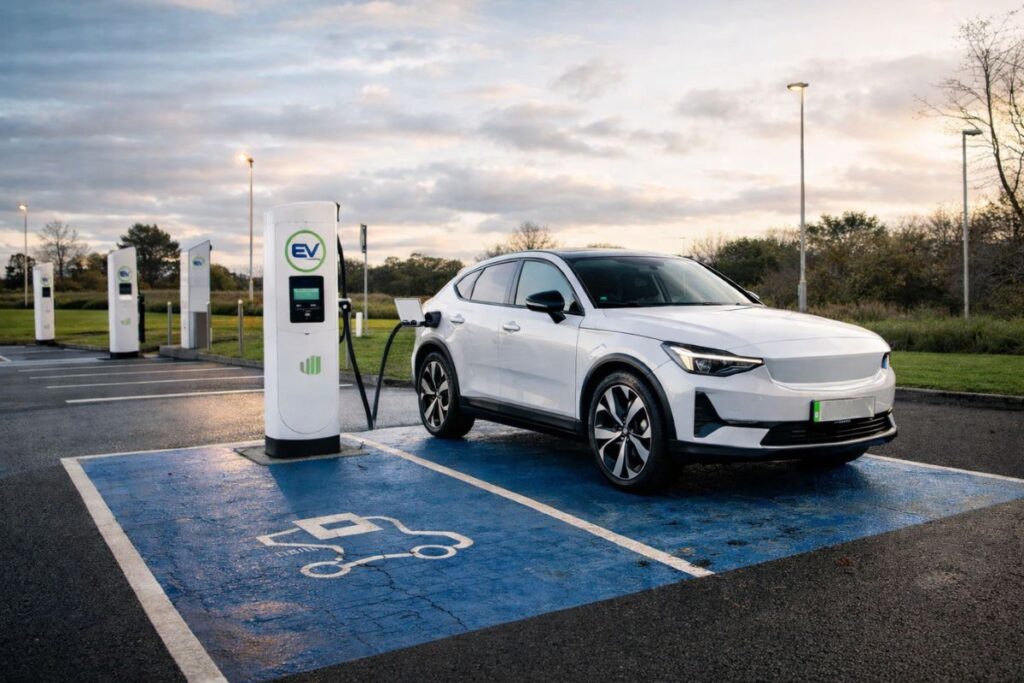
Electric cars are popping up everywhere across the UK now. You can’t really miss them. More drivers are hunting for cleaner options, and let’s be honest, cheaper ones too, when it comes to getting around. Interest keeps climbing as public charging becomes easier to find, and ownership feels less intimidating than it used to. Flexible schemes are playing a big role here, making EVs far more reachable than before (Department for Transport, 2024). It’s no longer some distant idea. It’s already happening.
This shift points to something bigger. People want transport they can rely on, without wrecking the planet or draining their bank accounts. Fair enough. Keep reading, because there are some genuinely solid reasons electric cars look set to shape the future of UK roads.
Electric Cars Lower Running Costs in the Long Term
Electric cars usually cost less to run, and that’s a huge part of their appeal. Electricity is generally cheaper than petrol or diesel, and EVs have far fewer moving parts under the bonnet. That means less maintenance. Less hassle. For drivers, this translates into steadier, more predictable costs and fewer financial shocks compared with traditional vehicles (Energy Saving Trust, 2024).
Salary sacrifice schemes from providers like EZOO add another layer of savings. They use pre-tax income to lower monthly payments, which sounds technical but feels very real when the numbers land. New and used electric cars suddenly feel attainable for people who may not have considered them before (EZOO, 2024).
The savings stretch into everyday use as well. EV drivers avoid unpredictable fuel price spikes and often benefit from bundled packages that include servicing and breakdown cover. That kind of predictability matters. It lets people plan ahead and sidestep those surprise expenses that always seem to show up uninvited.
ALSO READ: What Car Modifications Are Illegal in the UK? – A Detailed Guide
Cleaner Air Improves Local Quality of Life
Electric cars produce no tailpipe emissions, which makes a noticeable difference in towns and cities. Air feels cleaner. Streets feel calmer. Many areas across the UK still struggle with pollution, and EV adoption helps reduce exposure to harmful particles linked to respiratory and cardiovascular conditions (Royal College of Physicians, 2016). As more drivers switch, local authorities gain stronger evidence that low-emission travel actually works, not just in theory.
Cleaner air benefits everyone. Healthier environments ease pressure on local health services and contribute to more pleasant places to live. It’s not dramatic or flashy, but it adds up over time.
Growing EV Infrastructure Makes Travel Simpler
Charging infrastructure across the UK keeps expanding, largely thanks to sustained public and private investment (Department for Transport, 2024). Motorway service stations now offer rapid chargers that make long-distance travel realistic, not stressful. Home charging adds even more convenience. Many owners simply plug in overnight and start the next day with a full battery. It’s surprisingly satisfying.
Workplace charging is growing too, which is a bigger deal than it sounds. It gives commuters a consistent and affordable way to travel and helps erase early worries about range. Together, these developments make EV ownership feel practical for everyday life, not like a compromise.
ALSO READ: How Much Does an F1 Race Car Cost in 2025?
Government Support Boosts Confidence in EV Adoption
UK government policy clearly supports the move towards electric transport as part of wider sustainability goals. Low Benefit-in-Kind rates for electric cars are particularly attractive to businesses looking to update their fleets without increasing costs (UK Government, 2024). Employers can offer cleaner vehicles while keeping budgets in check, which, frankly, helps adoption move faster.
Grants for home and workplace charge points also play a key role. By reducing installation costs, these schemes encourage households and businesses to prepare for electric travel and remove one of the biggest early barriers (Office for Zero Emission Vehicles, 2024).
Wrapping Up
Electric cars are gaining serious momentum across the UK. Lower running costs help. Cleaner travel helps even more. They fit modern routines better than many people expected. Charging networks keep expanding, and government backing hasn’t faded. Each year, the switch feels less like a leap of faith.
As adoption grows, electric cars will continue guiding the UK towards a dependable, low-emission transport system. Drivers benefit. Communities benefit. And, honestly, that feels like progress worth sticking with.
References
- Department for Transport (2024) Electric vehicle charging device statistics: UK. (Retrieved: 9 January 2026).
- Energy Saving Trust (2024) Electric vehicles: costs, charging and savings. (Retrieved: 9 January 2026).
- EZOO (2024) Electric car salary sacrifice schemes in the UK. (Retrieved: 9 January 2026).
- Office for Zero Emission Vehicles (2024) Government grants for electric vehicles and chargepoints. (Retrieved: 9 January 2026).
- Royal College of Physicians (2016) Every breath we take: the lifelong impact of air pollution. London: RCP.
- UK Government (2024) Company car tax: Benefit-in-Kind rates. (Retrieved: 9 January 2026).
Disclaimer: This article is intended for informational purposes only. It does not constitute promotional content, advertising, or endorsement of any specific product, service, company, or provider mentioned. The information presented is based on general trends and publicly available knowledge and should not be considered financial, commercial, or purchasing advice. Readers are encouraged to conduct their own research and seek independent professional guidance before making any decisions related to electric vehicles or associated services.




Write more, that’s all I have to say. Literally, it seems as though you relied on the article to make your point. You definitely know what you’re talking about, you gave us something informative to read.