
The industrial world is changing fast, and gas welding and cutting are changing right along with it. If you work in heavy fabrication, pipeline construction, or precision metalwork, you’ve probably noticed it yourself. Equipment that barely changed for decades is now evolving much faster. Things are moving quickly. Keeping up with these changes matters. It helps you stay competitive, cut down on downtime, and work more safely on the job.
Smarter Equipment And Precision Control
When you pick up a torch today, you’re already using equipment that’s far more advanced than what previous generations had. That’s pretty remarkable when you think about it. Still, the next wave of gas welding and cutting tools is expected to go even further. Manufacturers are refining regulators, torches, and cutting attachments with tighter tolerances. They’re also using stronger materials.
The result is longer service life and less wasted gas. Victor welding and cutting products have earned a strong reputation for reliability over the years. That reputation isn’t standing still. If anything, the bar keeps getting higher. Better metallurgy and improved ergonomic designs are finding their way into nearly every component you handle.
Pressure regulators are becoming more responsive and more consistent. That means you can fine-tune flame characteristics with less effort. You won’t need to make constant adjustments as often. Cutting attachments are improving too. New orifice designs help create cleaner cuts. They also reduce dross buildup. That’s good news because it means less cleanup afterwards and better fit-up before the next weld. Small improvements, sure, but they add up quickly.
ALSO READ: Cory Hein: The Mining Engineer Driving New Innovative Work Ideas
The Role Of Automation And Hybrid Systems
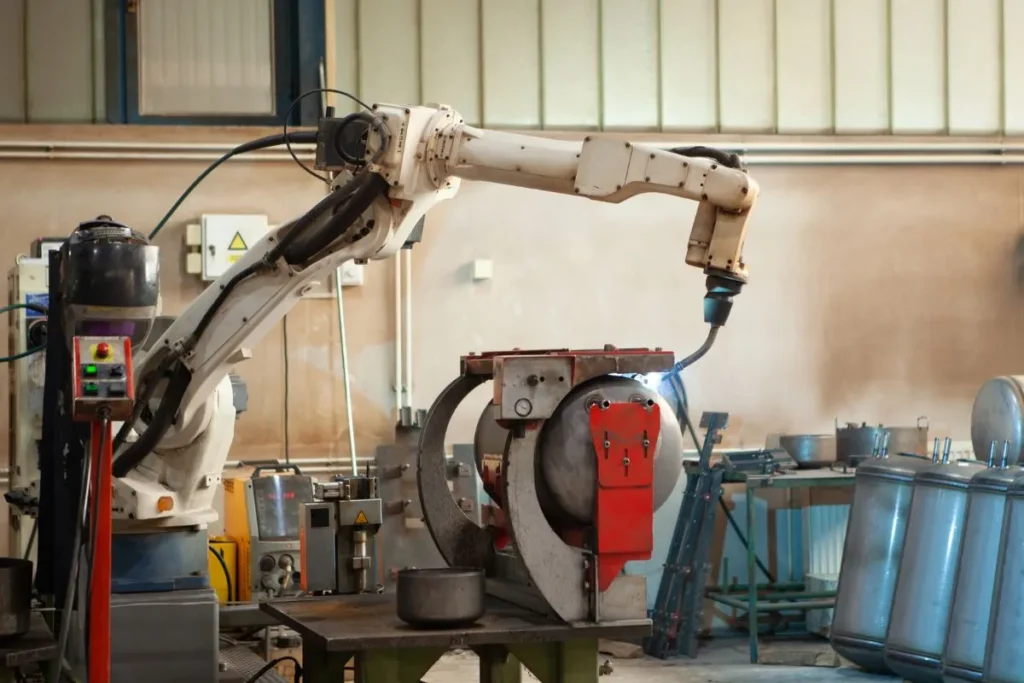
A lot of people wonder if automation will eventually make traditional gas processes less relevant. It’s a fair question. The answer, though, isn’t quite that simple. Automated systems are expanding the capabilities of gas cutting rather than replacing them outright. CNC oxyfuel machines, robotic torch carriers, and programmable multi-torch systems are becoming more common across the industry.
In large-scale plate cutting and structural steel operations, these technologies are already part of everyday work. Chances are, you’re either working alongside them now or preparing to do so. Human expertise still matters. The machines may handle execution, but skilled operators guide the process.
Research published by the American Welding Society continues to highlight the value of gas-based processes. Portability remains a major advantage. Lower equipment costs help too. On construction sites, in repair shops, and during field work, expensive infrastructure isn’t always practical.
Plasma and laser systems certainly have their place, but they aren’t always the best fit. Gas cutting still delivers dependable performance where flexibility matters most. Because of that, the equipment you buy today will likely remain useful for many years ahead.
Fuel Gas Innovation And Environmental Considerations
The fuel side of gas systems is evolving as well. Acetylene has been the go-to choice for generations. That’s unlikely to be forgotten anytime soon. Still, alternative fuel gases are gaining momentum. Propylene, propane, and hydrogen blends are showing up more often in industrial environments. These options can offer several advantages. Some provide easier storage. Others improve safety.
In certain situations, they can even reduce operating costs. Hydrogen-oxygen cutting has attracted particular attention lately. Oddly enough, one reason is environmental performance. The process produces water vapour as its combustion byproduct, which aligns with broader industrial efforts to reduce emissions.
The Occupational Safety and Health Administration has long influenced how fuel gases are stored, handled, and used in the workplace. As newer fuel options become more common, regulations will continue to evolve. That’s just part of the process. Staying up to date with OSHA guidance will remain important for safe operation. Learning about alternative fuels now can give you an advantage later. It helps you stay prepared before regulatory changes become widespread requirements.
ALSO READ: How AI Simplifies Backup Management in Complex IT Infrastructures
Staying Ahead In A Changing Trade
The future of gas welding and cutting isn’t really about becoming obsolete. It’s more about refinement. The core skills you’ve built over time still matter. Reading a flame. Controlling a cut. Understanding how materials behave under heat. Those abilities remain valuable, maybe more than ever.
What’s changing is the equipment that supports those skills. Tools are becoming smarter. They’re getting cleaner and more efficient too. And let’s be real, those improvements reward precision. Staying informed helps. Investing in quality equipment helps too. Industry training remains worth your time. Keep learning, stay adaptable, and you’ll be ready for whatever direction the technology takes next.
Sources & References
- American Welding Society Research Report. (2026, April). Future of gas welding and cutting: Automation, hybrid systems, and operator skills.
- Victor Welding & Cutting Technical Bulletin. (2026, March). Advances in regulators, torches, and cutting attachments.
- Occupational Safety and Health Administration Guidance. (2025, December). Fuel gas safety standards and evolving workplace regulations.
- Industrial Gas News. (2025, November). Hydrogen‑oxygen cutting and environmental performance in fabrication industries.
- Fabricator Magazine. (2025, September). Automation in oxyfuel cutting: CNC and robotic systems in modern fabrication.
Disclaimer: This article is provided solely for informational and educational purposes. The information presented does not constitute professional, technical, safety, or regulatory advice, nor should it be interpreted as an endorsement, promotion, or recommendation of any products, services, organisations, or brands mentioned. Readers should consult qualified professionals and official regulatory sources before making operational, purchasing, or compliance-related decisions.