
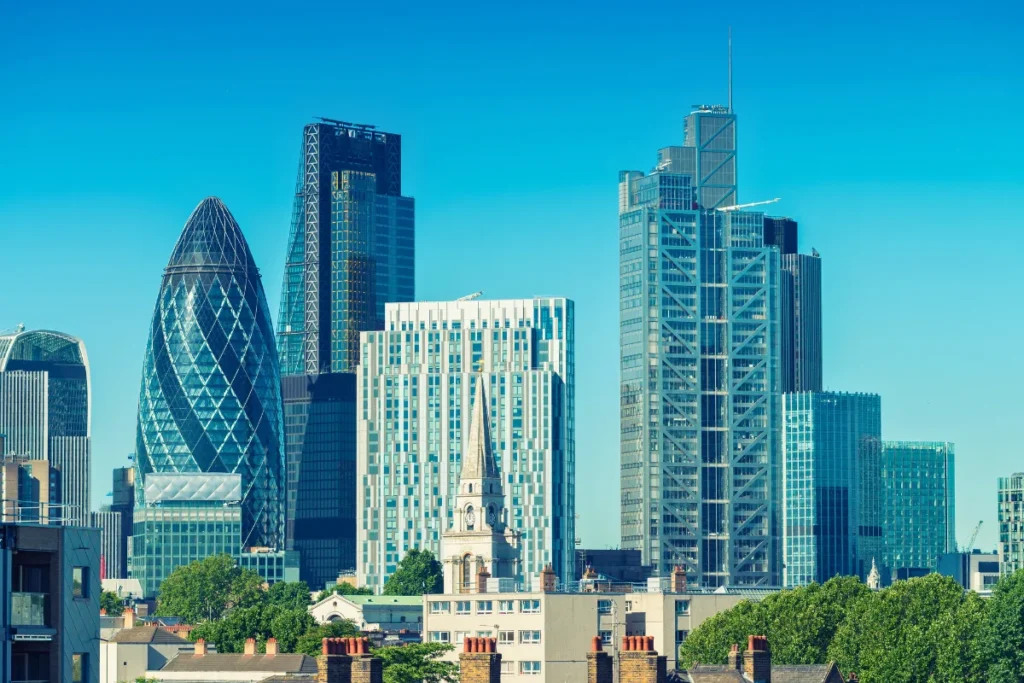
Few cities can rival London’s history in financial markets. The city has been a major trading centre for a very long time. It started as a busy commercial port. Today, it stands as the world’s leading foreign exchange hub. That’s quite a journey, honestly. Over the years, London has adapted again and again. It has managed to stay relevant while markets changed around it. That ability to evolve is a big reason why traders still look to London. And, from the way things are going, that influence doesn’t seem to be fading anytime soon.
Historical Foundations Supporting Digital Evolution
London didn’t become a financial powerhouse overnight. The process took centuries. Institutions like the Bank of England and the London Stock Exchange played a huge role. They built trust in the market. They also created systems that attracted investors from across the globe. That long track record made the move into digital trading feel almost natural.
Other financial centres often had to build credibility from the ground up. London, on the other hand, already had a strong reputation. It already had deep liquidity too. Oddly enough, those advantages carried smoothly into the digital era. The city used them well. As a result, it became one of the most active online trading environments in the world.
Strategic Time Zone And Global Market Access
Geography has always given London an edge. Its location works surprisingly well for financial market traders. The city’s time zone sits between Asia and the Americas. That means market participants can follow activity in Tokyo and Hong Kong during the morning. Later, they can shift their attention to New York and Chicago. The transition is smooth. It almost feels seamless.
This overlap creates a long trading window. Few financial centres can offer the same level of access. According to the Bank for International Settlements’ Triennial Survey 2025, London handles 37.8% of global foreign exchange turnover. That’s an enormous share. It amounts to around $4.7 trillion changing hands every day. Let’s be real, that’s a staggering figure. It’s also more than double the volume processed by New York.
Advanced Financial Infrastructure And Regulation
Part of London’s appeal comes from its regulatory system. Both institutional investors and retail traders value that stability. The Financial Conduct Authority provides a clear framework for market activity. It supports access to opportunities. At the same time, it offers strong consumer protection. That balance matters. It gives people confidence in the markets they use. Traders want transparency. They want fair rules too.
London’s regulatory approach has helped provide both. Because of this, many international firms have chosen the city for their European operations. That decision has strengthened market depth and liquidity over time. The FCA’s research adds another interesting layer. It found that 8% of UK adults now own cryptoassets. Meanwhile, 26% of people who do not own them said regulation would make them more likely to invest. That says a lot about investor confidence. Trust still matters, maybe more than ever.
Growth Of Fintech And Digital Trading Platforms
London’s fintech sector has pushed its trading influence even further. The city is home to hundreds of digital platforms. Some focus on algorithmic trading tools. Others offer blockchain-based financial products. The range is impressive. Cryptocurrency markets have also introduced a new layer of activity. That shift has expanded the city’s reach into emerging asset classes.
For traders entering this space, education remains important. Markets move fast. Sometimes they move faster than expected. Structured learning can make a real difference. A crypto trading course can provide practical knowledge and useful foundations. It can help traders understand digital assets while still building confidence in more traditional markets.
ALSO READ: A Simple Guide On How To Start Investing And Grow Your Money
London’s strength as a global trading hub goes beyond location or infrastructure. Those factors certainly help, but they’re only part of the story. The city has developed a culture of financial innovation over many generations. That mindset has been refined over centuries. New technologies arrive. Markets change. Trading habits evolve. Yet London keeps adapting. That’s probably what makes it stand out. If current trends continue, the city looks well-positioned to remain at the heart of global trading for years to come.
Sources & References
- The Investors Centre. (2026). UK forex trading statistics 2026: Volumes, brokers, and FCA rules.
- Compare Forex Brokers. (2026, March 9). UK forex trading statistics for 2026 (updated).
- Financial Conduct Authority. (2026, February 26). Renaissance at market speed: UK wholesale finance in 2026. FCA.
- Bank for International Settlements. (2025). Triennial central bank survey of foreign exchange and OTC derivatives markets. BIS.
- Financial Conduct Authority. (2024). Financial Lives survey: UK adults and cryptoasset ownership. FCA.
Disclaimer: This article is provided solely for informational and educational purposes. It does not constitute financial, investment, legal, or professional advice, nor is it intended to promote any specific product, service, platform, or provider. Readers should conduct their own research and seek independent professional guidance before making any financial or investment decisions. Any actions taken based on the information presented are undertaken at the reader’s own discretion and risk.