
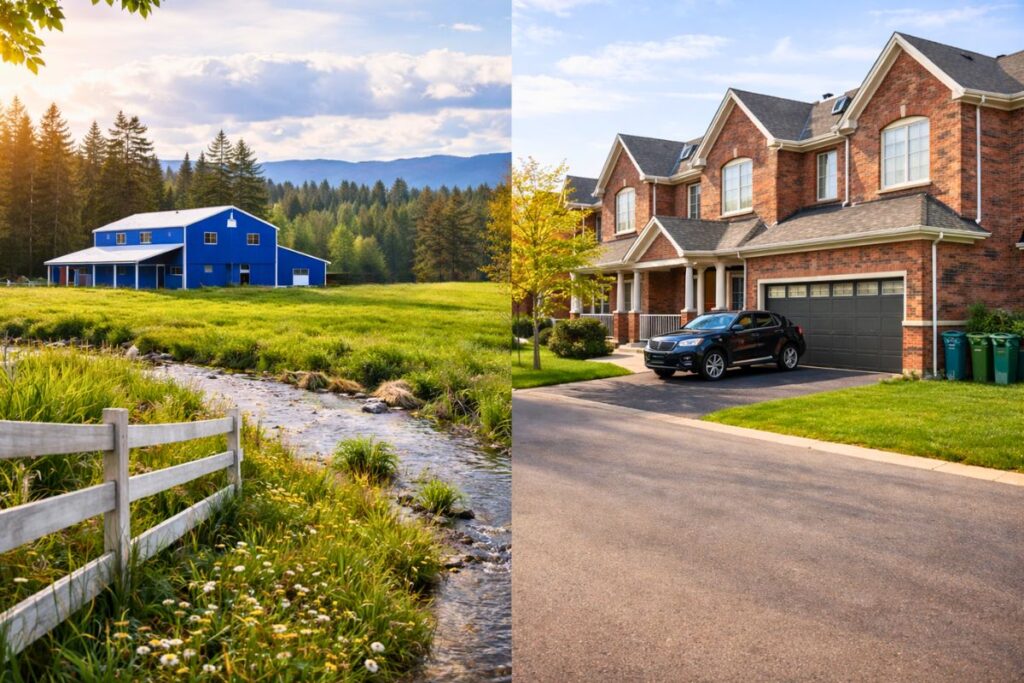
The United Kingdom has a seriously varied landscape. One minute you’re dealing with the packed, fast-moving streets of London or Manchester, and the next you’re looking at quiet little hamlets in the Cotswolds or somewhere tucked away in Hampshire. And sure, the dream of owning a home is pretty much the same everywhere. But the reality of protecting that home? That changes a lot depending on your postcode. A Victorian terrace in a city centre deals with a totally different mix of risks than a cottage sitting peacefully in a remote valley.
Insurers don’t just guess at this stuff. They look at geographical differences through the lens of risk probability, which sounds a bit clinical, but it makes sense. An urban homeowner might be more worried about theft. Or accidental damage when the kitchen renovation gets a little out of hand. A rural homeowner, on the other hand, is often thinking about flood risks from a nearby brook. Or a big old tree coming down during a storm and smashing half the roof. Understanding these differences matters. A lot. It’s how you avoid being underinsured, or paying for cover that doesn’t really match what your home actually needs.
So yes, it’s genuinely important to recognise how your location shapes your policy requirements. Let’s be real, most people don’t think about this until something goes wrong. But if you stick with us until the end, you’ll see the key differences between town and countryside living. And why they matter more than you might expect.
Urban Living: High Density and Higher Footfall
City homes tend to sit in areas with higher crime statistics. They’re also usually closer to neighbours, sometimes a little too close. If you live in a flat or terraced housing, one of the biggest concerns is something insurers call “escape of water.” It’s basically when water leaks from another property into yours. And yes, it’s as annoying as it sounds. If a pipe bursts in the flat above you, it won’t be their ceilings getting ruined. It’ll be yours. Your furniture too. On top of that, urban areas often see higher rates of opportunistic theft and vandalism. It’s not always dramatic. Sometimes it’s just someone trying their luck. But it can still push up the cost of standard premiums.
When you’re trying to find a policy that actually understands these complexities, it helps to go with a specialist like Intelligent Insurance. They take a more detailed approach, which is honestly refreshing. They offer comprehensive buildings and contents insurance that can be tailored to high-density living. That means you’re not just treated like a generic statistic on a spreadsheet. Whether your home is a modern apartment or a period townhouse with quirks and character, having a provider that looks at your specific circumstances is a big advantage. And in a city, where the risks can pile up quickly, that kind of attention to detail really matters.
ALSO READ: Why Church Rejects £1000 Burial Fee Cap? What the 2026 Vote Means for UK Families
Rural Retreats: Nature and Structural Uniqueness
Out in the countryside, the risks are usually less about people and more about the environment. It’s not that rural areas are risk-free. Far from it. The big difference is that rural properties are often further away from emergency services. That sounds minor until you actually need help. A fire, a burst pipe, or even a plumbing emergency can cause far more damage before anyone gets there. Then there’s the structure of the homes themselves. Many rural properties are “non-standard” in construction, which insurers definitely pay attention to. They might have timber frames. Or thick stone walls. Or other unique features that look gorgeous, but need specialist knowledge to insure properly.
Subsidence is another issue that tends to vary depending on the region. Some rural areas sit on heavy clay soil. And clay, annoyingly, is more prone to ground movement. This is especially true after a particularly dry British summer, which we seem to get more often now. If your property has a history of structural movement, you absolutely need to disclose it. Even if it feels like a hassle. Specialist insurers will often ask for a Certificate of Structural Adequacy. That’s not them being difficult. It’s them making sure they can offer the right level of protection for your foundations. And honestly, if your home is literally shifting in the ground, you want that covered properly.
Tailoring Your Cover With Optional Extras
No matter where you live, a one-size-fits-all policy rarely gives you the exact protection you need. It might look fine on paper. But real life isn’t that neat. Most standard policies include home building cover and contents insurance, and that’s a good starting point. Still, your lifestyle might need extra layers of security. And here’s the part many people miss: certain types of protection aren’t included in a basic premium. They have to be added separately to your schedule.
Consider these optional covers to enhance your peace of mind:
- Accidental Damage: This is an optional cover that protects you if you accidentally spill wine on a carpet. Or if you hammer a nail into a water pipe, which sounds ridiculous until it happens. And yes, it happens more than people like to admit.
- Personal Possessions: If you regularly travel into the city with a laptop or expensive jewellery, this add-on protects your items while you’re away from home. It’s one of those things you don’t think about until you really wish you had.
- Pedal Cycle Cover: Whether you cycle to the local station or take your bike out through forest trails, insuring it away from the property is often available as an optional extra. And given how pricey bikes can be now, it’s worth a look.
- Home Emergency: Basic emergency assistance is often included. But this optional upgrade usually gives you higher call-out limits. It can also cover your boiler and heating system more thoroughly, which is a lifesaver in the middle of winter.
The Importance Of Home Emergency Assistance
Some issues are universal, whether you live in a busy city street or down a country lane. A blocked drain can happen anywhere. A failed electrical circuit doesn’t care about your postcode. Many policies include some level of home emergency cover as standard. That usually means immediate access to a qualified plumber or electrician, which is great. But if you live somewhere remote, where specialists are harder to find and travel times are longer, you might want to consider the optional higher-tier emergency cover. It’s not just about convenience. It’s about making sure you’re properly reimbursed when the costs start stacking up.
ALSO READ: How to Design a Contemporary Home in the UK | A Practical Home Design Guide
Conclusion: Secure Your Property’s Future
Whether you’re falling asleep to the sound of sirens or the bleating of sheep, your home is probably your most valuable asset. And the differences between urban and rural insurance aren’t just about the price of the premium. They go deeper than that. It’s about the specific perils that could threaten your stability. A city flat has one set of headaches. A rural cottage has another. By taking the time to assess your local risks, you can build a policy that genuinely holds up over time. And honestly, that peace of mind is worth a lot.
Don’t wait for an incident before checking your policy wording. That’s the trap people fall into. By working with a specialist provider that understands the UK’s unique geography, you can rest a little easier knowing your home is protected. With the right combination of standard cover and optional extras, you’ll be able to enjoy your home. No matter where it sits on the map.
Sources and References:
- Association of British Insurers. “Home Insurance Explained.” ABI.
- UK Government. “Subsidence and Property Risk Guidance.” GOV.UK.
- Financial Conduct Authority. “Understanding Insurance Add-Ons.” FCA.
- Intelligent Insurance. “Specialist Home Insurance for Non-Standard Properties.”
Disclaimer: This article is provided for informational purposes only and is not promotional. Any references to products, services, or external resources are included solely for general awareness and do not constitute an endorsement or recommendation.