
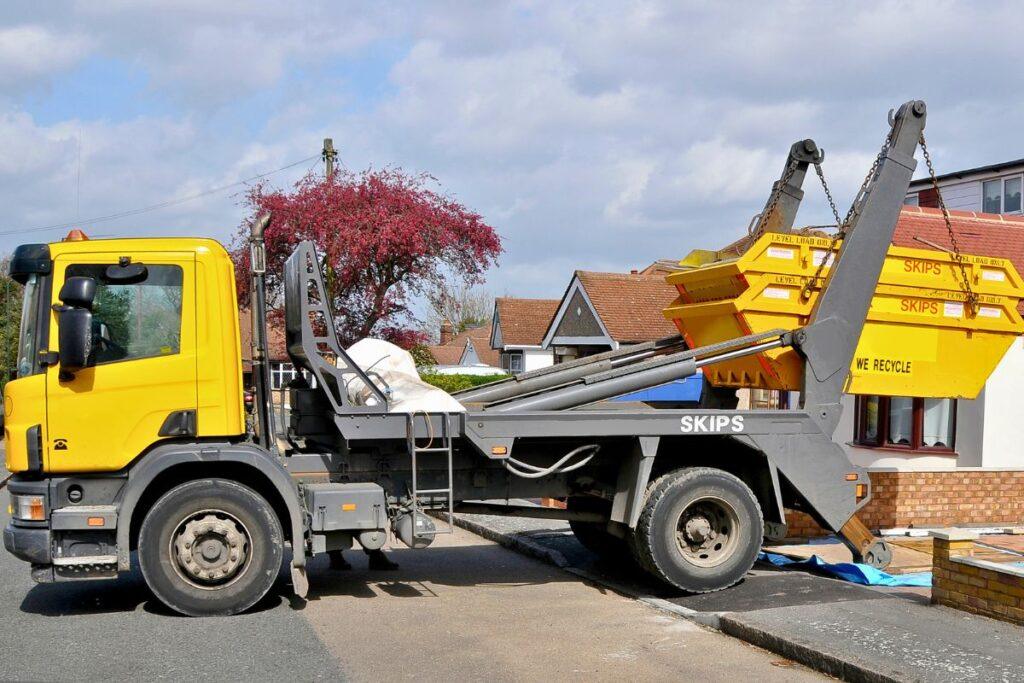
Anyone who has ever done a renovation will tell you that the mess arrives long before the nice bits. One moment you’re choosing paint colours, and the next you’re staring at piles of broken tiles, old cupboards, dusty bags, and boxes you didn’t even know you owned. It creeps in quietly, and suddenly the house feels smaller, louder, and far busier than you had pictured. Planning the waste side of things early doesn’t feel glamorous, but it honestly saves your sanity once the work begins. House renovations already test your patience; there’s no need to add extra chaos when it can be avoided with a bit of thought.
What Actually Happens To Waste During A House Renovation
Every room has its own kind of mess. Kitchens produce awkward, bulky rubbish that takes up space even when you’ve knocked it apart. Bathrooms leave behind heavy pieces that feel like they weigh a tonne. Lofts are their own special adventure, as they usually have bits of timber, bags of insulation, old suitcases, and the random belongings that families seem to store for twenty years.
Even when you think the job is small, the rubbish appears faster than you expect. One tiny change can fill half a hallway. A simple shelf installation comes with a mountain of cardboard. A new bathroom mirror arrives wrapped like a family heirloom. None of this is dramatic; it’s just the everyday reality of improving a home.
Many homeowners in Northwest London simply have a quiet word with local skip hire services in Pinner, because they deal with this kind of thing every single day and can tell you exactly what size skip won’t leave you in a panic. People living slightly further out often speak to this local skip hire company in Gerrards Cross, especially when the roads are tighter and parking can be hit-and-miss.
Think In Stages Instead Of One Big Job
Renovations tend to happen in waves. The first wave is all the ripping out and that is where the real mess begins. Then there’s the delivery of new items, which produces endless packaging. Finally you get the quieter jobs like sanding, trimming, painting, and putting everything together.
It helps to break the project into simple steps instead of treating it as one giant event. Ask yourself:
- Where will the first batch of rubbish sit before the skip arrives?
- Can rubbish be carried through the house without blocking every path?
- Does the project need one skip or two smaller ones at different times?
- Are there parking restrictions that affect drop-off or collection?
- Where will new materials sit safely so they aren’t damaged by dust and debris?
This sort of thinking doesn’t feel exciting, but it prevents those annoying moments where everyone stops working because there’s simply nowhere left to put anything.
ALSO READ: Hidden Cost of Scaffolding Explained: What You’ll Really Pay
Picking A Skip Size That Actually Works For You
A lot of people guess their skip size, and that’s how they end up with rubbish stacked in the garden by day three. The type of renovation matters more than the size of the house. A tiny kitchen can produce more waste than a big bedroom. Bathrooms can fill a skip just with tiles. A loft clearance produces mixed waste that’s awkward to stack.
The simplest approach is to describe your job to someone who deals with skips daily. They’ll know that a standard kitchen usually fills more space than you think, or that garden waste needs more room because soil and fencing are bulky. There’s no magic formula — it’s practical experience, and local skip hire companies have plenty of that.
What Can Go In The Skip (And What Absolutely Can’t)
Once the skip arrives, it’s tempting to throw everything in. Sadly, the rules aren’t that relaxed. Some things are perfectly fine, while others will cause the lorry driver to shake their head and refuse collection.
You can safely put in:
- Timber, MDF and general building scraps
- Old tiles, broken plaster and ceramics
- Flooring, carpets and underlay
- Soil, grass and garden offcuts
- Rubble, bricks and stone
- Most cardboard and packaging
You cannot put in appliances, fridges, batteries, chemicals, paint tins, tyres or anything that may be considered hazardous. Keeping these separate avoids last-minute stress when the skip is due to be collected.
ALSO READ: What to Know Before Choosing Hygienic Wall Sheets
Little Tricks That Make The Skip Work Harder For You
Loading a skip sounds simple until you try it. Throwing everything in however it lands wastes half the space. Flat pieces, like old boards or tiles, belong at the bottom. Break things down instead of throwing them in whole. Fill the small pockets of space with little scraps and packaging.
Covering the skip on rainy days helps too. Wet waste gets heavier, and some companies charge if it goes over certain weight limits. A sheet tied over the top is enough to stop water pooling inside.
Focus On The Practical Things Before The Work Starts
Good waste planning is quiet, simple, and surprisingly calming. Check whether the skip needs a council permit if it sits on the road. Let neighbours know about possible lorry access so no one wakes up annoyed. Clear a small “pathway” through the house so workers aren’t squeezing past towers of bin bags. Pick a dry corner for storing new items so dust doesn’t ruin them before they’re fitted.
When the waste side is sorted, everything else feels smoother. The builders keep moving, the house stays safer to walk through and you feel more in control of what’s going on even when half the walls are missing.
A renovation doesn’t need to feel like a battlefield. With the right skip, the right timing, and a bit of common sense, the whole thing becomes far easier to manage. Waste might not be the most glamorous part of the project, but getting it right makes the entire job lighter, quicker, and a lot less frustrating.
Disclaimer: This article is provided for informational purposes only. While reasonable efforts have been made to ensure the accuracy and reliability of the information presented, no guarantee is made regarding its completeness, accuracy, or timeliness. The content does not constitute any specialised advice and should not be relied upon as such. Readers are encouraged to conduct their own research and consult qualified professionals before making any decisions based on the information contained in this article.