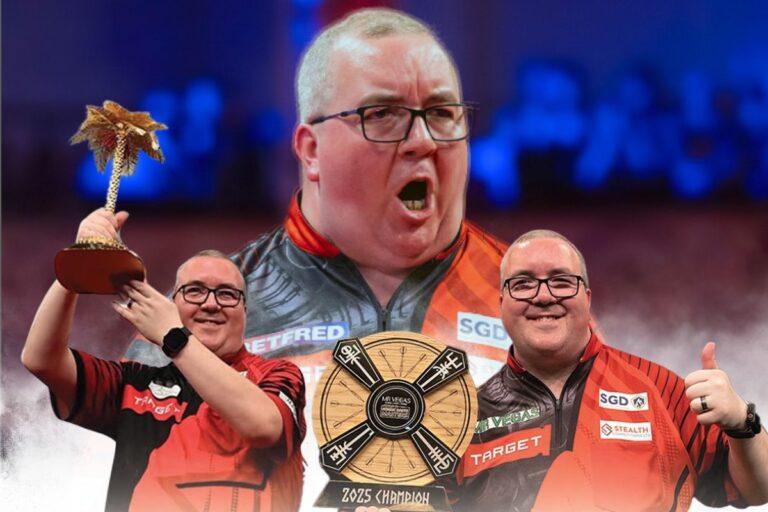

Professional athletes reach peak performance through a planned mix of explosive strength work, sport-specific practice, smart recovery and solid nutrition. They train with purpose, not just effort.
Coaches monitor every session, adjust the load and build both body and mind, so the athlete peaks at the moment it matters most.
- Peak performance comes from training, nutrition, recovery and mindset working as one.
- Explosive and plyometric drills build the speed and power that sport demands.
- Rest is part of the plan as the body adapts while it recovers.
- Data and tailored programmes have replaced generic training sessions.
- A strong mindset separates good athletes from great ones.
How Do Professional Athletes Train? The Core Methods
Talent and genetics give some athletes a head start. Yet it is the full package of training, fuel and recovery that determines who reaches the very top. Below are the methods the professionals rely on and how you can borrow them.
1. Prime The Body Before Every Session
Every good session starts before the main work. Coaches at Future Hit Training suggest 6–10 minutes of dynamic stretches and light cardio, such as a gentle jog or jumping jacks.
They then add muscle activation. Think of 50 bodyweight squats before a squatting workout. This wakes the muscles, sharpens control and lowers the risk of injury.
2. Train For Explosive Power
Most sports demand power in short, sharp bursts. Vitruve points out that lighter weights moved at speed teach the muscles and nerves to fire explosively, which makes an athlete both faster and stronger.
Martial artists sum it up as “speed kills”. Chains and resistance bands add load through the lift and improve how fast you accelerate under weight. Plyometric drills, built on a fast stretch and then a powerful contraction, take this idea further.
Sprints paired with HIIT copy real match demands, roughly 3–8 seconds of full effort, then 35–45 seconds of rest.
3. Build Raw Strength
The off-season is for getting bigger and stronger. Heavy pushing, pulling, lifting and carrying stress the whole body, so the muscles and nervous system adapt and grow. This is how sports like rugby and wrestling build bigger, faster players.
Weighted lunges with kettlebells are a simple example. Grip strength is equally important in many sports, particularly climbing and combat disciplines. Medicine ball slams add power, endurance and a useful way to release stress.
4. Practise Until It Becomes Automatic
Skill is central to every sport. The professionals break each movement down and repeat it for hours — a bowler’s action, a striker’s first touch, a shooter’s release.
The aim is not to practise until you get it right but until you cannot get it wrong. That level of repetition is what turns effort into instinct when under pressure.
5. Recover As Hard As You Train
Rest is not time off. It is when progress happens. Recovery principles remain the same whether you’re returning from childbirth, injury or intense training. Tonal’s coach Max Artsis reminds athletes that “your best ability is availability” because stress from work, life and lifting all adds up.
Push too hard and the body breaks down. The goal is steady overload, so you adapt a little at a time rather than doing too much too soon. Most professionals build in at least one rest day a week, often filled with a light walk or an unhurried swim.
6. Win The Mental Game
The gap at the top is often mental. B Sports Performance argues that discipline and honest self-assessment matter as much as raw talent.
Great athletes remove distractions, study their sport and keep showing up on the days they least feel like it. Neutral thinking helps too. Good and bad days happen, and that is fine.
7. Track And Personalise Everything
Gone are the days when a whole team did the same session. Now, each athlete follows a tailored programme that targets their weak points. Wearable trackers record heart rate, distance and effort, then feed the numbers into an app.
These devices are now cheaper and more precise, so keen amateurs use them too. Coaches read the data and react fast, easing off or pushing on as the body responds.
8. Fuel The Work
None of it holds up without good food. Consistent training needs consistent nutrition, so athletes eat to match their energy demands and recovery needs. Even simple everyday foods can make a meaningful difference to training performance and recovery. Get the fuel right, and every other part of the plan works harder for you.
ALSO READ: Forearm Exercises That Build Grip Strength and Muscle Definition Fast
Elite Athletic Benchmarks: Training, Fueling & Recovery Across Sports
| Sport / Athletic Discipline | Primary Training Focus | Daily Training Volume | Estimated Caloric Intake | Sleep & Recovery Target |
|---|---|---|---|---|
| Sprint & Power Sports (e.g., 100m, Track & Field) | Central nervous system recruitment, explosive power & acceleration | 3 – 4 hours/day | 3,000 – 3,800 kcal | 9 – 10 hours |
| Contact & Team Sports (e.g., Rugby, Football, Combat Sports) | Maximal strength, muscular hypertrophy & agility | 4 – 5 hours/day | 4,000 – 6,000 kcal | 8 – 10 hours |
| Endurance Sports (e.g., Marathon, Triathlon) | Aerobic capacity (VO2 max) & lactate threshold | 3 – 5 hours/day | 3,500 – 5,500 kcal | 9 – 10 hours |
| Aquatic Sports (e.g., Olympic Swimming) | Muscular endurance, stroke efficiency & cardiovascular power | 4 – 6 hours/day | 4,000 – 6,000 kcal | 9 – 10 hours |
| Ultra-Endurance (e.g., Grand Tour Cycling) | Sustained power output & metabolic efficiency | 5 – 7 hours/day | 6,000 – 8,000+ kcal | 9 – 10+ hours |
Table Source: American College of Sports Medicine (ACSM), UCSF Sports Medicine, and National Sleep Foundation Athlete Guidelines.
FAQs
Q1. How Many Hours A Day Do Professional Athletes Train?
Ans: Many professionals train for around five to six hours a day, five to six days a week. Sessions are intense but broken up with rest, practice and recovery work.
Q2. Do Professional Athletes Train Every Day?
Ans: Most train nearly every day but keep at least one rest day each week. That day is often an “active recovery” day, like a brisk walk or a gentle swim, rather than complete rest.
Q3. What Do Professional Athletes Eat?
Ans: They eat to fuel performance and recovery, focusing on quality protein, carbohydrates and healthy fats. Meals are planned around training loads to keep energy and muscle repair high.
Q4. How Do Athletes Build Explosive Power?
Ans: They use plyometrics, sprints and lighter weights moved at speed. These drills train the muscles and nervous system to produce force quickly.
Q5. Does Mindset Really Affect Athletic Performance?
Ans: Yes. Focus, discipline and positive self-talk shape how well an athlete performs and recovers. Many coaches see mindset as the deciding factor at the elite level.
Q6. Can A Normal Person Train Like A Professional Athlete?
Ans: Yes, within reason. You can copy the methods, such as warm-ups, strength work, recovery and mindset, even if you cannot match a professional’s time, genetics or support team.
Sources & References
- Vitruve. (2026). High‑performance training for professional athletes. Vitruve Blog.
- B Sports Performance. (2026). How do I train like a pro athlete? B Sports Performance Blog.
- Future Fit. (2026). How to train like an athlete. Future Fit Blog.
- Tonal. (2026). Three ways to train like a professional athlete. Tonal Blog.
Disclaimer: This article is provided solely for informational and educational purposes. It is not intended to promote any individual, organisation, product or service. Readers should seek professional advice before making any fitness, training or health-related decisions based on the information presented.