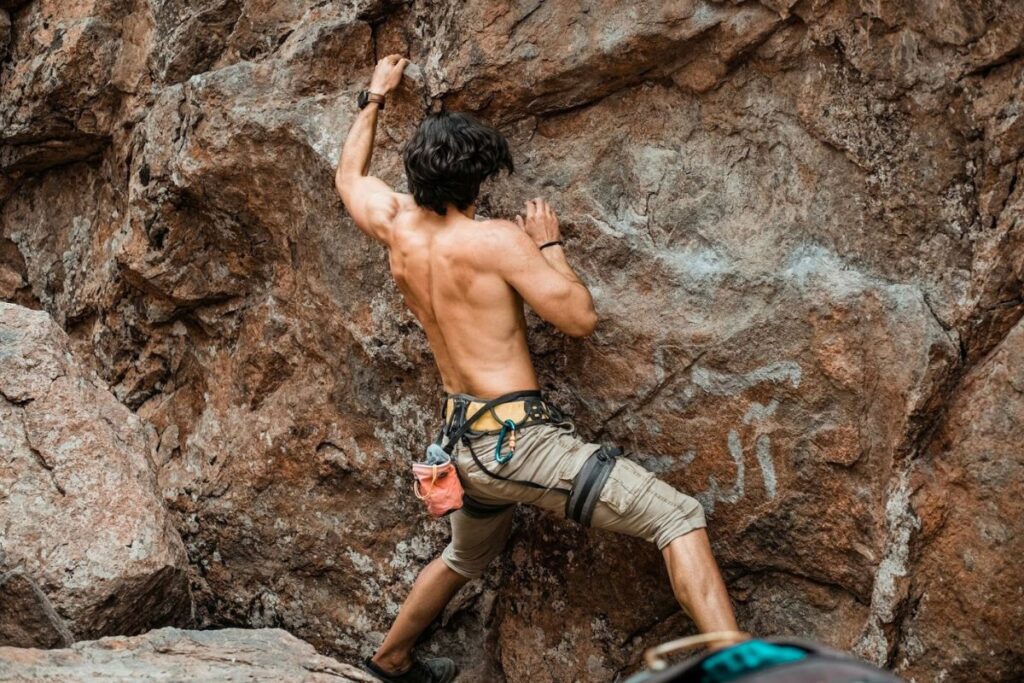
Grip strength sits right at the centre of climbing performance. It really does. It shapes endurance, control, and, honestly, confidence too—whether you’re on plastic indoors or out on real rock. Most climbers know this, so they add hangboards, campus rungs, or grip attachments to their training, expecting quick gains. And sure, sometimes that happens. But progress often stalls. Not because people aren’t trying hard enough. Usually it’s because of a few very avoidable mistakes. Spotting where grip training goes wrong makes it far easier to build strength safely, steadily, and without wrecking your fingers along the way.
Treating Grip Training As Isolated
One of the most common mistakes is treating grip strength like a separate skill. Something you can train on its own and be done with. Climbers sometimes load their fingers endlessly with grip attachment tools while ignoring movement, footwork, or body position. That’s where things slip. Grip doesn’t work alone. It never has. Good climbing relies on balance and efficient technique to take pressure off the hands. Overdoing grip work without improving overall movement usually leads to small gains, heavy fatigue, and a bit of frustration too.
Training Too Hard Too Soon
Impatience causes a lot of trouble here. New climbers, or those coming back after time off, often jump straight into intense grip sessions. It feels logical at the time. Muscles feel strong quickly. Tendons and pulleys don’t. They adapt slowly, much slower than muscles, which is annoying but true. Pushing intensity too fast increases injury risk and can stop training completely. Gradual progression isn’t glamorous, but it lets the body adapt without overload. And that matters.
Ignoring Rest And Recovery
Grip training hits small structures hard. Harder than most people expect. Recovery matters more here than in many other types of strength work. Climbers who train grip every single day often feel stuck, or worse, start feeling pain. Tendons need time to rebuild. They just do. Scheduling proper rest days supports strength gains and helps avoid overuse injuries that can linger for months. And let’s be real, nobody wants that.
Using The Same Holds Repeatedly
Repetition feels productive. It looks productive too. But using the same edge depth or grip style over and over limits development. The body adapts narrowly. Real climbing isn’t like that. It throws different holds and angles at you constantly. Mixing grip types spreads the load and builds more balanced strength. It also reduces repetitive strain by shifting stress across the fingers and forearms. Oddly enough, variety often leads to better results.
Neglecting Warm-Up Quality
A rushed warm-up is a classic mistake. Cold fingers and stiff joints don’t respond well to heavy loads. They just don’t. A proper warm-up boosts blood flow and prepares the tissue for stress. Light traversing, easy hangs, and some mobility work go a long way. Skipping this step often leads to pain that could have been avoided. And yes, most people learn that the hard way.
ALSO READ: Surprising Benefits of Osteopathy Arrives in Fulham
Overloading With Added Weight
Adding weight feels like clear progress. Numbers go up. That’s satisfying. But it isn’t always the right move. Heavily weighted hangs place serious stress on finger structures. For many climbers, bodyweight hangs already provide plenty of stimulus. Increasing time under tension or changing grip type often leads to safer gains. Added load should come later. Slowly. And only once baseline strength is properly established.
Training Through Pain Signals
Pain is not progress. That idea needs saying more often. Many climbers push through discomfort, assuming it’s just part of trying hard.
Sharp or lingering pain is different. It’s a warning. Ignoring it usually makes things worse, not better. The same rule applies beyond the fingers — persistent neck stiffness or pain, known as cervicalgia, is often made worse by climbers who push through discomfort instead of resting. Recovery gets longer. Damage increases. Learning to tell the difference between normal fatigue and injury signals protects long-term climbing ability. That awareness is a skill in itself.
ALSO READ: Forearm Exercises That Build Grip Strength and Muscle Definition Fast
Forgetting Antagonist Muscles
Grip training strengthens flexors. That’s obvious. What often gets forgotten are the opposing muscles.
Imbalances create joint stress and reduce control. Strengthening extensors and stabilisers supports healthier movement overall. Simple band work or light weights can make a real difference. It’s not exciting training, but it helps keep fingers working the way they should.
Poor Use Of Equipment
Equipment doesn’t guarantee progress. It never has. Hangboards and grip attachments only help when used with intention. Random sessions, done whenever, tend to waste energy. Clear goals matter. So do consistent protocols and tracking. Understanding how each tool loads the fingers prevents misuse. Without that, equipment becomes novelty rather than support.
Skipping Technique Feedback
Grip strength training without feedback misses easy wins.
Video analysis or coaching often reveals habits that overload the hands unnecessarily. Small changes in hip position or foot placement can dramatically reduce grip demands. These adjustments feel minor, but they add up. Sometimes technique improvements unlock progress faster than more strength work ever could.
Chasing Numbers Over Quality
Tracking hang time or added weight can turn into an obsession. Numbers motivate, sure. But they don’t tell the whole story. Control, body tension, and recovery response matter just as much. Focusing only on metrics often leads to sloppy form. Injury risk rises. Performance doesn’t. It’s a trade-off that rarely pays off.
Training Without A Plan
Unstructured training usually ends in plateaus. Random grip sessions lack direction. There’s no progression. No purpose. A simple plan helps. One that outlines frequency, intensity, and rest. It doesn’t need to be complicated. Consistency and clarity matter far more than constantly switching things up.
Comparing Progress Too Closely
Climbers progress at different rates. Genetics, experience, body type, climbing style—it all plays a role. Constant comparison creates pressure to push beyond personal limits. That rarely ends well. Focusing on individual improvement reduces the urge to rush. Sustainable progress comes from respecting your own timeline, not matching someone else’s.
ALSO READ: Is John Stones Injured Again? What’s Actually Going On With Him
Forgetting Real Climbing Context
Grip training supports climbing. It doesn’t replace it. Spending too much time off the wall weakens skill integration. Applying strength gains during actual climbing sessions reinforces coordination and timing. Balancing supplemental training with climbing keeps things relevant. And, honestly, more fun.
Building Strength Without Setbacks
Grip strength improves most reliably when training stays patient, varied, and structured. Avoiding common mistakes protects fingers and supports long-term progress. Tools like grip attachments work best when load, recovery, and purpose are clearly understood. When those pieces line up, climbers build stronger hands without sacrificing their health.
Progress That Lasts
Strong fingers matter. Staying injury-free matters more. Thoughtful grip training prioritises gradual adaptation over shortcuts. By fixing common errors and respecting recovery, climbers build strength that supports movement instead of limiting it. That balance keeps progress steady—and keeps climbing enjoyable—for the long haul.
Sources and References
- Anderson, J. (2021). The importance of grip strength in climbing performance. Climbing Magazine.
- Schweizer, A. (2001). Sport climbing: Finger strength and injury prevention. Journal of Sports Medicine, 31(6), 409–415.
- Eric Hörst. (2016). Training for climbing: The definitive guide. Falcon Guides.
- Lattice Training. (2023). Common mistakes in hangboard training. Lattice Training Blog.
Disclaimer: This content is provided for informational purposes only and is not intended as medical or professional advice. It should not be considered a substitute for consultation with a qualified healthcare or climbing training provider. The information does not promote any product, service or treatment. Always seek professional guidance before making health or training-related decisions.