
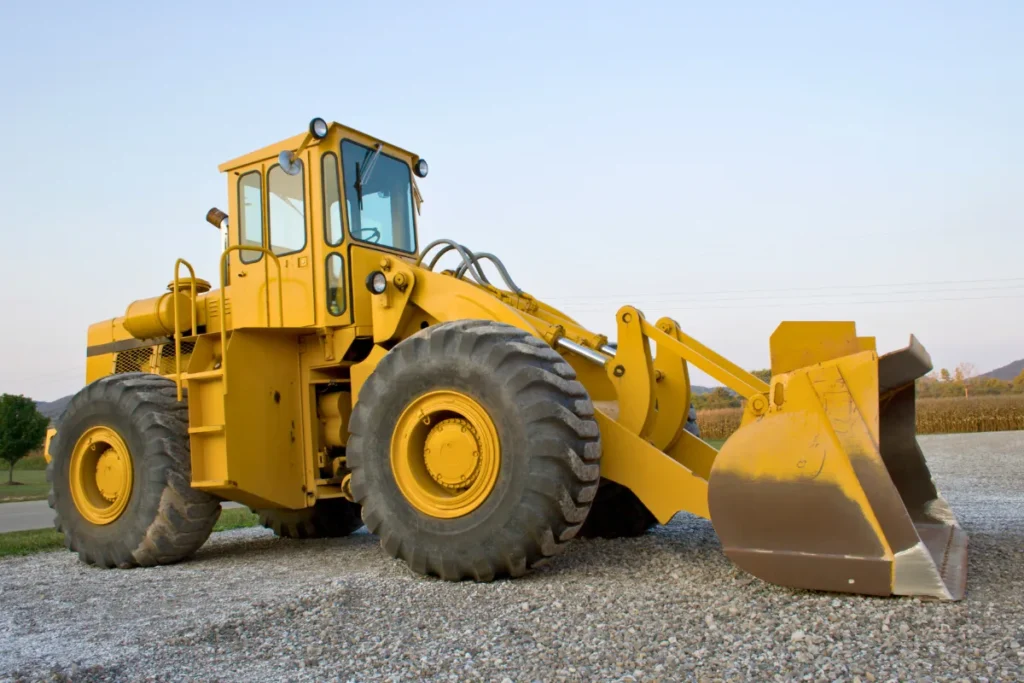
The value of flexible heavy equipment solutions lies in providing contractors with operational agility, reduced capital expenditure, and risk protection. By dynamically sourcing heavy equipment, construction firms can seamlessly adapt to changing project demands, avoid idle maintenance expenses, and protect cash flow without long-term debt commitments.
Ask any contractor about their easiest project ever, and they usually laugh out loud. Every single site brings weird surprises, whether it is tight spatial constraints, muddy ground conditions, or unmapped utility pipes. Construction schedules are rarely absolute guarantees, and sudden breakdowns or unexpected delays constantly test patience, making early preparation essential for site managers.
- Flexible heavy equipment rentals reduce upfront construction costs.
- Renting helps contractors adapt quickly to changing site conditions.
- Idle machinery can drain cash through maintenance and depreciation.
- Utilisation rates help determine whether to rent or buy equipment.
- Modern heavy equipment solutions improve cash flow and project flexibility.
That messy reality changes how firms operate today. Many companies prefer to rent construction equipment now. They avoid buying every machine for their fleet. Owning kit makes sense in specific situations. That is true if a digger works daily. Yet not every project needs identical machinery. The smartest move is getting specific tools temporarily. Use them for required tasks only. Send them back right after work finishes. It is a sensible, practical way to work. Oddly enough, simplicity saves massive headaches later. You save money on storage and transport too. Your business stays flexible and lean.
Industry numbers show a clear shift here. Over 55% of heavy equipment is rented now. That rate keeps climbing every single year. Project delays hit over 70% of sites. Unexpected site delays drain cash reserves fast. Renting keeps cash flow healthy and predictable. Financial flexibility keeps construction companies afloat longer. Heavy machinery costs continue to rise annually.
Bigger Fleets Don’t Always Mean Better Decisions
A yard packed with machinery once felt impressive. It was a huge badge of honour. It still feels quite satisfying to see. At the same time, parked machines quietly drain money. Steel does not stop costing money while parked. Depreciation and insurance bills keep piling up. Maintenance costs add extra pressure every month. Idle gear costs nearly 20% of value yearly. That is a lot of wasted cash. Unused machinery decays without regular operational care. Tyres rot, and batteries die sitting idle.
Experienced contractors think differently about fleets today. They check machine utilisation rates before buying anything. If a digger works year-round, ownership makes sense. If it sits idle often, renting works better. It really comes down to daily usage numbers. Renting is not cutting corners, let’s be honest. It matches real site demand with actual resources. Why buy gear for jobs you might never get? It just does not make financial sense. Capital tied up in machinery limits business growth.
This exact logic applies to growing businesses too. Winning new contracts means tackling unfamiliar job tasks. Renting gives builders solid room to scale up. You test new markets without heavy upfront risk. You see if that specific work becomes permanent first. It keeps financial stress low while testing opportunities. You protect your credit line for emergency needs.
| Financial / Fleet Factor | Industry Benchmark Stat | Key Operational Impact |
|---|---|---|
| Equipment Rental Share | 55% of global fleet | Higher preference for flexible fleet management |
| Idle Maintenance Cost | 15% – 20% value yearly | Fixed losses on parked unused machinery |
| Utilization Threshold | 60% annual usage | Breakeven point between renting and buying |
| Project Delay Rate | 72% of commercial sites | Requires quick gear adjustments on site |
Table Source: American Rental Association (ARA) and Dodge Data & Analytics.
Look closely at those utilisation numbers above. Machinery sitting below 60% usage loses money daily. Renting shields contractors from those silent financial leaks. Smart project managers track these stats closely. They adjust fleet strategies based on real data.
Construction Rarely Goes Exactly As Planned
Even veteran site managers expect unexpected changes daily. Weather shifts overnight without warning. Material supply dates move constantly. Clients alter floor plans halfway through builds. Gear that seemed perfect during bidding fails later. None of that is strange or unusual. It is just normal construction life, honestly. Every job site presents sudden hurdles. Adapting quickly keeps projects on schedule.
Flexible equipment rentals make awkward moments easier. Need a bigger excavator for three short weeks? No worries at all. That switch does not require massive loan approvals. Site crews adjust immediately and keep moving forward. They focus on real work instead of struggling. Forcing the wrong tool creates funny stories later. Though living through it feels awful, honestly. Having access to modern rentals saves time.
Good Equipment Should Make Life Easier
Great equipment choices rarely make dramatic news headlines. Jobs finish right on schedule. Operators stay calm and productive all day. Clients watch steady progress with big smiles. They assume everything went smoothly from day one. That is the whole point, isn’t it? Silent reliability is the ultimate goal.
When machinery fits the job, it vanishes nicely. Crews stop fighting tool limitations. They just get quality work done. That might sound boring to outside observers. Yet experienced builders appreciate calm, predictable workdays. Smooth site days do not happen by luck. They come from smart equipment planning decisions. Proper tools eliminate frustration on site.
Flexible rentals are not about avoiding equipment ownership. Nor are they about chasing silly temporary trends. They provide genuine options when site conditions change. Every job site asks completely unique questions. The best answer is not always parked outside. Sometimes a hired machine arrives for a month. It completes the job without any fuss. Then it heads out quietly back home. In construction, that means total success. Smart planning keeps profits high and stress low.
ALSO READ: Saving vs Investing: How the Stock Market Differs from a Bank Savings Account
FAQs
Q1. Is It Better To Rent Or Buy Construction Equipment?
It depends entirely on daily machine usage. Buy core machines you use daily. Rent specialised gear for occasional short jobs.
Q2. What Are The Main Advantages Of Renting Construction Machinery?
Renting cuts huge upfront capital costs. It eliminates expensive idle storage fees. You always get the right modern tool.
Q3. How Do Contractors Decide When To Rent Versus Buy?
They review annual utilisation rates carefully. High-use tools justify buying outright. Low-use or niche machinery is cheaper to rent.
Q4. How Does Renting Heavy Equipment Help Handle Unexpected Project Changes?
It gives contractors instant site flexibility. Crews swap attachments or upgrade machine sizes easily.
Q5. Can Renting Heavy Equipment Help A Construction Business Grow?
Yes, absolutely. It lets firms tackle bigger or unfamiliar projects. They avoid risky long-term debt commitments.
Sources & References
- Competition and Markets Authority. (2026, May 21). Civil engineering market study: Final report on UK road and rail infrastructure. GOV.UK – CMA Publications.
- Office for National Statistics. (2026, May 14). Construction output in Great Britain: March 2026, new orders and price indices. ONS Statistical Bulletin.
- RICS. (2026, March 9). Construction productivity report 2026: Global benchmarks and UK insights. Royal Institution of Chartered Surveyors.
- CFMA & AEMP. (2026). Heavy equipment comparator executive summary: Utilization, maintenance, and capital productivity benchmarks. Construction Financial Management Association.
- Wikipedia. (2026). Equipment rental. In Wikipedia.
Disclaimer: This article is provided strictly for informational purposes and does not constitute financial, operational, or promotional advice for construction machinery procurement. Readers should independently verify all facts, statistical benchmarks, and equipment costs before making financial commitments. Always seek advice from qualified industry professionals and legal advisors to determine the best fleet management strategies for individual business needs.