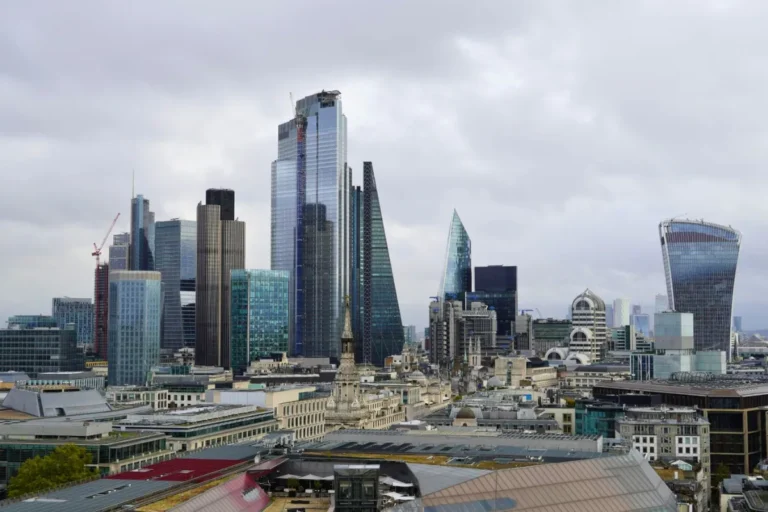
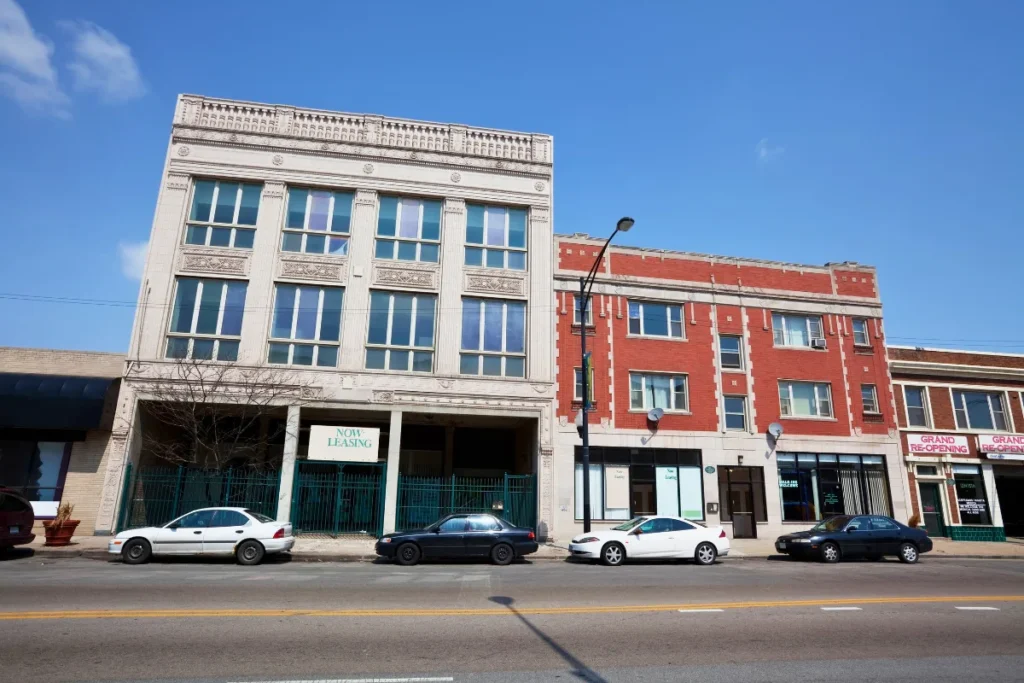
Many commercial buildings across the UK date back decades. Most were built during the twentieth century. These properties often have real character. They also sit in prime locations. That’s a big plus. Still, there’s usually more to the story. Older buildings can hide environmental issues from the past.
Building rules have changed a lot over time. Materials once considered safe are viewed differently today. It’s surprisingly common for new tenants to find problems. That often happens during renovation work. Sometimes the issues stay hidden for years.
Moving into a pre-2000 property means inheriting its history. Some of that history isn’t obvious. Old manufacturing methods can leave traces behind. So can outdated ventilation systems. Ageing building materials may also create concerns. These factors can affect indoor air quality.
Property managers need to look beyond appearances. Fresh paint doesn’t tell the whole story. Neither does a tidy reception area. Hidden hazards can sit quietly for decades. Then, suddenly, they become impossible to ignore. Let’s take a closer look.
How Legacy Pollutants Affect Workspace Safety
Industrial practices were very different years ago. Environmental controls weren’t as strict. In some places, they barely existed. Chemical spills happened. Machinery leaked. Heavy industrial activity was routine. Over time, contaminants soaked into concrete surfaces. They also seeped into porous walls. Those substances don’t always disappear. In fact, some remain trapped for years. Later, they may release gases into the air. Others become airborne dust. Neither outcome is ideal. Workers can then face unnecessary exposure risks. Even vacant buildings may still contain contaminants. That’s the tricky part.
Deep chemical contamination requires specialist attention. It isn’t a simple cleaning job. Standard methods usually clean surface areas only. They rarely reach deeper contamination. Chemicals can penetrate building materials over time. Once that happens, removal becomes more complicated. And, honestly, much more specialised.
That’s why many property owners seek expert help early. Professional remediation teams know what to look for. They identify contamination sources. They contain affected areas. They also neutralise hazardous substances safely. Companies such as ICE Cleaning often handle this work. Early action can save considerable time. It can also reduce future costs. More importantly, it limits contamination spread during demolition. That’s something nobody wants to deal with later.
ALSO READ: London’s Hospitality and Retail Operators Are Rethinking Energy Overheads
Asbestos Residue And Mould In Hidden Spaces
Asbestos remains a major concern in older commercial buildings. Properties built before 2000 face higher risks. Intact asbestos materials can often stay managed safely. Problems usually arise after disturbance. Historical maintenance work can leave fibres behind. Poor cleaning practices may do the same. These fibres often collect in hidden areas. Ceiling voids are common locations. Ductwork can also contain residues. Modern technicians frequently access these spaces. They install cables and perform upgrades. During that work, fibres may become airborne. Once released, they create a serious health hazard.
Poor ventilation creates another challenge. Many older buildings weren’t designed for modern expectations. Airflow can be limited. Moisture then starts building up. It collects behind drywall. It gathers under floorboards. Old heating systems can trap moisture too. Before long, mould finds ideal conditions. The frustrating part is its location. Mould often grows out of sight. Staff may never see it directly. Yet spores can travel throughout the building. Over time, health issues may develop. Respiratory problems are common. Allergic reactions can occur as well. Oddly enough, symptoms often appear first. The actual source remains hidden.
Steps To Ensure A Safe Commercial Environment
Managing an older building requires forward planning. A reactive approach rarely works well. Waiting for problems can be costly. It can also increase risk. If contamination seems possible, investigate early. Taking action sooner offers more options. It also helps protect occupants. Compliance becomes easier too. Understanding a property’s history is valuable. Previous site activities reveal useful clues. Those details often point toward potential trouble spots.
Here is a step-by-step guide to manage older property risks:
- Arrange a detailed environmental survey. Test for hazardous substances and heavy metals.
- Upgrade ventilation systems where needed. Improve airflow and reduce moisture build-up.
- Create clear safety procedures for maintenance teams. Focus on ceiling and floor void access.
- Keep records of previous industrial activities. They help identify contamination hotspots faster.
ALSO READ: Hidden Cost of Scaffolding Explained: What You’ll Really Pay
In Closing
Older commercial buildings offer many advantages. Location is often one of them. Available space is another. Character can be a bonus too. Even so, careful management remains essential. Ignoring environmental history creates unnecessary risks. Renovation schedules may slip. Costs can rise unexpectedly. Legal issues may follow. Most importantly, staff wellbeing could suffer. That’s a risk few businesses can afford.
Identifying legacy issues early changes the situation completely. Planning becomes easier. Remediation work becomes more organised. Specialist support can be arranged sooner. Small concerns stay manageable. Major disruptions become less likely. Projects stay on track. Workspaces remain safer. And, let’s be real, peace of mind matters too. Everyone benefits from a healthier environment.
Sources & References
- Health and Safety Executive (HSE). (2026, April 1). Inspectors checking asbestos management during Global Asbestos Awareness Week. HSE Media Centre.
- British Safety Council. (2026, April 2). HSE highlights common asbestos failings as inspections ramp up. Safety Management.
- Thomas, P. (2026, March 31). Asbestos survey guide 2026: Ensuring UK‑wide compliance and safety. CEO News.
- Health and Safety Executive (HSE). (2025). Managing asbestos in buildings: CAR 2012 compliance guidance. HSE Publications.
- ICE Cleaning. (2025). Specialist remediation services for chemical contamination in UK commercial properties. ICE Cleaning Insights.
Disclaimer: This article is provided solely for informational and educational purposes. It is not intended as professional, legal, environmental, health, or business advice, nor should it be considered a promotion or endorsement of any company, product, or service mentioned. Readers should conduct their own research and consult qualified professionals before making any decisions based on the information presented. The publisher and author assume no responsibility for any actions taken based on this content.