Most people haven’t heard of Longyearbyen until they stumble across it online and think – wait, people actually live there? Yes, they do. Around 2,512 of them, from over 60 countries, at 78 degrees north, on the island of Spitsbergen in Svalbard, Norway. That’s roughly 800 miles from the North Pole. There are schools, cafes, a cinema, and a supermarket. Real life, just in one of the most extreme places on Earth. It is remote by any standard, yet oddly liveable.
- Sits at 78°N on Svalbard, around 800 miles from the North Pole.
- Population approximately 2,512 as of 2026.
- Coal mining ended permanently in May 2026.
- Home to the Svalbard Global Seed Vault.
- You cannot legally be buried here – or give birth here.
How Did A Town End Up This Far North?
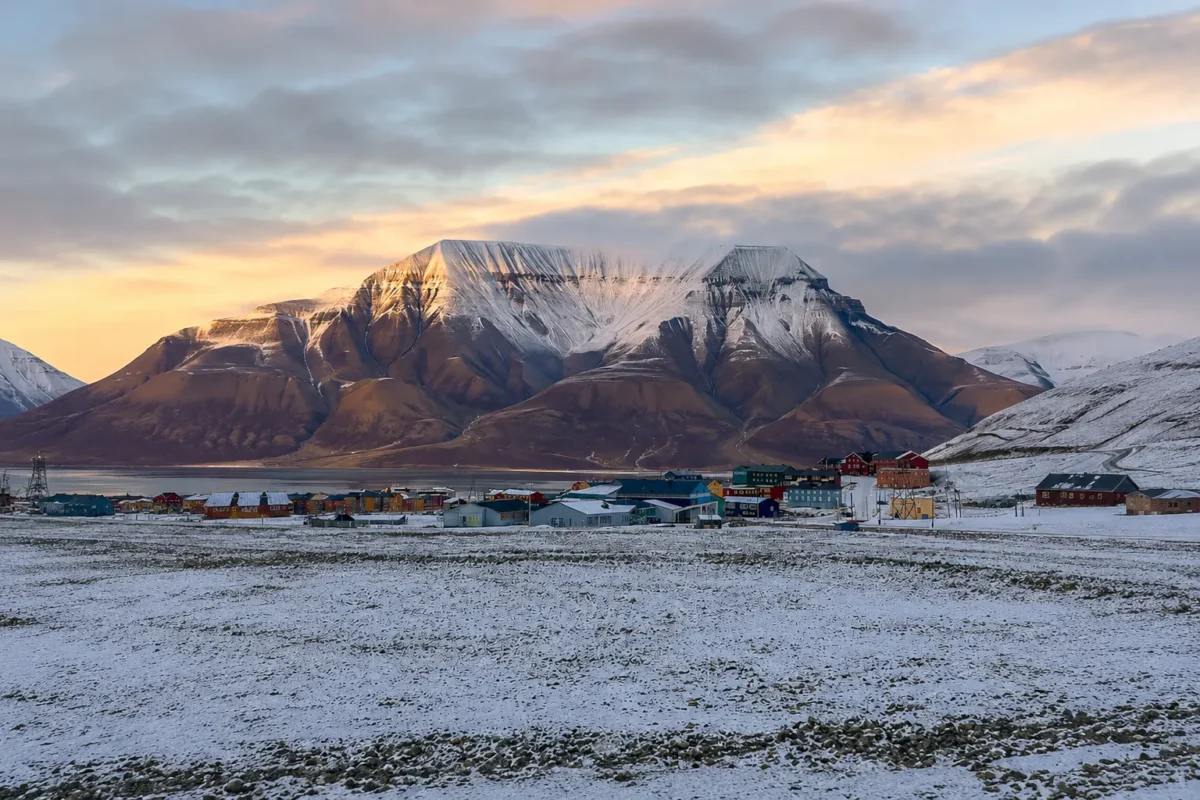
It started, as many strange places do, with money. Coal mining in Longyearbyen began in 1906, when American businessman John Munro Longyear established mining operations in the area. Workers followed, then families, then infrastructure. A rough mining camp slowly grew into something resembling a real town.
That chapter closed entirely in 2026. Mining operations at Mine 7 ended in July 2025, and on 4 May 2026, the entrance was officially sealed – with the key thrown into the tunnel as part of the closing ceremony. Over a century of Norwegian coal mining, done.
Today, Longyearbyen is something rarer – a community redefining itself at the edge of the world, with research, education, and tourism now leading the way. Many visitors now combine professional trips with bleisure travel.
ALSO READ: Reykjavík: The World’s Northernmost Capital City In Iceland
The Rules That Make Longyearbyen Unlike Anywhere Else
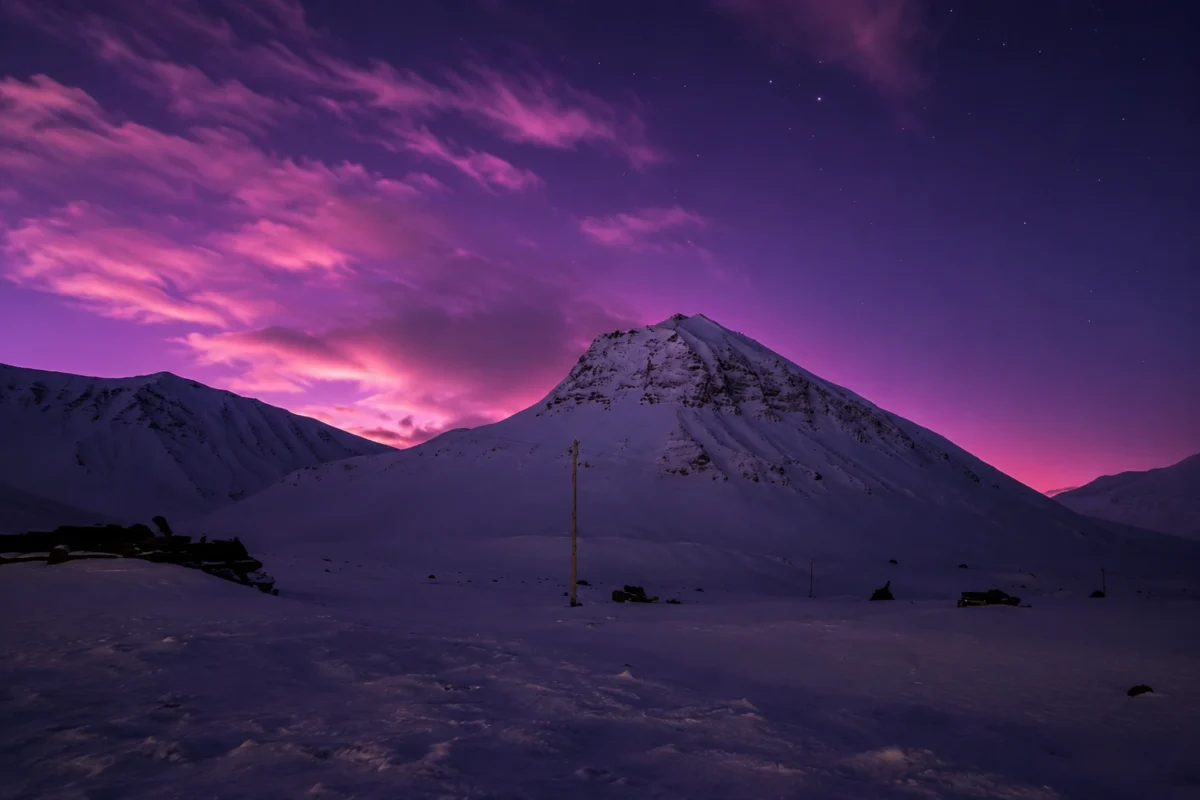
This is where things get interesting.
You cannot be buried in Longyearbyen. The reason lies beneath the ground: permafrost. The permanently frozen soil means that bodies do not decompose, raising genuine concerns about the preservation of disease. Formal burial restrictions were enacted decades ago as a result. If someone is terminally ill, they are flown to mainland Norway. Same for pregnant women – residents are transferred to the mainland at 36 weeks, though rare emergency births occur locally.
Then there are the polar bears. Under section 79a of the Svalbard Environmental Protection Act, leaving the settlement requires adequate means of polar bear deterrence, typically a 0.308 calibre rifle or similar high-calibre firearm for self-defence.
Cats are restricted because they threaten Arctic bird populations. Alcohol sales remain tightly controlled. Residents from nearly 60 nationalities live here – Thai immigrants form one of the town’s largest communities, and Filipino workers keep much of the hospitality sector running.
Oh, and take your shoes off at the door. Seriously – hotels, museums, even some restaurants expect it. It goes back to the mining era, nobody wanted coal dust tramped through their home, and somehow the habit just never left.
ALSO READ: A Guide To Top Tourist Attractions In Spain And What To See There
The Svalbard Global Seed Vault
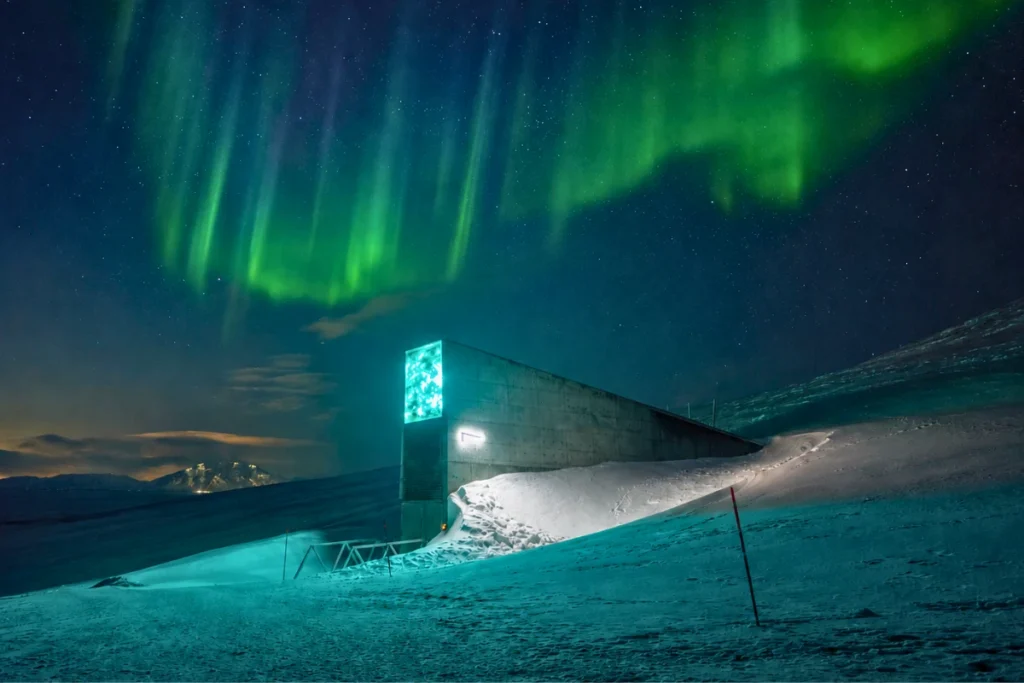
Just outside town, built into the permafrost of a mountain called Platåberget, sits one of the most important buildings on Earth. The Global Seed Vault was built to safeguard the world’s crop diversity – a backup for gene banks in case of natural disasters or climate change, often called the “Doomsday Ark.” It opened on 26 February 2008 and is owned by Norway’s Ministry of Agriculture and Food. The public cannot go inside, but the entrance – a wedge of concrete glowing in the Arctic dark – has become one of the most photographed structures in the north.
ALSO READ: How Is Life In Iceland, The Safest Country In the World?
Climate And What 2026 Looks Like
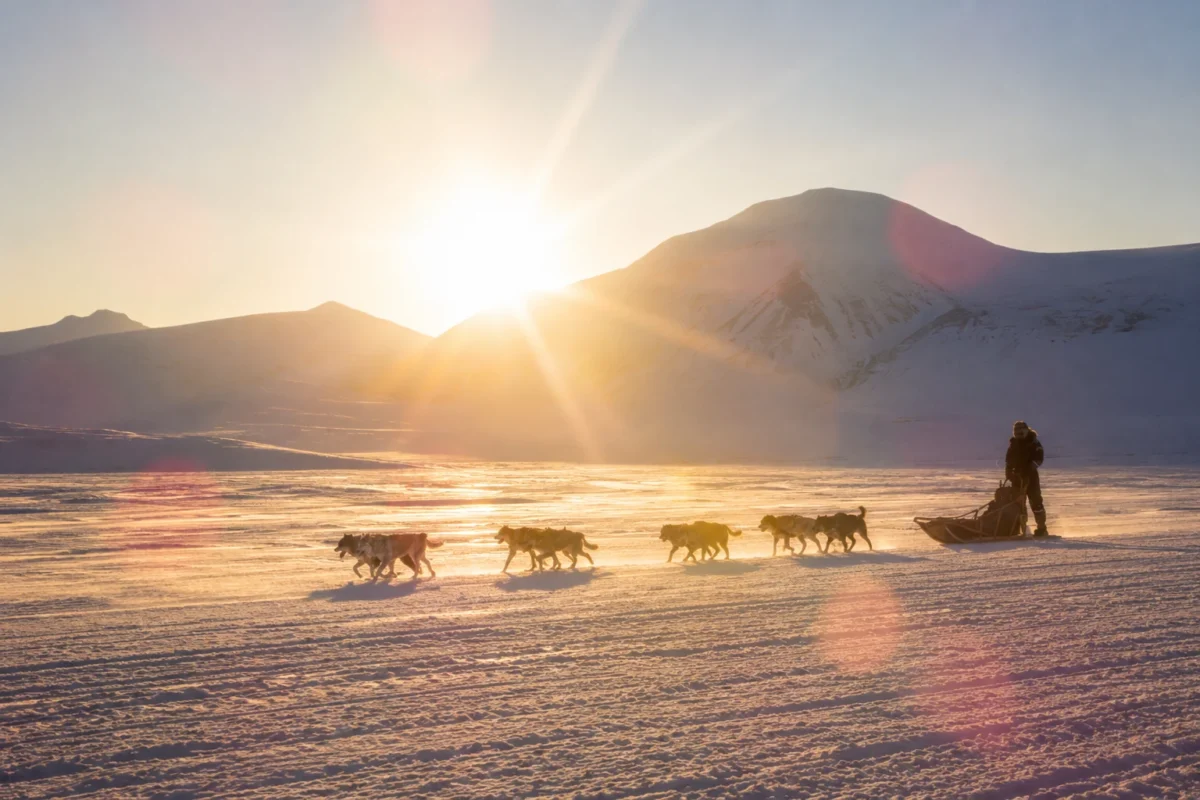
Longyearbyen sits in one of the fastest-warming places on the planet. Since 1970, average annual temperatures in Svalbard have risen by 4°C, with winter temperatures climbing more than 7°C, according to the Norwegian Centre for Climate Services.
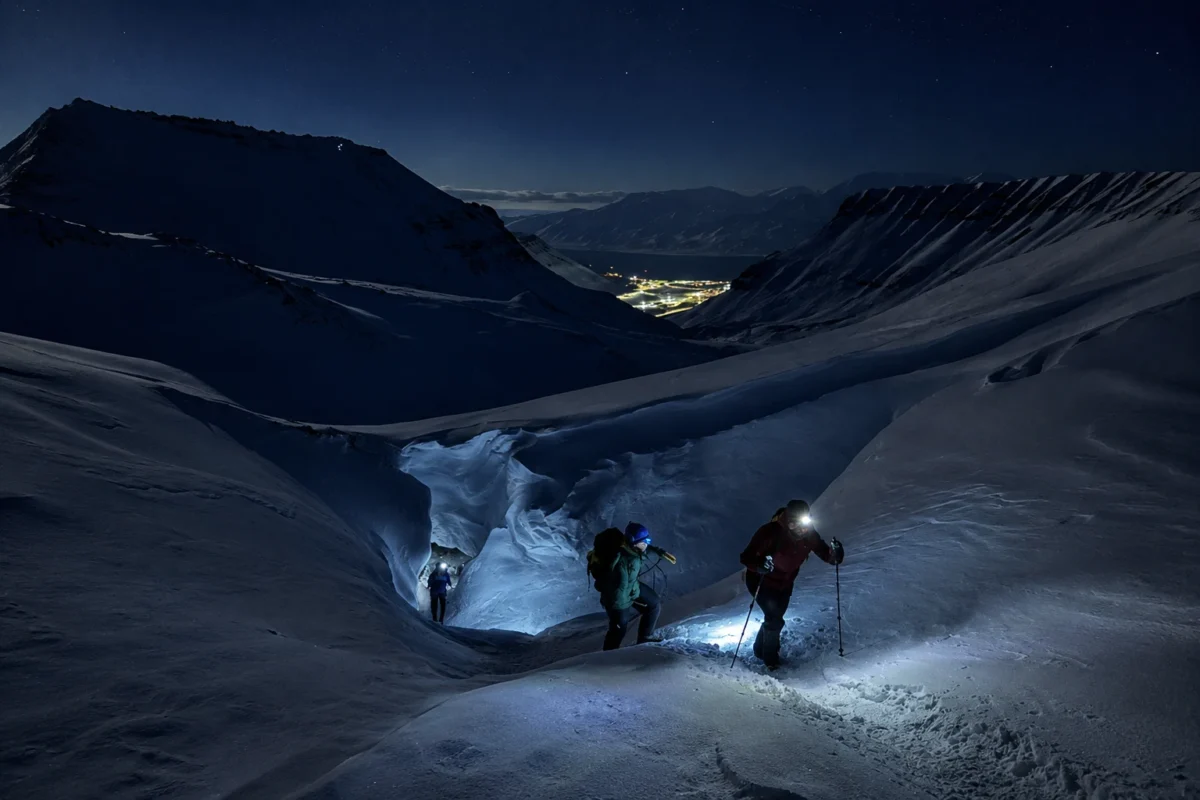
The seasons here are unlike anything in the UK. Polar night runs from late October to mid-February – weeks of total darkness. Then from April to August, the sun simply refuses to set. Similar extended daylight experiences can also be found in parts of Alaska during summer. Tourism has grown sharply to fill the economic gap left by mining, with 506 cruise ships carrying 67,000 passengers arriving in 2024 alone – a number that has doubled in under 15 years.
Longyearbyen At A Glance – 2026
| Detail | Facts |
|---|---|
| Location | 78°N, Spitsbergen, Svalbard, Norway |
| Population (2026) | ~2,512 |
| Distance from the North Pole | ~800 miles |
| Coal mining status | Permanently closed, 4th May 2026 |
| Main industries | Tourism, research, education |
| Polar night | Late October – mid-February |
| Midnight sun | April – August |
| Nationalities | 50+ |
ALSO READ: Tips for Stress-Free Adventures You Should Keep In Mind
FAQs
Q1. Is Longyearbyen Actually The World’s Northernmost City?
Technically yes, though it depends how you define “city.” There are a handful of settlements further north, but they’re basically research outposts – a few dozen people at most. Longyearbyen has over 2,512 residents, schools, restaurants, and a university centre. That’s a town by any reasonable measure.
Q2. Do You Really Need A Gun To Walk Around?
Inside town, no. But the moment you go past the settlement boundary, you’re legally required to carry bear protection – usually a signal pistol at minimum, plus a high-caliber firearm. Travelling with a licensed guide means you’re covered without carrying one yourself.
Q3. Can British Travellers Visit Without A Visa?
Svalbard itself is completely visa-free. The catch is you transit through mainland Norway, which means clearing Schengen border control in Oslo or Tromsø. British passport holders need to meet standard Schengen entry requirements for that stopover.
Q4. When Is The Best Time To Visit?
Depends what you’re after. November through February is peak northern lights season – dark, cold, genuinely spectacular. May through August gives you the midnight sun, wildlife, and hiking. Both are worth it for very different reasons.
Sources & References
- Polar Journal. (2026, May). Mine 7 closure ends Norwegian coal mining in Longyearbyen.
- Basecamp Explorer. (2026). From coal to culture: Longyearbyen’s transformation.
- Adventure.com. (2025). Norway’s new Arctic cruising rules: Polar bear sightings and tourism impact.
- Aurora Expeditions. (2024). 10 fun facts about Longyearbyen.
- High North News. (2024). Svalbard latest news and updates.
- Svalbard Adventures. (2024). Things you never knew about Svalbard.
- Deccan Chronicle. (2023). No birth or death allowed inside Norway’s unusual Arctic island of Svalbard.
- Wikipedia. (n.d.). Svalbard Global Seed Vault.
- Euronews. (2019, September 20). Norway’s last coal miners fight for survival against climate policy.
- Hurtigruten. (n.d.). Explore Svalbard, Norway.
Disclaimer: This article is provided for informational and educational purposes only. The information presented is based on publicly available sources and should not be considered professional, legal, travel, or governmental advice. Mention of locations, organisations, laws, or attractions does not constitute endorsement, promotion, or recommendation. Readers should independently verify current regulations, requirements, and travel conditions before making any decisions.