
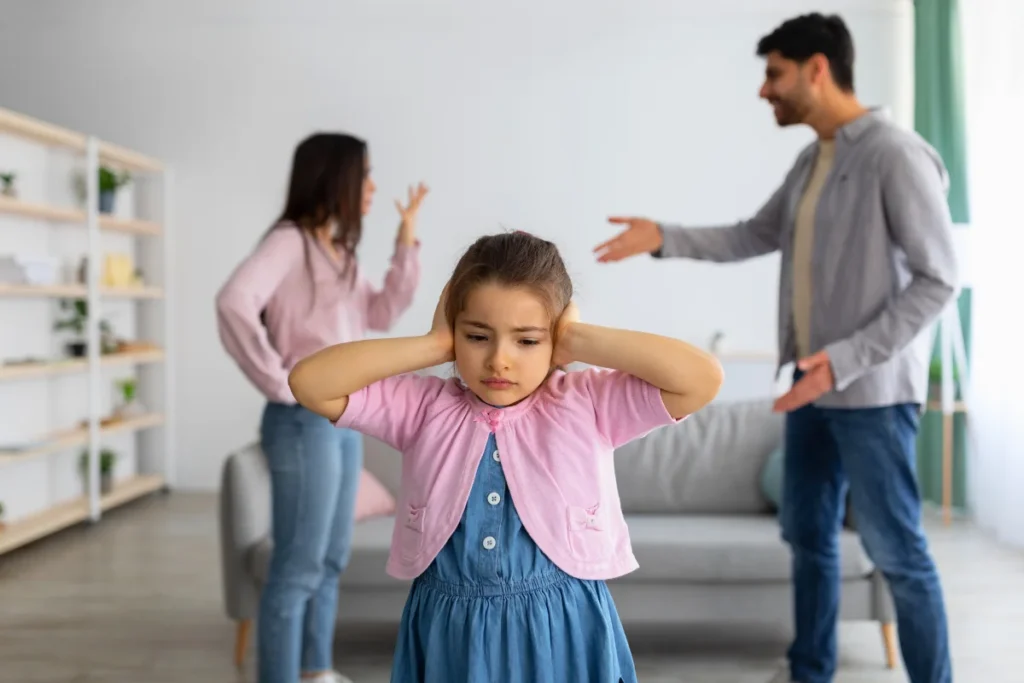
A child who has heard frightening news, seen something upsetting or lived through traumatic events may not walk into the kitchen and announce that they need help with it. They may ask one blunt question, refuse to sleep alone, complain of a sore stomach, or seem unusually irritable.
Adults often want to say the perfect thing, but children need something simpler. They need truthful words they can understand, a familiar adult who will listen, and enough routine to remind them that life still has shape. The aim is to help the child make sense of what happened without leaving them alone with guesses.
Start With What They Already Know
Before explaining anything, ask what they have heard. Children pick up fragments from television, playground talk, older siblings, social media and overheard adult conversations. A child may know far less than you fear, or they may have filled the gaps with something scarier than the truth.
Try a gentle opener such as “What have you heard about what happened?” Then let them answer without correcting every sentence straight away. You’re listening for facts, fears and misunderstandings, not waiting to deliver a prepared speech.
Children who have moved between homes may already know adults from social workers, schools and foster care agencies, so consistency in how information is shared matters. If several adults are involved, agree on the basic wording, so the child isn’t left trying to piece together different versions.
Honesty helps, but detail needs limits. “There was an accident, and people were hurt” may be enough for a younger child. Older children may need more context. Guidance on talking with children about traumatic events often starts with meeting the child where they are, not delivering an adult-sized account.
Match The Words To Their Stage
Age matters, but temperament matters too. Some seven-year-olds ask direct questions, while some teenagers shut down if they feel cornered. Use your child’s language, give a little information, then pause.
- Young children need short facts. Preschool and early primary children may not understand time, distance or probability well. If they have seen repeated footage, they may think the event is happening again. Say what happened in simple words, tell them what is being done now, and name the adults keeping them safe.
- Older children need room for questions. Primary-age children may want to know why it happened, whether someone died, or if school is safe. Answer only what they ask, then check what they understood. If you don’t know, say so and promise to find out if you can.
- Teenagers need respect, not a lecture. Many teens will already have seen posts, comments or videos. Ask what they’ve come across and how they’re making sense of it. They may need help sorting reliable information from rumours, but they’re more likely to listen if you don’t dismiss what they’ve read or felt.
ALSO READ: Patrick Mahomes Wife Brittany Mahomes and Her Postpartum Recovery Challenges
Watch What Behaviour Is Telling You
A child may say they’re fine because they don’t have the words, don’t want to upset you, or want the topic to go away. Their behaviour can speak before their language catches up.
Look for changes in sleep, appetite, play, concentration, toileting, clinginess, anger, withdrawal or physical complaints such as headaches and stomach aches. A sudden sensitivity to loud sounds, or a child cranking the TV up louder than usual, is also worth a second look — small ways to protect their hearing are just as much a part of steady, protective routines as watching for emotional changes. Younger children may replay events through toys or drawings. Older children might seem distracted, argumentative or glued to their phone.
A child drawing the same scene again may need you to sit nearby and say, “Tell me about this bit,” rather than ask a string of worried questions. A teenager watching distressing clips late at night may need limits, but also a conversation about why they feel pulled back to the footage.
Keep meals, school, bedtime and ordinary expectations as familiar as possible. That doesn’t mean pretending nothing happened. It means giving the child enough structure so their whole day doesn’t become organised around fear.
Keep Support Going After The First Conversation
The first talk is rarely the end of it. Children often return to the same question days later. Repetition can be their way of checking whether the answer still holds.
You can lower their exposure to upsetting images without hiding the world from them. Watch or read news before younger children see it, keep adult discussions away from little ears where possible, and talk to older children about pausing before sharing frightening posts. Reporting on children and traumatic news coverage has highlighted how media exposure can make distant events feel immediate, especially when graphic content spreads through phones.
Some reactions need extra help. If a child’s fear, sleep problems, aggression, sadness or withdrawal lasts for weeks, gets worse, or stops them managing school and daily life, speak to a GP, school pastoral lead or qualified mental health professional. Seek help sooner if the child talks about wanting to die, harming themselves or not feeling safe.
You don’t have to fix everything with one conversation. Keep the door open, answer honestly, protect them from unnecessary detail, and notice what changes over time. Children process frightening events in pieces, and a patient adult who keeps showing up can help those pieces feel less overwhelming.
Sources & References
- Centers for Disease Control and Prevention. (2026, January 12). Helping children cope with a disaster. CDC.
- HealthyChildren.org. (2026). Childhood trauma: 3 ways to help kids cope. American Academy of Pediatrics.
- Child Mind Institute. (2026). How to help children cope with trauma.
- National Health Service (NHS). (2025). Supporting children after frightening events.
- UNICEF. (2024). Helping children deal with distressing news and emergencies.
Disclaimer: This article is provided solely for informational and educational purposes and should not be considered professional medical, psychological, or legal advice. It is not intended to promote any individual, organisation, product, or service. Readers should consult qualified professionals for guidance specific to their circumstances and verify information from authoritative sources before making decisions.