
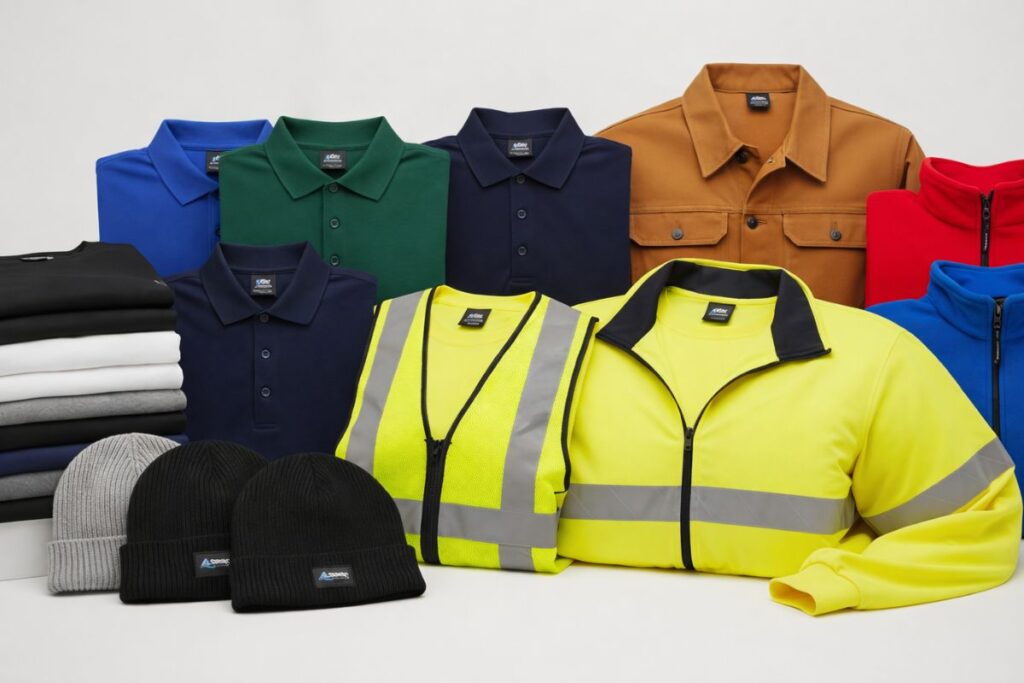
Modern workplaces are rarely classified into a single group. Now, many businesses—no matter how big or small—combine desk-based work with site visits, storage management, and customer-facing responsibilities.
This level of diversity demands the right clothing selection. Remember, a workwear kit must promote mobility, comfort, and appeal. The best part? Workers do not have to change their attire.
No matter which setting you are working in, building a versatile wardrobe is worth doing while staying within budget. Without careful planning, you cannot make it happen.
Understanding The Reality Of Mixed-Role Teams
Within a single shift, employees have to move in and out of office spaces, shop floors, and outside workspaces. Presentation, durability, and safety vary depending on settings. Most companies impose strict uniform policies, resulting in frustration or unwarranted spending.
However, flexible workwear helps workers to dress appropriately. This makes them look professional while keeping them ready for hands-on tasks at all times, resulting in enhanced morale and reduced wasted time. Similar workplace adaptations can be seen across evolving workplace trends.
Starting With Versatile Core Garments
Any successful kit relies heavily on adaptable must-have essentials. T-shirts and polos, which offer comfort and a refined look daily, are suitable to wear in diverse environments. Most companies prioritise producing t-shirt bundles to facilitate purchases without compromising product quality.
Investing in coordinated packs ensures that colours remain consistent across all departments, while costs remain controlled. Workers can easily layer such staples and perform both active and administrative tasks while wearing them.
Choosing Fabrics That Work Harder
For mixed-role clothing, material choice matters most. Breathable cotton works effectively at regulating temperature during movement.
Reinforced stitching also extends the item’s lifespan. Lightweight fabrics can reduce fatigue during long shifts, particularly when staff alternate between physical and seated work.
For maintaining a fresh appearance across varied tasks, moisture-wicking textiles are a strong option. When you opt for expertly designed clothing, you experience fewer replacements over time, a principle often highlighted in sustainability in business discussions.
Balancing Professional Appearance With Practical Needs
No matter how labour-intensive the role is, presentation remains paramount. When attending meetings and interacting with customers, appropriate dress offers a unified look. Neutral hues, modest branding, and clean lines can have a strong impact.
Another effective option is structured collar polos, which elevate casual attire without affecting comfort. In varied contexts, wearing such polos helps employees feel confident. A cohesive style across teams also strengthens a recognisable corporate identity, a topic frequently explored in corporate culture features.
Layering Options For Changing Environments
Every location—whether indoor offices, outdoor spaces, or storage rooms—can present different temperatures and conditions. This highlights the need for lightweight outer layers, such as zip-up tops or comfortable jackets.
When required, these garments provide warmth while allowing freedom of movement. Simple removal improves comfort and productivity, making layering essential for year-round versatility.
Footwear And Accessories That Support Flexibility
Clothing choices extend beyond garments alone. Comfortable, grippy footwear supports both standard office movement and walking across warehouse floors.
Depending on role requirements, basic accessories such as gloves, belts, or caps may be necessary. Neutral choices ensure these items enhance rather than detract from the core kit, reflecting practical insights shared in workplace safety coverage.
Creating A Kit That Evolves With The Team
Workplaces evolve, and dress codes evolve with them. Regular employee feedback helps identify what works well and what should be refined.
Introducing new colours, fits, or fabrics can keep the kit current without requiring a full overhaul. A dynamic plan allows workwear collections to expand alongside operational needs, promoting productivity across all roles.
ALSO READ: The Importance of Workplace Safety in London
Wrapping Up
A purposeful workwear set does not rely solely on rigid corporate guidelines. Instead, it focuses on comfort, flexibility, and practical decision-making. As organisations continue to support mixed-function teams, adaptable clothing remains essential for meeting real working conditions.
Disclaimer: This article is provided solely for informational and educational purposes. It does not constitute professional, technical, safety, or purchasing advice, nor should it be interpreted as an endorsement or promotion of any product, brand, or manufacturer mentioned. Readers should independently verify specifications and consult qualified professionals before making decisions related to welding equipment or workplace safety.