Gardens weren’t always designed for relaxing or entertaining. Years ago, they focused on lawns and simple borders. These days, things look quite different. Many gardens now act as extra living spaces. They’re places to unwind, host friends, or spend time with family. Demand for attractive and practical gardens has grown fast. Because of that, landscapers have expanded their landscaping skills and services. They’ve had to adapt, honestly. At the same time, changing lifestyles and environmental concerns have shaped what homeowners want outdoors. As a result, modern garden design blends style and function. And, oddly enough, that balance might have seemed unusual a generation ago.
Historical Foundations Of Garden Design
Traditional gardens served practical purposes as much as decorative ones. Families often used them to grow vegetables. They also dried clothes there. Children played there too. Formal layouts remained popular for years. Neat borders and carefully maintained lawns created a sense of order. They also gave homeowners something to feel proud of. Those ideas haven’t disappeared. Not at all. Modern gardens still use structure and organisation. The difference is that designers now shape those spaces around today’s lifestyles and everyday needs, much like contemporary home design.
The Rise Of Professional Landscaping And Design Expertise
Landscaping has come a long way from basic construction work. Many companies now offer design services too. That means homeowners can plan gardens that work well year-round. Professional landscapers often spot issues early. Poor drainage is one example. Unsuitable planting choices are another. Catching these problems before construction starts can save money. It can also save a fair amount of frustration. Planning ahead may seem obvious, but it makes a huge difference when the project gets underway.
Transition To Lifestyle-Focused Outdoor Spaces
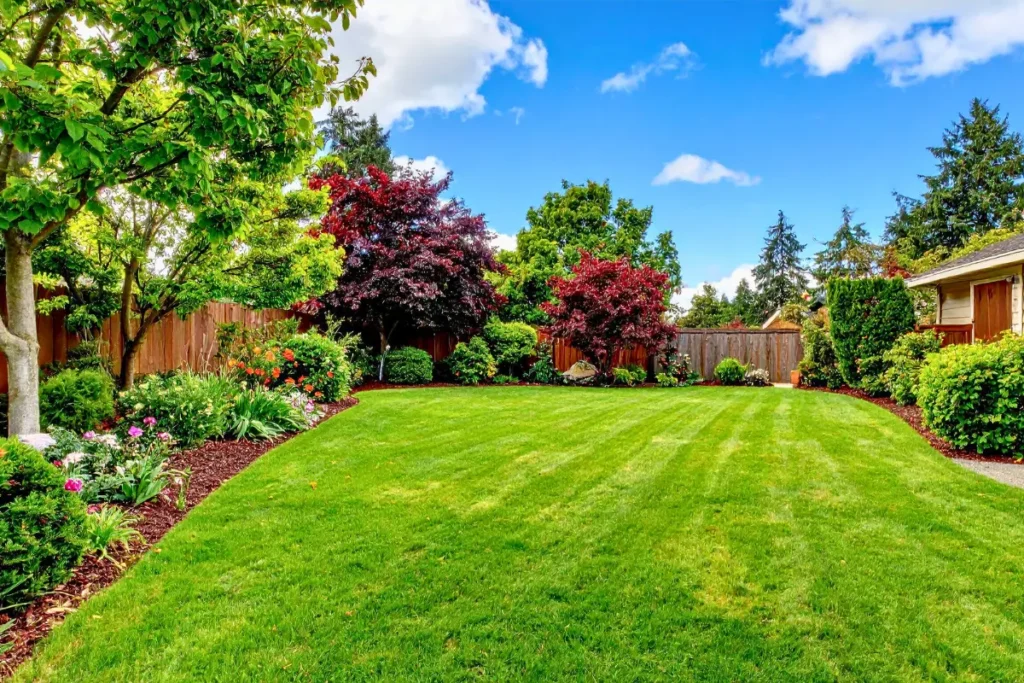
Today, many homeowners want more than a large lawn. They’d rather create spaces for relaxing, dining, or entertaining outdoors. Landscaping businesses have responded to that shift. Many now design gardens with several functions in mind. A typical project may include a patio area. It might also feature raised planting beds. Some homeowners add decorative fence panels that improve privacy. The goal is simple. Create separate zones without making the garden feel cramped. When it’s done well, the space feels bigger, not smaller. Funny how that works.
Sustainability And Technology Shaping Modern Design
Sustainability now plays a bigger role in garden design. Landscapers often recommend drought-tolerant plants. Rainwater collection systems are becoming more common too. These features help gardens handle changing weather conditions. Technology has changed the process as well. Designers can create detailed digital plans before work begins. Homeowners get a clearer picture of the finished result. That makes decisions easier. It also helps avoid costly changes later on. By thinking about maintenance from the start, you can build a garden that stays practical and attractive for years. That’s usually the goal, after all.
ALSO READ: How Property Insurance Needs Differ Between Urban and Rural UK Homes
Gardens Designed For The Way You Live
The evolution of landscaping reflects a wider change in how people see their homes. Outdoor spaces are no longer separate from daily life. They’re part of it. They shape how you relax, spend time with family, and enjoy your surroundings. Expectations will keep changing. That’s pretty much inevitable. As they do, landscaping businesses will continue helping homeowners adapt. They’ll help tackle new challenges and priorities. Whether you have a compact courtyard or a large garden plot, thoughtful design can make every bit of space work harder. The best gardens aren’t judged only by how they look. They’re remembered for how well they support the way you live.
Sources & References
- Garden UK. (2026, May 26). Best new ideas from RHS Chelsea 2026: Plant trends, design themes, and sustainable planting.
- Campbell, A. (2026, May 18). Best new garden ideas – What RHS Chelsea 2026 actually means for your garden. The Middle‑Sized Garden.
- Garden UK. (2026, May 6). Sustainable planting trends for UK gardens: Drought‑tolerant, prairie style, peat‑free, and climate‑adaptive design.
- Royal Horticultural Society. (2025, October). Climate‑resilient gardening: Adapting UK gardens for sustainability and lifestyle. RHS Publications.
- House & Garden UK. (2025, July). Lifestyle‑focused outdoor spaces: How modern garden design blends style and function.
Disclaimer: This article is provided solely for informational and educational purposes. The information presented does not constitute professional landscaping, gardening, environmental, or property-related advice, nor is it intended to promote any specific product, service, organisation, or website. Readers should conduct their own research and consult qualified professionals before making decisions based on the content discussed herein.