
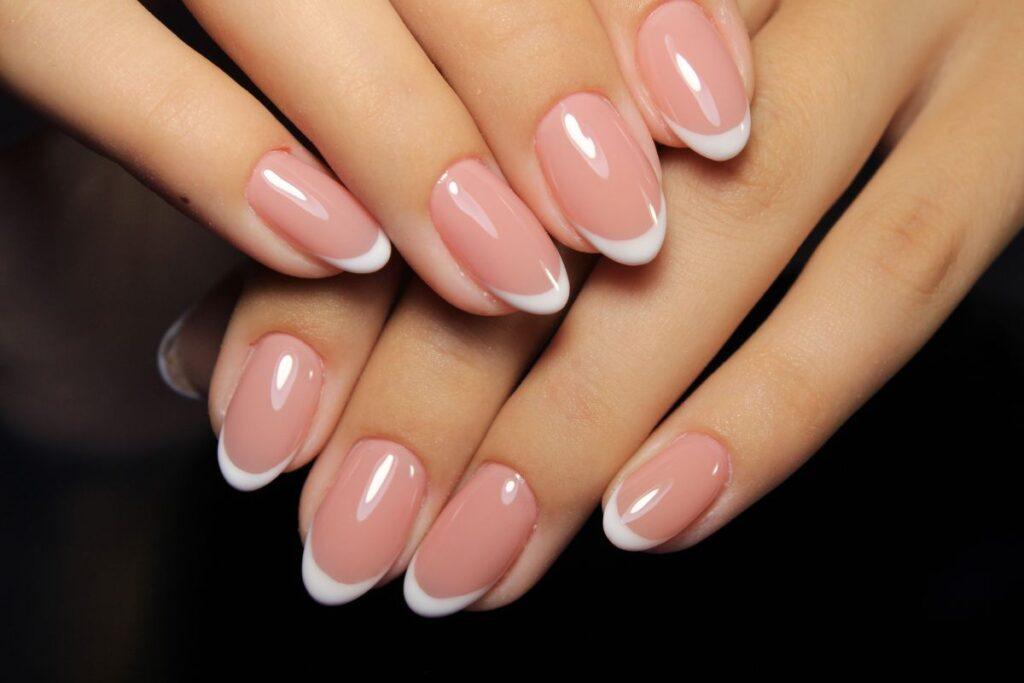
Bio nails are gel treatments that look after your natural nail while it wears colour. A feeding base goes on first, then a flexible gel is brushed on and cured. The name covers Bio Gel and Bio Sculpture, and most sets hold three to four weeks.
- Thin layers are brushed on, shaped, and set under a UV or LED lamp.
- It’s mostly vegan, odourless, and free of the harsh stuff found in acrylics.
- It lasts for a minimum of three weeks; four is normal, and some hit six.
- It soaks off, so nobody scrapes at your nail plate.
- It costs about £30 in the UK, with higher prices for art or top tech.
What Exactly Are Bio Nails?
“Bio nails” isn’t one product in a box. It’s a broad term for gel systems that focus on nail health, not just on colour.
The gel goes on with a small brush, layer by layer, gets shaped and cured, and weeks later soaks off. Formulas skip the aggressive chemicals in acrylic, so nails don’t end up papery. Studio Sérénité, in its guide, flags the rest: these gels are usually vegan, cruelty-free, and free from formaldehyde, toluene, and DBP. They go on natural nails, a tip, or an extension.
ALSO READ: Biotin Rich Food: Ultimate Guide To Top Sources for Healthy Hair and Nails
Bio Gel Nails
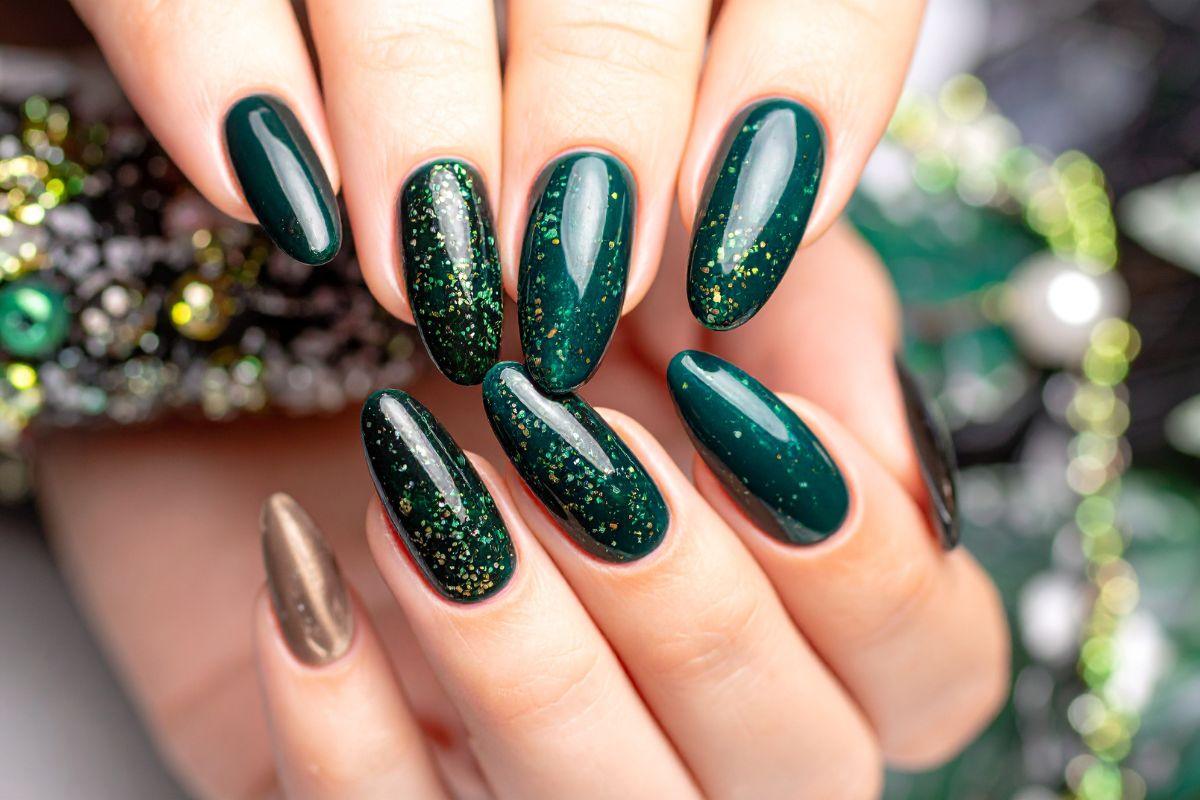
Bio gel is thick, and that’s the point. It sits over weak, brittle nails like a shield, yet stays flexible enough to build length. The team at V Beauty Pure stresses that it isn’t self-levelling, so your tech works it round the plate by hand.
The nourishing part is a vitamin drop that absorbs before any gel is applied to the nail. Pigmented bio-gel exists too, so you can skip gel polish.
Application, start to finish: anti-fungal spray, then file, buff, and shape without over-filing. Base coat to the centre of the nail. Gripping base gel, thin and even, cured for 30 seconds, then a second and third layer, cured each. Cleanse and file. Three thin coats of colour gel, curing between each layer. Gloss gel for 30 seconds, then cleanse and apply cuticle oil.
Refills are done every two to four weeks: filled back, regrowth filled, re-coloured, and glossed.
What Is Bio Sculpture Nail?
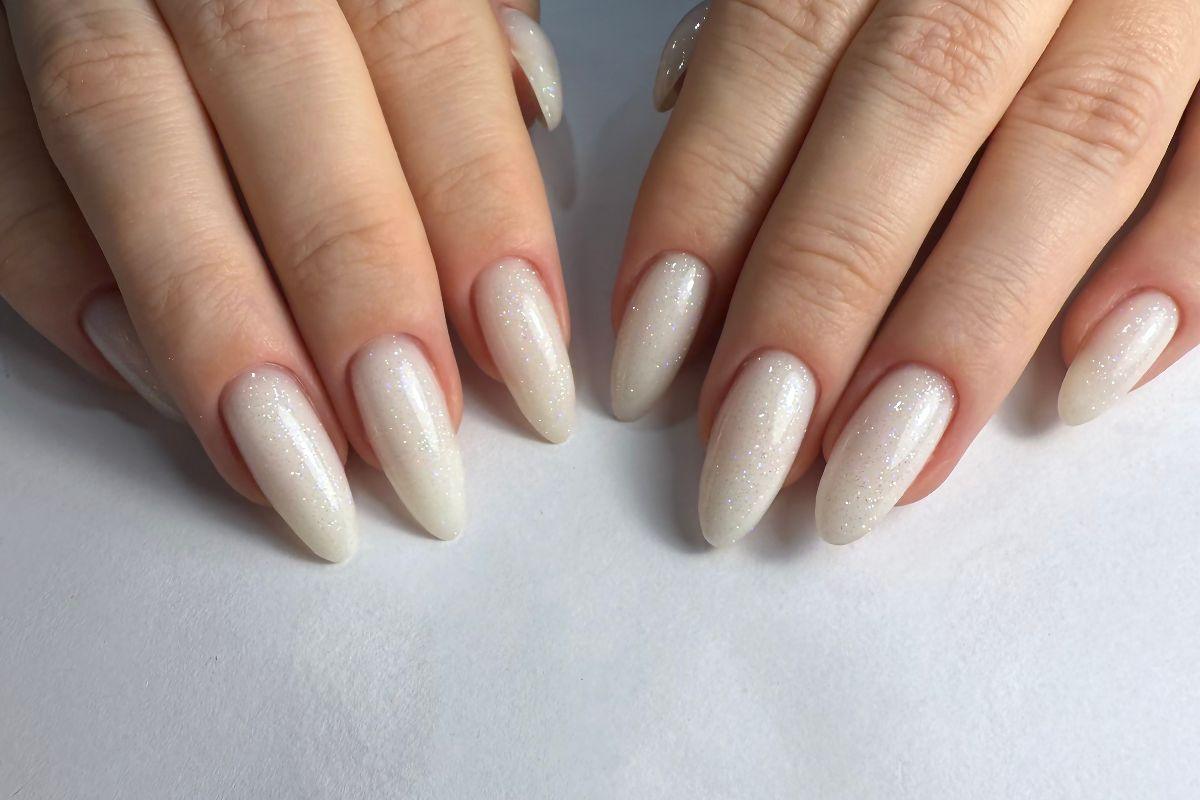
Elmien Scholtz started Bio Sculpture in South Africa in 1988, building the world’s first soak-off gel system. It sells in over 40 countries now.
BIOGEL is the original pot-and-brush formula, with over 200 colours, allowing artists to use their own brushes. Evo is that formula in a bottle. Gemini isn’t gel at all; it’s a polish with plant extracts and UV filters. Ethos, the sister brand, does the oils, exfoliators and vitamin-rich bases that go on first. “Bio Sculpt” is just a mispronunciation. Across the ranges sit roughly 390 shades, and Pillar Box Red, launched in 1990, still sells.
The clever part is the base, or rather a wardrobe of them. Choose a lavender base for weak, damaged nails, a volcanic base if yours are split, or Contour for something closer to BIAB. Your tech reads your nails, then prescribes.
Megan Evans from Dryby London told Woman & Home: “It’s a vegan, toxic-free, and damage-free gel, meaning your nails will stay healthy while wearing gel, unlike other brands.”
Techs can’t just order it either. They pass an accredited course first, so fewer salons stock it. There’s an online finder for verified salons and mobile techs.
ALSO READ: Why Self-Care in 2026 Looks Less Like Bubble Baths and More Like Refusing to Be Rushed
Bio Gel Vs Bio Sculpture: The Difference
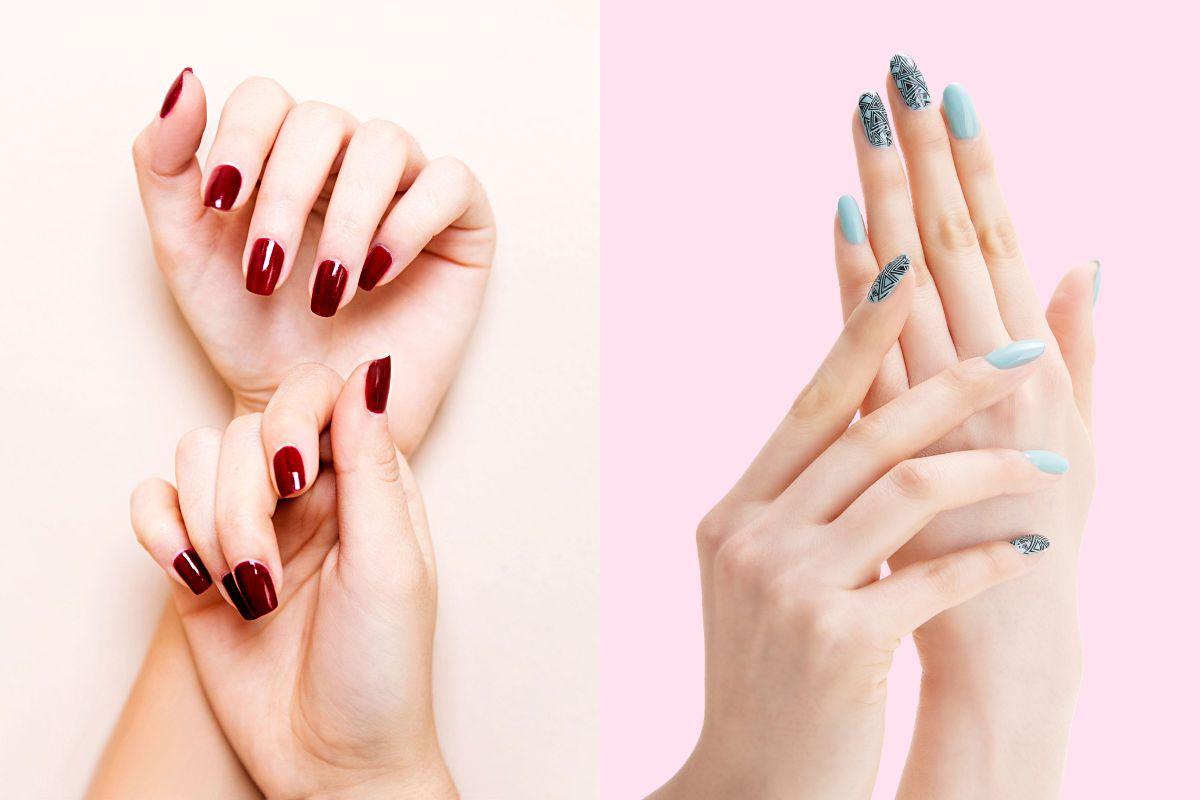
Bio-gel is a product type. Bio Sculpture is a brand, a system, and a training course.
Bio gel gives one vitamin drop; Bio Sculpture picks a base for your nail type. Both soak off, unlike hard gel and PolyGel, where filing is the only way off, and there’s no treatment involved.
Against acrylic, it isn’t close: no powder-and-liquid mixing, no etching, no smell, gentler filing, and more give. Dip powder loses on the same points, and it smells.
The Treatment, Step By Step
Budget an hour, removal aside.
Your tech starts by actually looking at your nails, often with a few health tips. Hands are cleaned so the gel grips; you pick a shape, then file, buff, and do cuticle work. Manual prep was the rule for years; e-files are allowed now, with the same finish either way.
Paul Edmonds London uses the EVO BIO oxidising base, which allows the nail to breathe; one coat is usually applied, and two coats are recommended for weaker nails. Unsure on colour? A skilled tech tests it against your skin tone.
Two or three coats of gel follow, cured each time, with thumbs often done separately for full lamp exposure. Top coat, a check for rough edges, cuticle oil, hand cream, and massage. Who What Wear’s beauty director Shannon Lawlor rates that prep above all else.
How Long Do Bio Nails Last?
Three weeks is the floor, not the ceiling. Julia Diogo, resident manicurist at Liberty London, says, “Nails last 3+ weeks and help your nails to grow long in just a few appointments.”
London manicurist Leah Parr sees longer: “Most of my clients’ manicures last four weeks,” adding, “I’ve even had someone come in after eight weeks with them all still on.”
Diogo also tucks polish under the cuticle fold so grow-out takes longer to show. Beyond that, it’s nail growth and daily wear.
How Removal Works
Buff the shine off the top layer. Soak a cotton pad in acetone, press it on, wrap in foil, and leave for ten to fifteen minutes. The gel then crumbles or pops off in one piece. Finish with cuticle oil. Never pick it off; you’ll take layers of nail with it.
Keeping Them Looking Good
Gloves for washing up, cuticle oil daily, and hand cream often.
Pros, Cons And UK Prices
Pros: stronger nails, real growth, full-wear gloss, simple removal, and a colour range that nothing else matches.
Cons: it still cures under a lamp, and the American Academy of Dermatology links UV exposure to hand ageing and raised skin cancer risk, so UV gloves are sensible. You can’t change colour at home while wearing it, and there are fewer salons. The price starts near £30, and £40 is common, and famous London artists charge into the hundreds.
ALSO READ: What Are Good Skin Care Products For Sensitive Skin? A Proper Guide That Actually Helps
FAQs
Q1: Are Bio-Nails Better For Your Nails Than Normal Gel?
Usually yes. The base feeds the nail and prep needs less filing, so you dodge the usual peeling.
Q2: How Long Do Bio Nails Last?
Three to four weeks for most. Many people stretch them to five or six weeks before the grow-out shows.
Q3: Can Bio-Nails Go On Natural Nails?
Yes. They work as an overlay for strength, and length can be sculpted too.
Q4: Does Removal Damage Your Nails?
Not when soaked off properly. Ten to fifteen minutes in acetone and it lifts away.
Q5: What Do Bio-Nails Cost In The UK?
Prices start at around £30, with £40 to £60 being typical in cities. Art and removal cost more.
Q6: Can I Put Normal Polish Over Bio Nails?
Better not. Regular polish and its remover dull the top coat and mess with the gel.
Sources & References
- Woman & Home – “It’s a vegan, toxic-free, and damage-free gel, meaning your nails will stay healthy while wearing gel, unlike other brands.”
- V Beauty Pure – “It isn’t self-levelling, so your tech works it around the plate by hand.”
- Who What Wear – “Director Shannon Lawlor rates the mentioned prep above all else.”
- Studio Serenite – “These gels are usually vegan, cruelty-free, and free from formaldehyde, toluene, and DBP.”
Disclaimer: This article is provided solely for informational purposes and does not constitute professional advice or brand promotion. Readers should verify all facts independently and seek professional guidance before undertaking any nail treatments or cosmetic procedures.