
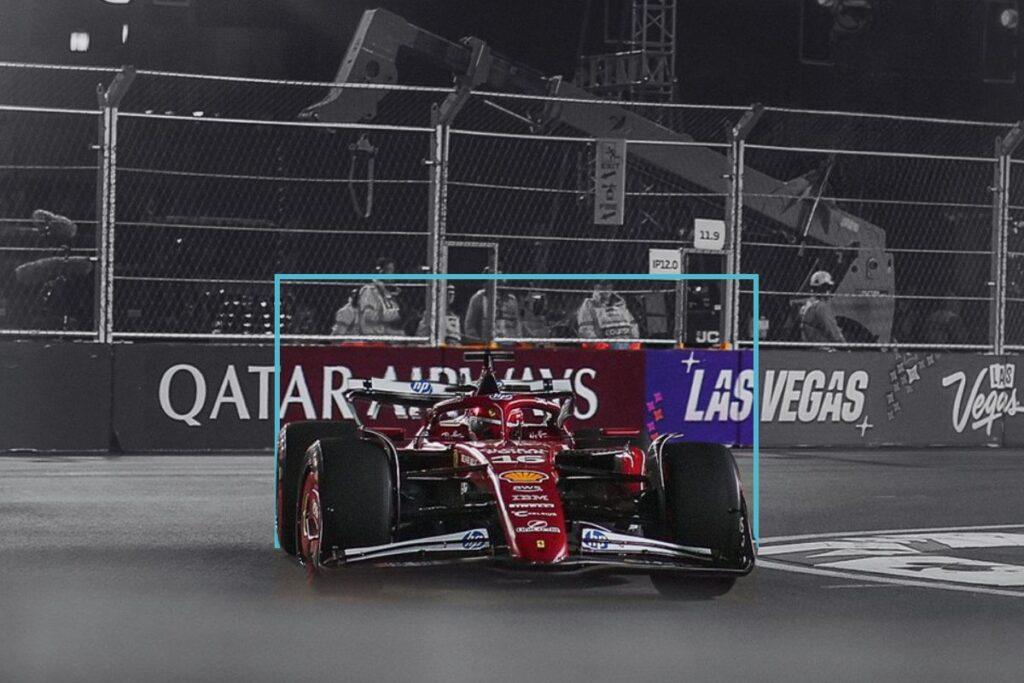
Charles Leclerc went fastest in Las Vegas Grand Prix practice Thursday night. His Ferrari costs roughly £13 million before anyone even fires it up. That’s more than most people’s houses.
So how much does an F1 race car cost, really? Between £10 million and £16 million depending on the team. But that’s just building the thing. Development, testing, and crashes all add up fast.
How Much Does an F1 Race Car Cost – The Basic Numbers
A modern F1 car costs £13 to £16 million to build. Red Bull estimated theirs at £15 million back in 2022. Prices haven’t dropped since.
That figure only covers the physical car sitting in the garage. It doesn’t include the hundreds of millions spent designing it or developing upgrades. Before 2021, top teams were spending over £280 million yearly. Absolutely bonkers.
Why They Cost So Much
Every part of the Formula 1 racing car costs stupid amounts because nothing’s mass-produced. Teams build maybe three or four cars per season. Compare that to regular road cars made by thousands and costs shoot through the roof.
How much does an F1 car costs to build depends massively on individual bits. The power unit alone costs £6 million to £8 million. That’s two-thirds of the entire car for engine and hybrid systems alone. The chassis is £500,000 to £700,000. Constructed of carbon fibre, twice as strong as steel yet five times lighter. The front and rear wings are around £200,000-£250,000 a pair.
Teams are constantly redesigning them, so they burn through tonnes in a season. The gearboxes are worth £275,000 to £400,000 apiece. Drivers get only five per season before facing grid penalties. Even small bits add up fast. Steering wheel? £40,000 to £50,000. Single wheel bearing? £1,100. Driveshafts? £7,000 each.
The Budget Cap Changed Things
F1 introduced a cost cap in 2021. For 2025, teams can spend roughly £105 million on performance stuff. That’s down from £280 million plus before the cap.
This covers research, development, testing, race operations, and building cars. Doesn’t include driver salaries, marketing, or the three highest-paid people at each team. Power units have a separate cap of £75 million from 2025.
The budget cap created proper headaches. Red Bull laid off over 90 people to stay within limits. Mercedes cut 40 staff. Every crash now hurts massively because repair costs eat into development budgets.
How much does a Red Bull F1 car cost to fix after a crash? A big shunt can easily cost £750,000 or more in parts. That’s £750,000 not spent developing upgrades. Logan Sargeant’s repeated crashes cost Williams several million quid, which partly explains why he’s gone.
The budget cap forces teams to work smarter instead of throwing money at problems. Made competition fairer too. Smaller teams can actually compete now.
Race Weekend Costs
Building the car is just the start. Actually racing it costs loads. Tyres alone run over £35,000 per driver per weekend. Pirelli supplies all teams with soft, medium, and hard compounds plus wet weather tyres. Teams go through loads of sets.
Fuel costs money. Transporting everything to 24 races costs a fortune. Team personnel, hotels, flights. Las Vegas this weekend involves flying entire teams and equipment to Nevada, setting up temporary facilities, then packing up and shipping to Qatar next week.
Las Vegas Grand Prix In 2025
Leclerc was the fastest in opening practice Thursday night, beating Williams’ Alex Albon by 0.166 of a second. High-speed, low-downforce tracks tend to favour some cars over others. McLaren’s Lando Norris and Oscar Piastri struggled for pace.
Norris has a 24-point lead over his teammate with 58 points still available after Vegas. He can’t clinch the title this weekend but extending his lead matters.
Track temperature in Vegas is freezing compared to most F1 circuits. Cold tyres and a dirty track made opening practice tricky. Norris kissed the wall at Turn 9 and went deep at Turn 12 a couple of times. George Russell was victorious here last year, and the Briton placed ninth in first practice, seven tenths adrift of Leclerc.
Max Verstappen ran fourth fastest behind Yuki Tsunoda. His Red Bull looked competitive on straights but struggled slightly in slower corners. Carlos Sainz in the other Ferrari finished ahead of both McLarens.
The race happens Saturday night at 11pm ET. Proper late for East Coast viewers but gives European fans a rare breakfast-time F1 race. Runs on Saturday because of how Vegas works.
Historical Bit
The most expensive F1 car ever sold was a 1954 Mercedes-Benz W196 that went for £41 million in February 2025. Juan Manuel Fangio drove it to multiple wins. Its aerodynamic design and historical importance made it priceless.
Modern F1 cars will never be worth that much because hundreds more exist. But they’re far more advanced in technology. Hybrid power units in 2025 cars produce over 1,000 horsepower whilst recovering energy through electrical systems. Limited to 13,000 rpm.
Safety improved massively since Fangio’s era. The Halo device costs around £15,000 but saves lives. Romain Grosjean walked away from a 200mph fireball crash in 2020 because Halo protected his head.
Why Costs Keep Rising
Research never stops. Teams spend thousands of hours in wind tunnels. They use 3D-printed prototypes, trying different designs. Advanced computer simulations run constantly. All costs serious money even with a budget cap.
Materials keep getting more expensive. Carbon fibre, titanium, specialist composites. Necessary for speed and safety but don’t come cheap. Regulations require extensive crash testing, which adds more expense.
Limited production drives costs up. If road car manufacturers made only three vehicles per model, those would cost millions too. Economies of scale don’t exist in F1. Everything’s bespoke.
Technology advanced so much that even basic components involve sophisticated engineering. A wheel bearing in a road car costs maybe £20. In F1, it’s £1,100 because it needs to perform under extreme conditions whilst weighing almost nothing.
Future Of F1 Costs
The budget cap will rise to around £172 million from 2026 to accommodate new regulations and Audi’s entry. Several items previously exempt will be included in the new cap.
New power unit regulations in 2026 will change everything. More electrical power, less fuel power. Teams are already spending loads developing 2026 cars, which means 2025 has seen fewer upgrades. Most teams are focusing resources on next year’s massive regulation change.
Costs will probably keep rising despite the cap because inflation affects everything from materials to staff salaries. Teams will keep pushing boundaries within whatever limits exist. That’s racing.
What This Means
These astronomical costs explain why new teams rarely enter F1. You need hundreds of millions just to be competitive. Even then, success isn’t guaranteed. Haas spent loads yet struggled near the back.
The budget cap made racing closer, which benefits fans. More teams can win now. Races are less predictable. Brilliant for viewers, even if it creates headaches for teams.
Vegas this weekend cost over £300 million to set up the circuit and facilities. The race generated a huge economic impact for the city. F1’s become a proper spectacle in America, with three races showing how much the sport‘s grown stateside.
Bottom Line
How much does an F1 race car cost to build? Between £10 million and £16 million for the physical car. Another £90 million spent on development, testing, and operations to stay within the budget cap. Total spending runs around £105 million per team for everything performance-related.
These aren’t just expensive toys. They’re engineering masterpieces representing decades of innovation. Every component is designed for maximum performance under extreme conditions.
Watching Leclerc blast round Vegas this weekend in a £15 million Ferrari puts costs in perspective. That car represents thousands of people’s work over months. When it crosses the line, all that investment either pays off or needs rethinking.
F1 will always be expensive. The day it becomes cheap is the day it stops being the pinnacle of motorsport. Teams will keep finding ways to spend every penny allowed chasing tiny performance gains. That’s what makes it brilliant.
Disclaimer: This article is provided for informational purposes only. While reasonable efforts have been made to ensure the accuracy and reliability of the information presented, no guarantee is made regarding its completeness, accuracy, or timeliness. The content does not constitute any specialised advice and should not be relied upon as such. Readers are encouraged to conduct their own research and consult qualified professionals before making any decisions based on the information contained in this article.





This article adds so much value to the conversation around this topic.