
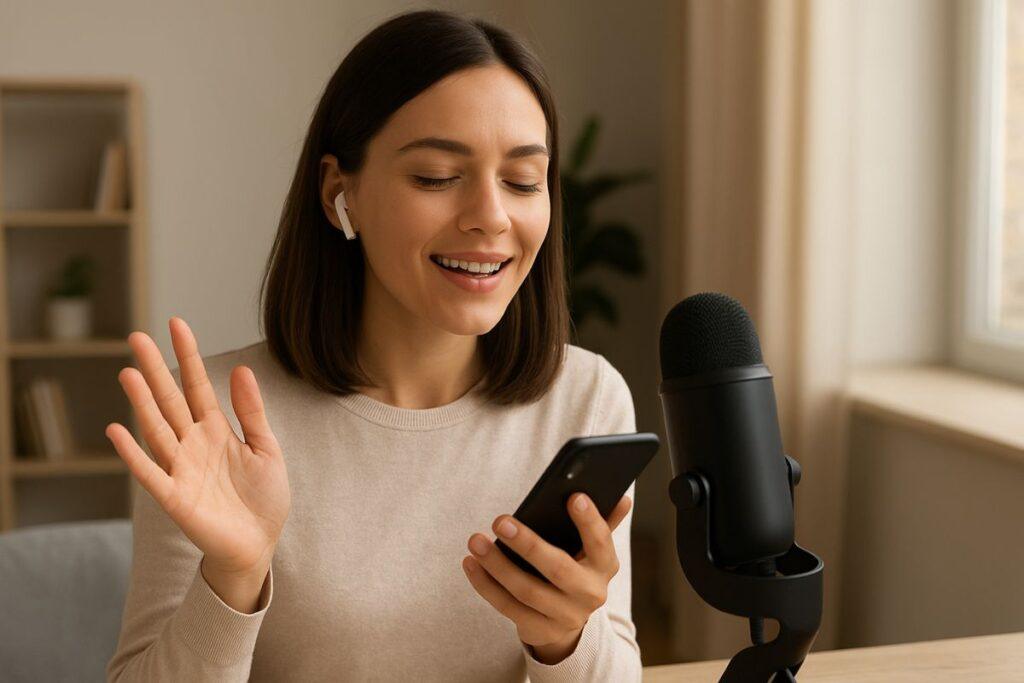
Take a moment and think about your day. How much of it actually involves listening? Probably more than you realize. Maybe it’s a podcast while you’re stuck in traffic, a YouTube video you half-watch while chopping veggies, or that short news clip you scroll through during lunch.
Sound’s everywhere. We’re swimming in it, honestly—and our hunger for audio just keeps growing. But behind all that listening, something kind of wild is happening. Quietly, almost invisibly, text to speech technology has been changing the whole game.
It used to sound, well… clunky. Robotic. Like a GPS from 2008. But not anymore. Modern AI voices? They’re scarily good. They’ve learned tone, emotion, rhythm—all the little nuances that make speech feel alive. Sometimes you forget it’s not a real person talking.
And if you’re a creator, marketer, teacher, or even a solo entrepreneur trying to reach more people—learning how to use this stuff can totally shift how you connect with your audience.
From Awkward to Authentic
If you’ve ever heard one of those old-school text to speech voices, you remember the pain. Awkward pauses, wrong emphasis, zero emotion. The whole thing sounded like a robot reading a grocery list.
But over the last decade? Total transformation. Artificial intelligence and natural language processing have pushed it into a whole new era.
Now these AI voices don’t just “read.” They perform. They sense when to sound excited, serious, warm, or even empathetic. That subtle shift—understanding the meaning behind the words—has made text to speech an absolute must-have tool in all kinds of industries.
Why Everyone Is Turning To Text To Speech
So why’s everyone suddenly jumping on the bandwagon? Easy—it saves time, money, and frustration. And somehow, it still sounds professional.
If you’re a content creator, no more spending hours recording voiceovers or hiring talent just to update a few lines. Educators can turn those long, boring chunks of text into lively audio lessons students actually want to listen to.
Businesses love it too. They can generate consistent, polished voice content in multiple languages without breaking their budgets—or their sanity.
And here’s the thing a lot of people overlook: accessibility. For folks with visual impairments or reading challenges, this isn’t just convenient—it’s life-changing. It makes knowledge open, approachable, and inclusive.
Real-Life Applications You Might Not Have Thought Of
When we think of text to speech, we picture Alexa or e-learning apps. But honestly, it’s showing up everywhere. Some examples might surprise you.
Podcasts And Audiobooks
Not everyone’s got a radio-ready voice or time to sit in front of a mic. AI voiceovers can take a written post, blog, or newsletter and—boom—turn it into smooth, studio-quality audio. It’s huge for creators who want to reach people that prefer to listen instead of read.
Video Voiceovers
Marketers, YouTubers, small business owners—they’re all using AI-generated narration for ads, tutorials, explainer clips, you name it. It’s fast, scalable, affordable. Perfect when you’ve got a ton of content to pump out regularly.
Multilingual Customer Support
This one’s clever. Companies can now offer customer service in multiple languages without hiring an entire international team. Text to speech plus translation equals instant global reach.
Education And E-Learning
Teachers and course creators use it to make lessons sound more human, more engaging. Some students process information way better through sound than reading. For them, this tech is a total game-changer.
Smart Devices And Interactive Experiences
From GPS apps to smart home assistants, text to speech gives technology a literal voice. It makes our interactions smoother—and a bit more personal, too.
Making Text To Speech Work For You
Getting started is surprisingly easy. You don’t need to be tech-savvy or own fancy gear. Just type or paste your text into a tool, pick a voice, and hit play.
If you’re curious, start small. Take a blog post, a tweet thread, a newsletter—whatever—and convert it into audio. Hearing your words spoken out loud? It hits different. You might find it way more engaging than plain text.
A solid text to speech generator can instantly turn your writing into lifelike audio that’s ready for podcasts, videos, or accessibility features. It’s a simple way to make your content sound more dynamic, more personal, and a whole lot more inclusive.
Tips For Natural-Sounding Voiceovers
Even with advanced AI, a few tricks can help make your audio sound extra authentic.
Keep Sentences Short And Conversational
AI voices handle natural, chatty writing better than complex stuff. So ditch the stiff tone. Write like you talk.
Use Punctuation Wisely
Commas, dashes, and periods aren’t just grammar—they tell the AI where to breathe. Small tweaks here can totally change the rhythm and flow.
Pick The Right Voice
Most tools give you options—male, female, cheerful, calm, formal, relaxed. Play around with them. The right voice can make or break the vibe of your project.
Listen And Refine
Don’t just hit “generate” and call it a day. Listen. Adjust pacing, emphasis, or even rephrase bits that sound off. Tiny edits can make it feel genuinely human.
Why Voice Matters More Than Ever
There’s something deeply personal about audio. A voice can connect in ways text just can’t. It feels intimate, like someone’s talking to you, not at you.
Think about when you listen to a podcast on your commute, or when you ask your smart speaker a random question instead of typing it. That’s where we’re headed—toward hands-free, voice-driven everything.
For creators and brands, text to speech technology isn’t replacing human touch. It’s extending it. It’s letting your words travel further, reaching people wherever they are—in their cars, kitchens, or earbuds at the gym.
The Future Sounds Exciting
Here’s the fun part. We’re only at the beginning. AI voices are going to get even more sophisticated—like, scary good. Researchers are teaching them subtle emotional cues: sarcasm, joy, even empathy.
Soon, it won’t be crazy to hear your favourite author narrate their new book—or your teacher explaining something in your own language. That’s not sci-fi anymore. It’s basically on the doorstep.
ALSO READ: How Construction Consultants Improve Project Outcomes
Wrapping Up
Text to speech tech is honestly one of the coolest things happening in communication right now. It’s flipping how we create, share, and absorb information.
Whether you’re a marketer, teacher, content creator, or just curious, give it a shot. You don’t need special gear or deep tech skills. A few clicks and you’ve got a natural-sounding voice reading your words—anytime, anywhere.
It’s wild how something so simple can make your message feel more human. But that’s the magic of it, isn’t it?
Disclaimer: This content is provided for informational purposes only and does not constitute any advice. Readers should independently verify details and consult with qualified professionals before making any decisions. The information presented is not intended to promote any specific individual, provider or service. We are not responsible for any actions taken based on this content.




The structure and flow of the article make it a pleasure to read.
Clear explanations and strong points throughout. Truly impressive work