
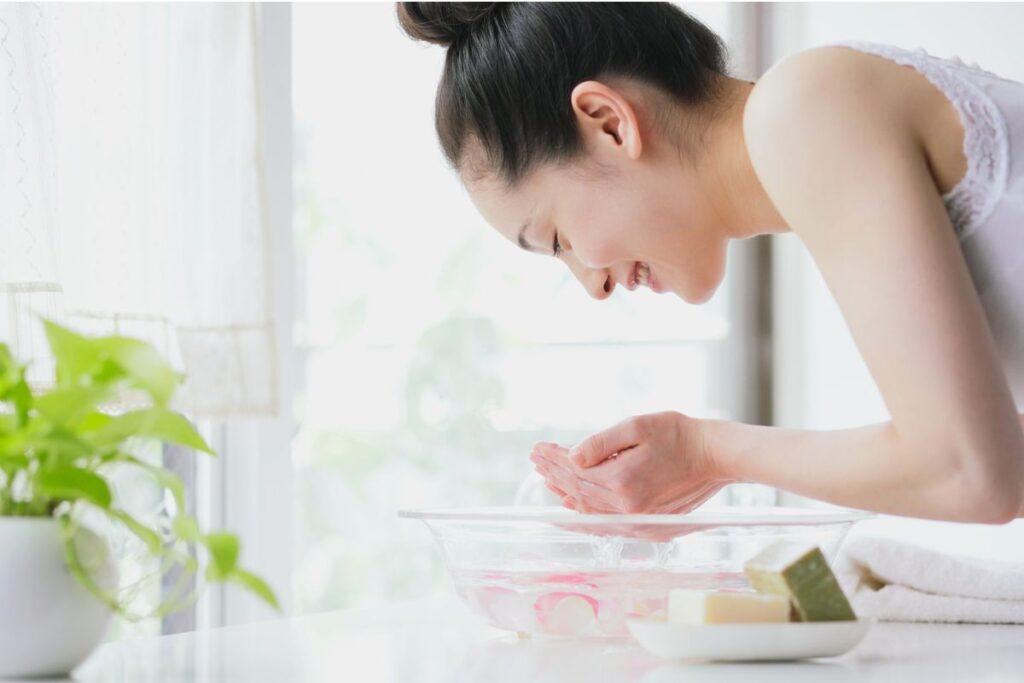
The Korean skincare routine has ten steps on paper. In practice, only three really carry the weight: cleanse properly, wear SPF 30+ every single morning, and moisturise if your skin actually asks for it. The other seven steps? They’re extras. Nice to have, not need to have. Add them only if your skin genuinely wants them — not because a routine on the internet says you should.
- Cleansing, Sunscreen And (For Dry Skin) Moisturiser do most of the heavy lifting.
- Toner, Essence, Sheet Masks And Eye Cream are nice extras, not necessities.
- Use SPF 30 Or Higher with solid UVA protection every morning, no exceptions.
- Add One New Product At A Time. That way you can actually spot what’s irritating your skin.
- More Steps Don’t Automatically Mean Better Skin. Consistency does the real work.
Where The 10 Steps Came From
The routine caught on outside Korea because it’s gentle and layered, and honestly, there’s something logical about it. Thin, watery products go on first. Richer ones follow after. It’s a handy framework, sure. It also fits the wider wellness boom, the same energy behind the biohacking spa wellness trend, where piling on more treatments often gets mistaken for better results. But it was never meant to be a rulebook you follow to the letter — think of it more like a menu you pick from.
So here’s what each step actually does, and whether you can get away with skipping it.
ALSO READ: What Are Good Skin Care Products For Sensitive Skin? A Proper Guide That Actually Helps
The 10 Steps, One At A Time
1. Oil Cleanser. This melts off sunscreen, make-up and built-up sebum. It’s genuinely useful at night if you’ve worn SPF or make-up that day. Bare face? Skip it, no harm done.
2. Water-based Cleanser. This one removes sweat and whatever residue is left behind. Steps 1 and 2 together make up what’s called “double cleansing.” The American Academy of Dermatology (AAD) recommends washing twice a day and after heavy sweating, always with lukewarm water. Over-washing doesn’t help — if anything, it strips your skin and makes things worse.
3. Exfoliator. This loosens dead skin cells sitting on the surface. Use a gentle one once or twice a week, max. If your skin stings afterward or starts looking shiny and tight, you’re overdoing it — ease off.
4. Toner. In K-beauty, toners are meant to hydrate, not strip the skin like old-school Western toners did. They feel nice going on. But essential? Not really. Skip it without a shred of guilt.
5. Essence. A light, watery hydrator that’s big in Korea. A decent serum or moisturiser can do more or less the same job, so don’t stress if you don’t have one. What you eat matters too, and a few biotin-rich food choices can support skin, hair and nails from the inside.
6. Serum Or Ampoule. This is the targeted step — vitamin C, niacinamide, retinoids, that sort of thing. Worth having if you’ve got a specific concern, like dark marks or breakouts. No specific concern? Skip it for now. If you’d rather start with your plate than a new bottle, read up on the benefits of cherries for skin first.
7. Sheet Mask. A weekly treat, not a daily habit. It gives a short-term hydration boost, and that’s about it. Fine as a once-in-a-while thing. If you want a more hands-on ritual than a mask, gua sha massage is another low-cost option.
8. Eye Cream. The skin around your eyes is thinner, yes, but a regular moisturiser often does the job fine there too. Optional, and honestly a bit overhyped. Puffiness is often blamed on the eye area, and drinks like dandelion tea get mentioned a lot for it, though it’s worth reading the benefits and risks before you try it.
9. Moisturiser. This helps seal in water and support your skin’s barrier. The AAD says to apply moisturiser if your skin feels dry or itchy. If your skin runs oily, a lighter formula is probably all you need.
10. Sunscreen (Morning Only). This is the one step you should never, ever skip.
Why Sunscreen Is The Real Hero
Sun damage drives most visible ageing — not genetics, not diet, mostly sun. The Skin Cancer Foundation puts it plainly: photoaging accounts for roughly 90 percent of visible skin changes. That’s a staggering number when you sit with it for a second.
The AAD recommends SPF 30 or higher, broad-spectrum, water-resistant. SPF 30 blocks about 97% of UVB rays, which sounds like a lot until you remember that last 3% still adds up over a lifetime of exposure. Reapply roughly every two hours when you’re outdoors — most people don’t, and it shows later.
In the UK, the NHS advises at least SPF 30 and at least 4-star UVA protection. For full-body coverage, they suggest around 6 to 8 teaspoons — which is more than most people actually use. Studies on sunscreen application have repeatedly found that the average person applies only 25 to 50 percent of the recommended amount, which quietly cuts the real-world SPF in half or worse.
Essential Or Optional? A Quick Table
| Step | Verdict | Who Benefits Most |
|---|---|---|
| Oil cleanser | Situational | Anyone wearing SPF or make-up |
| Water-based cleanser | Essential | Everyone |
| Exfoliator | Occasional | Rough or congested skin |
| Toner | Skip | Optional for dry skin |
| Essence | Skip | Optional |
| Serum/ampoule | Targeted | People with a specific concern |
| Sheet mask | Skip | Occasional treat |
| Eye cream | Skip | Optional |
| Moisturiser | Usually yes | Dry or tight skin especially |
| Sunscreen | Essential | Everyone, every morning |
Table Source: my own editorial judgement, informed by AAD and NHS guidance linked above. Not an official ranking, just a practical one.
A Sensible Starter Routine
- Morning: rinse or cleanse, moisturise if needed, then SPF 30+.
- Evening: cleanse (double cleanse if you wore SPF or make-up), then moisturise.
That’s really it. Once your skin settles after a few weeks, you can add one serum for one concern. Introduce products one at a time — that way, if something irritates your skin, you’ll actually know what caused it instead of guessing.
ALSO READ: Why Self-Care in 2026 Looks Less Like Bubble Baths and More Like Refusing to Be Rushed
FAQs
Q1: Do I Need All 10 Steps Of A Korean Skincare Routine?
No. Cleansing, sunscreen, and, if your skin is dry, moisturiser cover the essentials. Everything else is optional; let’s be real about that.
Q2: Which Steps Can I Skip?
Most people can skip toner, essence, sheet masks and eye cream without noticing a difference. An oil cleanser is also unnecessary if you didn’t wear SPF or make-up that day.
Q3: What Order Should I Apply Products In?
Go thinnest to thickest: cleanser first, then any serum, then moisturiser. Sunscreen goes last in the morning, always.
Q4: Is Double Cleansing Necessary?
Only on days you’ve worn sunscreen, make-up or heavy products. On bare-skin days, one gentle cleanse covers it just fine.
Q5: How Long Until I See Results?
Hydration can feel noticeably better within days, oddly enough. Dark marks and similar concerns usually take weeks of consistent use before you see real change, though sunscreen starts protecting against further damage the moment you apply it.
Disclaimer: The content provided in this article is intended strictly for general informational and educational purposes only and should not be construed as medical, dermatological, or commercial promotional advice. Readers are strongly advised to verify all health-related facts and consult a qualified medical professional or dermatologist before starting any new skincare regimen. We accept no liability for any actions taken based on the information provided herein.