
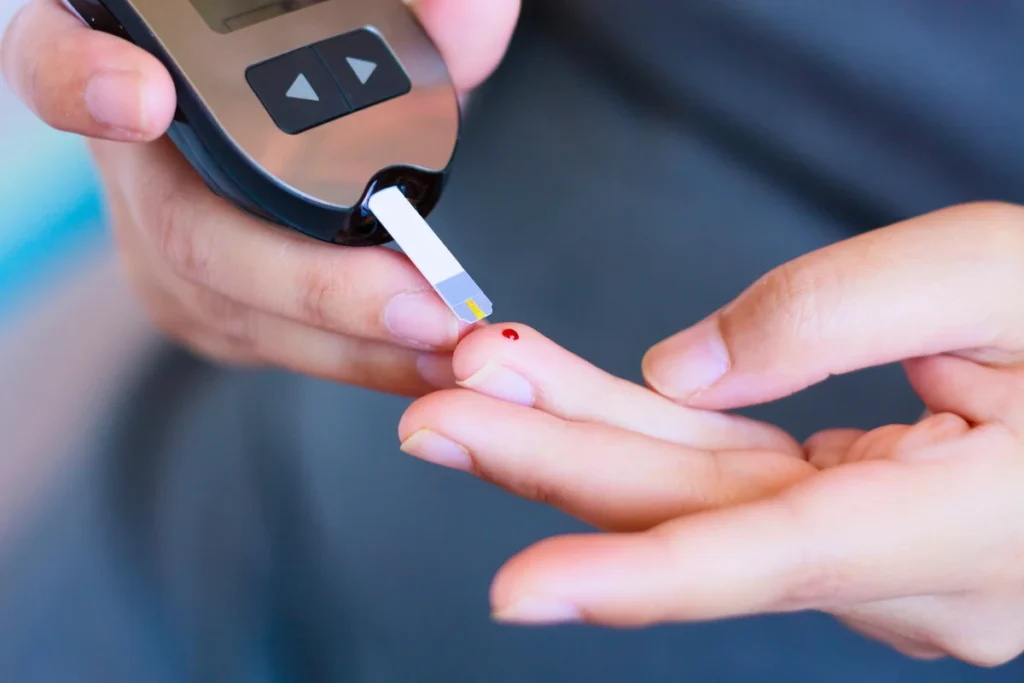
A GLP-1 receptor agonist is a medication that copies one of your gut hormones to take the edge off your appetite and bring blood sugar down. The GLP-1 receptor agonist started as a diabetes treatment and now is used for obesity too.
In barely twenty years this class has flipped metabolic medicine on its head. Weekly jabs, daily pills, the lot. Let’s get into how they work, who they’re for, and what’s next.
Key Points
- GLP-1 medication copy a gut hormone to curb blood sugar and appetite.
- They’re used for type 2 diabetes and, more and more, obesity.
- You’ll know the big names: Ozempic, Wegovy, Mounjaro, and Zepbound.
- The perks go past the scales, to your heart and kidneys.
- Stop taking them, and the weight tends to pile back on.
What Is A GLP-1 Receptor Agonist?
The name’s a proper mouthful, so let’s break it down. GLP-1 is a hormone your small intestine pumps out after a meal. A guide from Cleveland Clinic lays it out: it sparks insulin, blocks glucagon, slows digestion and makes you feel full.
A GLP-1 receptor agonist is just a lab-made stand-in that hits the same receptors and does the same job.
How Does It Work?
The science behind it is rather clever. Wikipedia explains that flipping the GLP-1 switch slows your stomach emptying, reins in glucagon and ramps up insulin, which keeps blood sugar steady.
It also pokes the fullness centres in your brain, so you eat less and lose weight over time. Here’s the snag: natural GLP-1 lasts about two minutes before an enzyme chews it up. So they tweaked the molecule to last longer — which is why some jabs are daily and others weekly.
The Names You May Have Heard
There’s a fair few on the market now. You’ve got dulaglutide (Trulicity), liraglutide (Victoza and Saxenda), lixisenatide (Adlyxin) and semaglutide (Ozempic, Rybelsus and Wegovy). Tirzepatide (Mounjaro and Zepbound) is a clever two-in-one, hitting both GLP-1 and GIP.
Exenatide (Byetta and Bydureon) was first approved in 2005, though it was pulled in 2024. Three jabs are signed off purely for weight: Wegovy, Zepbound and Saxenda. And an oral semaglutide pill landed FDA approval in December 2025, with mass production kicking off in January 2026.
What Doctors Prescribe Them For
Two things, mainly: type 2 diabetes and obesity. Obesity treatment is increasingly moving beyond diet-only approaches toward broader metabolic health strategies.
A state-of-the-art review on ScienceDirect makes the point that guidelines now reach for these medications as the first injectable for type 2 diabetes, even before insulin.
They’re aimed at people with a BMI of 30-plus, or 27-plus if something like high blood pressure is in the mix. Researchers aren’t stopping there either — they’re testing them on fatty liver disease, PCOS, and even addiction.
Being Used Beyond Sugar And Weight
Analysis published by The New England Journal of Medicine flags that big trials show these medications cut heart risk and slow kidney failure in people who are most at risk.
One 2021 round-up of studies even found a 12% drop in deaths from any cause among users with type 2 diabetes. They can also nudge down blood pressure, tidy up cholesterol and ease a fatty liver.
ALSO READ: How Root Of Burdock Helps With Skin, Gut, And Daily Health
Side Effects
No medication’s perfect, and these have their gripes. The big one is your gut — nausea, vomiting and the runs, which are usually worst when you start or bump up the dose.
Nausea hits up to three in four people with the short-acting ones. There’s also a boxed warning about a rare thyroid cancer, so it’s not recommended if it runs in your family.
They’re not safe in pregnancy either, and pairing them with insulin or sulfonylureas can send your blood sugar too low.
AstraZeneca’s New Oral GLP-1 Aids Weight Loss And Lowers Blood Sugar
The pipeline’s heaving, and one fresh name is turning heads. Reporting in The Lancet covers elecoglipron, AstraZeneca’s oral small-molecule GLP-1. In the Phase 2b SOLSTICE trial across nine countries, it knocked blood sugar down more than a placebo in people with type 2 diabetes.
For obesity, the top dose drove up to 10.5% weight loss at 26 weeks and 11.8% by 36 weeks. The side effects? Same old story — mostly nausea. A Phase 3 programme is scheduled for late 2026.
The Cost And Weight Creeping Back
Two things keep the hype in check. First, the price. These medications are pricey, and cost is the number-one reason people in the US pack them in.
Second, the weight has a habit of returning — studies show folks regain 50-70% of what they lost within a year of stopping and often end up back where they started within 18 months. They work best with diet, exercise and a proper long game – not a magic fix.
ALSO READ: Forearm Exercises That Build Grip Strength and Muscle Definition Fast
Frequently Asked Questions
Are GLP-1 Medications Only For Diabetes?
Ans: Nope. They started out for diabetes, but plenty now treat obesity too. Some are also being studied for liver disease, PCOS and addiction.
How Do You Take GLP-1 Receptor Agonists?
Ans: Most are injections under the skin, given daily or weekly. A handful of pills now exist too, including a semaglutide tablet and AstraZeneca’s elecoglipron in trials.
Do You Put The Weight Back On After Stopping?
Ans: Usually, yeah. People tend to regain 50-70% of their weight within a year and often drift back to their old weight within 18 months.
Can Anyone Take One?
Ans: No. They’re unsafe in pregnancy and not an option for anyone with a history of medullary thyroid cancer. Your doctor makes the call.
Why Are GLP-1 Receptor Agonists So Expensive?
Ans: They’re locked behind loads of patents – around 20 each, lasting roughly 18 years on average. That keeps cheaper copies out of the shops.
Sources & References
- The New England Journal of Medicine. (2025). GLP‑1 receptor agonists reduce heart risk and slow kidney failure in high‑risk patients.
- ScienceDirect. (2020). GLP‑1 receptor agonists: Beyond glycemic control.
- Cleveland Clinic. (n.d.). GLP‑1 agonists: How they work and what they do. Cleveland Clinic Health Library.
- Wikipedia. (n.d.). GLP‑1 receptor agonist.
Disclaimer: This article is provided solely for informational and educational purposes. It is not intended to promote, advertise, endorse, or recommend any medication, treatment, healthcare provider, or commercial product. Readers should consult qualified healthcare professionals before making any medical or health-related decisions. The information presented should not be considered medical advice, diagnosis, or treatment guidance.