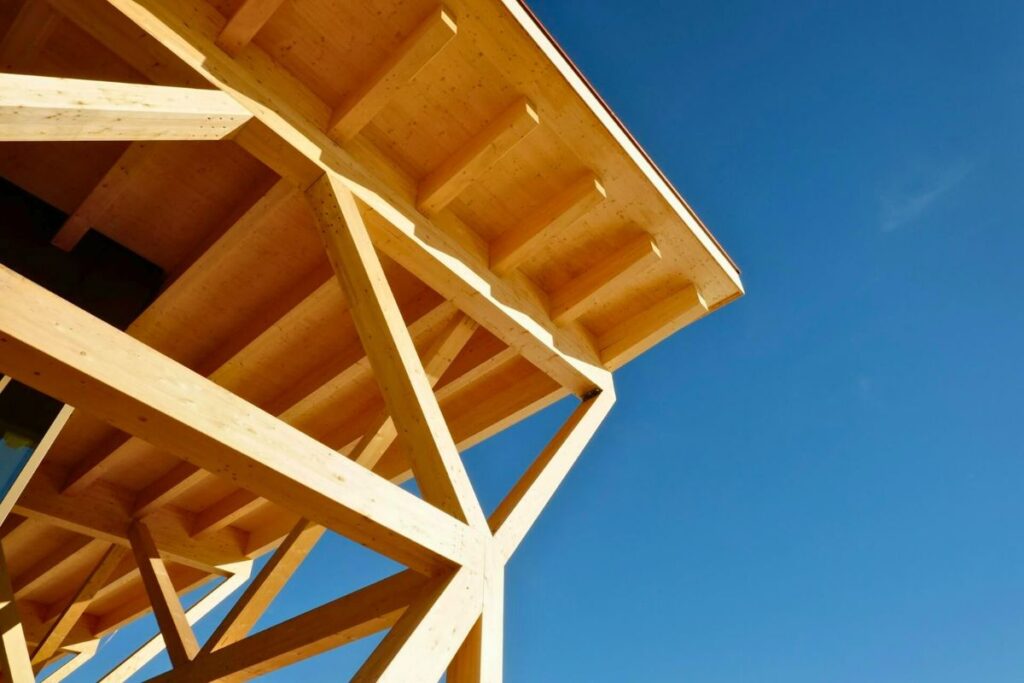
Modern building developments are increasingly turning to timber to get those all important BREEAM and LEED certifications ticked off. By incorporating high-spec wood into the structural framework of a building, developers can make a real dent in the overall Global Warming Potential (GWP) of the project, compared to using high carbon materials like concrete or virgin steel.
For anyone looking to achieve a similar high-performance build, working with an established supplier like Timber Store Ltd gives you access to the right structural grades and seasoned materials needed for major projects – just give them a visit to see what they can offer. Their involvement in all sorts of domestic and commercial builds here in the UK shows just how engineered wood can handle heavy loads while still keeping a negative carbon footprint.
Modern building developments are increasingly turning to timber to get those all important BREEAM and LEED certifications ticked off. By incorporating high-spec wood into the structural framework of a building, developers can make a real dent in the overall Global Warming Potential (GWP) of the project, compared to using high carbon materials like concrete or virgin steel.
For anyone looking to achieve a similar high-performance build, working with an established supplier like Timber Store Ltd gives you access to the right structural grades and seasoned materials needed for major projects – just give them a visit to see what they can offer. Their involvement in all sorts of domestic and commercial builds here in the UK shows just how engineered wood can handle heavy loads while still keeping a negative carbon footprint.
Getting To Grips With Sustainable Timber Sourcing
Getting sustainable timber sourcing right relies on some sound silviculture management – basically, making sure you’re not chopping down trees too fast – which means the forest can still regenerate and keep its biodiversity intact. Here in the UK, there’s a rulebook called the UK Timber Regulation (UKTR) which ensures that any timber that’s been logged in ways that aren’t allowed isn’t being sold to us. This means that every bit of wood we use is helping to keep the forest healthy for generations to come.
On top of that, you’ll typically see that certified schemes like the FSC and the PEFC provide a clear line of who’s handling timber at each stage. That’s called a Chain of Custody – it keeps track of where the wood comes from to where it ends up on the merchant’s shelf – so you can rest assured that the end product is backing responsible forestry practices. Using certified materials will also keep you on the right side of government procurement policies and make sure your company is hitting its targets in terms of the environment, social issues and how it runs itself (ESG).
ALSO READ: Spring Reset For Your Log Cabin: The Post-Winter Maintenance Checklist
Why Quality Timber Is A Must In Construction
Quality timber has loads of advantages that make both the structural and thermal performance of a building better:
- Strength To Weight Ratio: High-grade timber, like C24 softwood, is brilliant for structural integrity and has less mass than masonry, which often lets you reduce foundation depth and costs.
- Thermal Performance: Timber has low thermal conductivity (a low k-value), which reduces thermal bridging and improves the overall U-value of the walls, leading to lower operational energy demand for heating.
- Hygroscopic Properties: Wood naturally regulates indoor humidity by absorbing and releasing moisture – this improves air quality and helps biophilic design principles for occupant well-being.
What’s more, timber also shows predictable charring rates in the event of a fire. Unlike steel, which can lose its structural stability quickly as the temperature rises, the outer char layer of a heavy timber beam protects the inner core, keeping its load-bearing capacity for a specified amount of time.
Picking The Perfect Timber For The Job
Figuring out the right timber for the task at hand will depend on a pretty solid understanding of how different Strength Classes and wood species behave. Over here in the UK, for typical structural framing, the norm is usually C16 for general studwork or a beefier C24 for projects that need to span a long distance or are just plain heavy-duty. For a natural, long-lasting look, hardwoods like European Oak or Sweet Chestnut are often the top choice because of their density.
ALSO READ: The Ultimate List Of 3D Architectural Visualization Companies For UK Property Investors
Key things to think about when choosing timber:
- Use Classes (BS EN 335): Make sure the timber you pick has been treated to UC3 (just exterior and above the ground) or UC4 (for projects that involve direct ground contact) to keep the fungi from ruining it in our British climate.
- Moisture Content: Stick with Kiln-Dried (KD) timber to limit the amount of shrinkage and warping that can happen after the job is done, which lets you get more precise with your joinery cuts.
- Natural Durability: Some species like Siberian Larch or Western Red Cedar have natural chemicals that help keep the rot at bay without the need for a load of chemicals.
Future-Proof Timber Solutions For Modern Building Challenges
There’s been loads of innovation in Engineered Wood Products (EWP), which is solving loads of engineering hurdles. Laminated Veneer Lumber (LVL) and I-Joists are letting builders achieve longer floor spans and deeper insulation zones, which are crucial for achieving Passive House standards. These products are dimensionally stable, so you don’t get the creaks that come with traditional solid timber joists.
These materials support Design for Manufacture and Assembly (DfMA). By using CNC-machined components, builders can get millimetre precision which is vital for keeping the building airtight and reducing thermal leakage. Modern timber solutions are giving builders the flexibility to achieve the architectural designs they need.
ALSO READ: How Restored Flooring Changes the Feel of a Room
Using Timber In Landscaping Projects
In landscaping, timber is used as a functional tool for Sustainable Drainage Systems (SuDS). Permeable timber decking and incised sleepers are better than non-porous concrete or asphalt for managing water. Choosing the right Durability Class (Class 1 or 2) ensures that retaining walls and garden structures stay stable for 15-25 years.
Quality landscaping timber, such as pressure-treated softwood or naturally resistant hardwoods, promotes biodiversity by giving habitats for local flora and fauna. Whether it’s for acoustic fencing or raised planters, using quality timber keeps the garden acting as a carbon-sequestering extension of the home, bridging the gap between the built and natural environments.
Going For Quality Timber For A Sustainable Future
Getting quality timber in place right from the start – that’s a huge step forward for the Circular Economy. At the end of a building’s lifespan its timber bits can be salvaged, turned into wood products or used to generate power from biomass. By making a point to use top-grade wood that’s been sourced with care, the construction industry can flip from being a carbon contributor to being a game-changer in reducing carbon.
Working with suppliers that really deliver on high-performance timber means your project not only meets UK Building Regulations but also sets a high bar for the new breed of eco-conscious consumers out there. And by getting on board with these materials now, you get to build a future that’s not just environmentally friendly but also far more attractive & resilient.
Sources & References
Eurodita. (2026, March 9). Green building certifications: Timber BREEAM LEED guide.
Ofgem & UK Green Building Council. (2026, February). Sustainable building certifications: Practical guide to BREEAM, LEED, and UK timber regulation compliance. UKGBC.
BREEAM. (2026, April 23). Certification for sustainable buildings: Driving energy excellence in refurbishment and fit‑out. Building Research Establishment (BRE).
Forestry Commission UK. (2025). UK Timber Regulation (UKTR): Ensuring sustainable timber sourcing and chain of custody.
PEFC International. (2024). Chain of custody certification: Tracking sustainable timber from forest to construction site. Programme for the Endorsement of Forest Certification.
Disclaimer: This content is provided for informational purposes only and should not be considered professional, legal, or construction advice. The information does not promote any specific product or service and may not reflect the latest industry standards. Readers are advised to consult qualified professionals before making any decisions based on this material. The author and publisher disclaim any liability arising from the use of this information.