
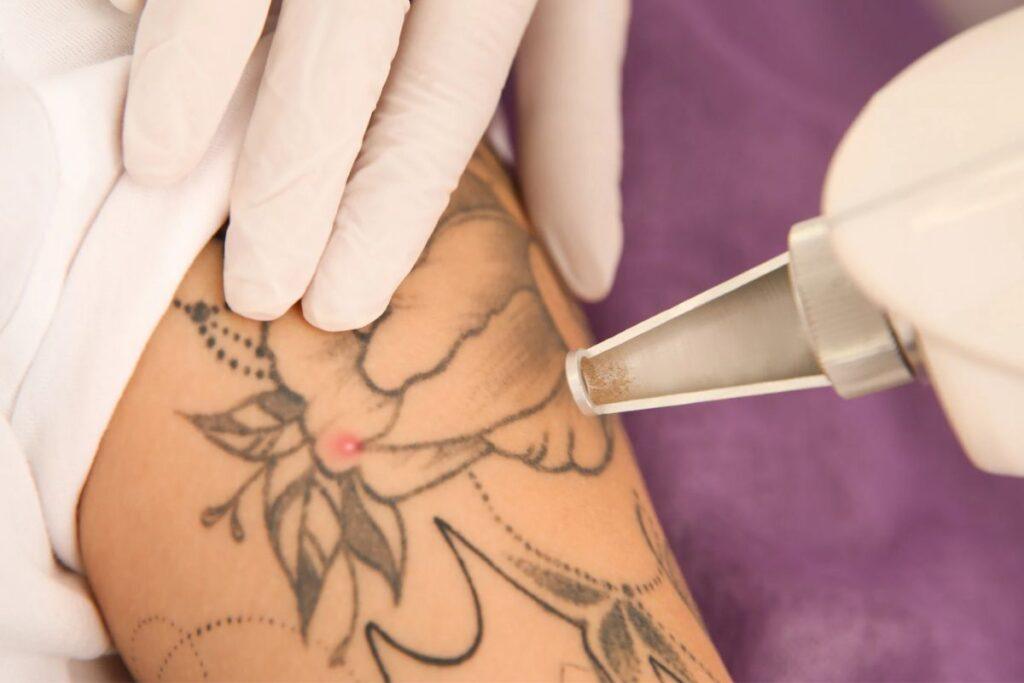
Tattoos have become increasingly popular over the years, with many people using them as a form of self-expression. Still, people change — their tastes shift, life happens, and sometimes that once-beloved tattoo starts feeling a bit out of place. When that happens, people often look into tattoo removal. In this article, we’ll walk through what is tattoo removal, how it actually works, the different methods out there, some myths that just won’t die, and what you can realistically expect if you decide to start treatment.
What Is Tattoo Removal?
Tattoo removal is basically the process of breaking down unwanted tattoo ink so your body can slowly clear it out. It’s not magic. It’s more like nudging your immune system to sweep away the shattered ink particles. Complete removal isn’t always guaranteed — let’s be honest — but most treatments fade a tattoo enough that it barely grabs your attention anymore. And that’s pretty amazing when you realise how stubborn tattoo ink can be.
Tattoo Removal Methods
There are several ways people try to fade or remove tattoos, each with its own pros, cons, and, sometimes, surprises.
- Laser Tattoo Removal: This is the crowd favourite. It uses focused bursts of light to break up ink particles. Simple idea, surprisingly powerful.
- Surgical Excision: A very direct approach — the tattooed skin is cut out, then the remaining skin is stitched together. Works best for small tattoos since, well, skin is limited real estate.
- Dermabrasion: A rotating abrasive tool sands down the top layers of skin. As those layers go, the tattoo lightens. It sounds intense because it kind of is.
Myths About Tattoo Removal
A lot of wild ideas circulate about tattoo removal. Some harmless, some just flat-out wrong.
- Tattoo removal is painless: Not really. Some people tolerate it fine, others find it uncomfortable. Everyone’s different, but “painless” is a stretch.
- All tattoos can be completely removed: Certain inks, older tattoos, or specific skin types can be tougher. Oddly enough, the simplest tattoos sometimes cling the hardest.
- Tattoo removal is a quick process: Definitely not. Most tattoos need several sessions, spaced out with healing time. It’s a gradual thing, not a one-and-done deal.
ALSO READ: Why Reusable Incontinence Underwear Actually Makes Sense in 2025
What To Expect During Tattoo Removal
Going in with realistic expectations helps more than most people realize.
- Consultation: You’ll meet with a specialist to talk through the tattoo, your health background, and what you’re hoping for. Sometimes the truth is blunt, but it’s necessary.
- Treatment Sessions: The number of sessions depends on the tattoo’s size, color, age — all that stuff. Some fade fast. Others feel like they’re hanging on out of spite.
- Aftercare: After each session, you’ll need to follow the care instructions closely. It’s easy to overlook, but crucial for good healing.
Choosing A Tattoo Removal Provider
Finding the right provider matters a lot. Seriously.
If you’re considering tattoo removal, look for a clinic that truly specialises in it and uses trained professionals — not someone who does it “on the side.” For example, if you’re searching for professional tattoo removal in Honolulu, check local clinics, read genuine reviews, and book consultations. Pay attention to how the place feels. If something feels off, trust that instinct.
Potential Side Effects And Risks
Tattoo removal is usually safe when performed by a qualified professional, but like anything medical, there are possible risks.
- Pain or discomfort during and after treatment
- Redness, irritation, or swelling — sometimes all three at once
- Scarring or changes in skin texture, depending on how your skin reacts
- Infection, especially if aftercare steps are ignored or rushed
Conclusion
Tattoo removal can be a good option for anyone ready to fade or erase a tattoo they’ve outgrown. Understanding the methods, clearing up the myths, and knowing what the process involves can help you decide if it’s the right move. Choosing a reputable provider and taking aftercare seriously makes all the difference in the final outcome.
Disclaimer: This content is provided for informational purposes only and is not intended as medical or professional advice. It should not be considered a substitute for consultation with a qualified healthcare provider. The information does not promote any product or treatment. Always seek professional guidance before making health-related decisions.





It’s got a little bit of everything. I’m finding it pretty fun. Maybe you will too? Give it a go.