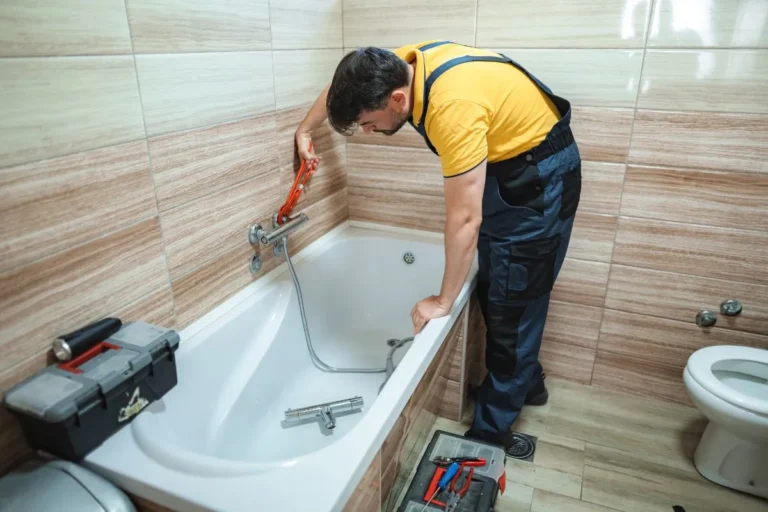
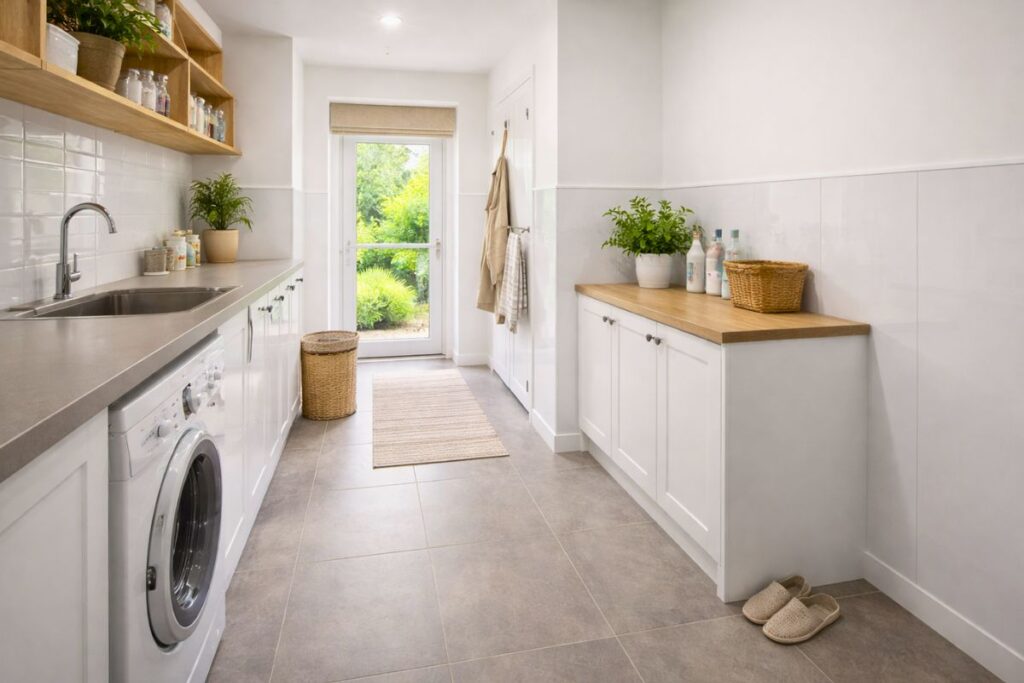
Choosing the right hygienic wall sheets for a space that sees a lot of foot traffic or constant moisture isn’t a throwaway decision. It affects how long the building holds up. It also affects how safe people feel using it, which matters more than we sometimes admit. Whether you’re refreshing a commercial kitchen, fitting out a clinical space, or sorting a utility room at home, the aim is pretty simple. You want a surface that shrugs off dirt and moisture without complaint. Paint and wallpaper? Let’s be honest, they just don’t cut it when hygiene is a legal requirement or even just common sense.
Hygienic surfacing has come a long way in the last ten years. It used to be all about function and nothing else. Now it’s functional and, surprisingly, good-looking. Still, with so many options out there—different thicknesses, materials, fire ratings—it’s easy to buy the wrong thing if you rush it. That’s where problems creep in. Early wear. Failed inspections. Costly do-overs. Not ideal. Taking a bit of time to understand what you’re installing before work starts can save a lot of frustration later. So, yes, read on. These are the things that actually matter.
Hygienic Wall Sheets: Material Composition And Thickness
Not all plastic panels are created equal. That’s the truth of it. Most high-quality hygienic wall sheets are made from solid PVC, which gives you a smooth surface and impressive durability. When you’re comparing options, don’t skim past the thickness. It matters more than you might think. Sheets usually fall somewhere between 1.5mm and 3mm. The right choice depends entirely on where the panels are going.
In a home bathroom or a low-use storage room, thinner sheets often do the job just fine. No drama there. But move into a commercial kitchen or a hospital corridor and it’s a different story. Walls get knocked. Trolleys scrape past. Equipment hits corners. In those environments, a 2.5mm or 3mm panel isn’t optional. It’s essential. Thicker sheets offer far better impact resistance, which means fewer cracks, fewer dents, and fewer headaches down the line.
Fire Safety And Compliance Standards
Fire safety rules in the UK are, rightly, very strict. This is especially true in commercial and public buildings. Being waterproof isn’t enough. Not even close. Wall sheets must meet clear standards around flame spread and fire behaviour. Before you buy anything, it’s crucial to check the fire rating. Don’t assume. Always verify. British Standards exist for a reason.
Panels with a Class 1 or Class 0 fire rating are the ones to look for. These ratings show that the material has been tested properly and won’t significantly fuel a fire if the worst happens. In professional settings, this is non-negotiable. There’s no wiggle room here. A trustworthy supplier will have no issue providing certification. If they hesitate, that’s your cue to walk away.
ALSO READ: Guy Willison: The British Bike Builder and Custom Motorcycle Expert
The Importance Of Professional Trims And Sealants
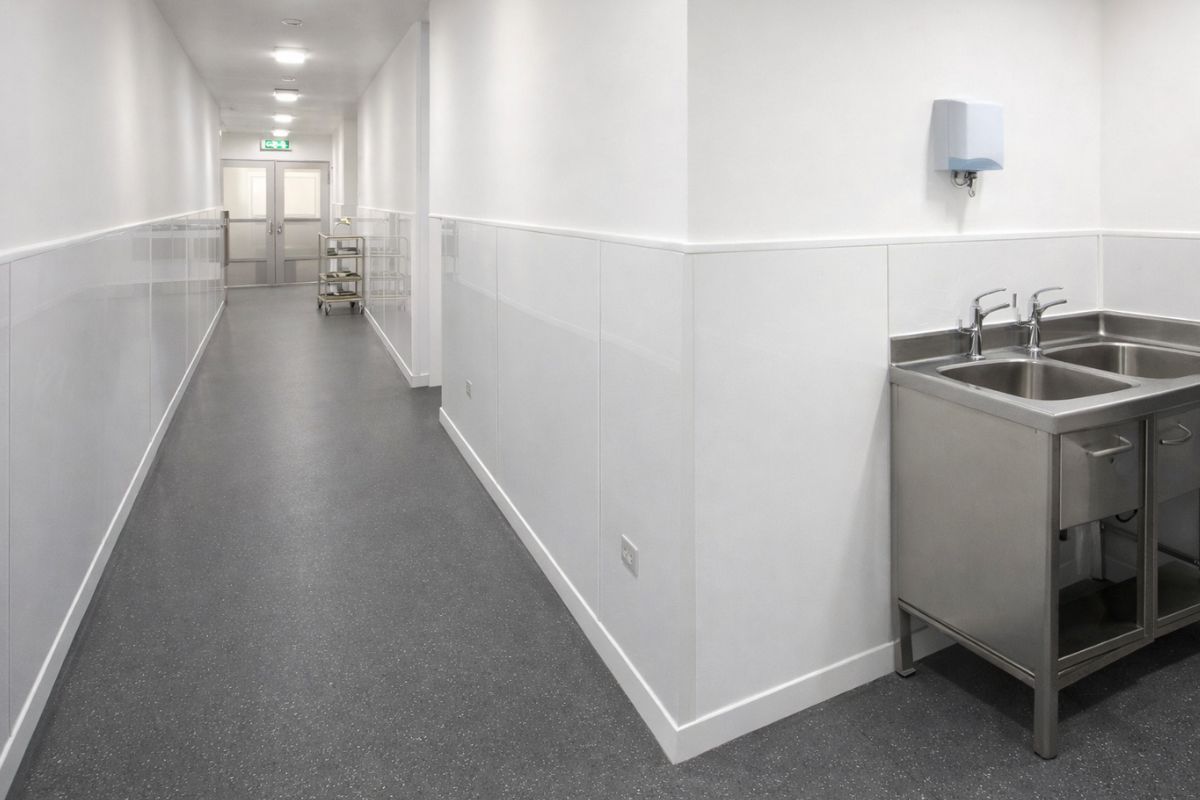
A hygienic wall system is only as strong as its weakest link. More often than not, that weak point is the joint between sheets. Skip the correct trims or use the wrong sealant and you’re asking for trouble. Moisture sneaks in. Bacteria follows. Before you know it, there’s mould growing where you can’t even see it. Eventually, the adhesive gives up. And then you’re back to square one.
There are a few joint options to consider. H-divider trims are common. Hot-welded seams are another. Trims tend to be easier for DIY jobs and still give a clean, polished finish. In high-care clinical spaces, though, professionals often lean toward welded joints. They create a completely seamless surface. No gaps. No hiding places for contaminants. It’s a small detail, but it makes a big difference.
Adhesives And Substrate Compatibility
How long your wall system lasts comes down to the bond behind it. The adhesive matters. A lot. You’ll need a high-quality, solvent-free adhesive designed specifically for PVC. Some general construction adhesives contain solvents that react badly with plastic. Over time, they can cause warping or weaken the sheet. It’s one of those mistakes you don’t notice until it’s too late.
The surface underneath is just as important. Hygienic panels can go over tiles or plasterboard, sure. But the wall must be dry. Flat. Clean. No grease. No lingering damp. If moisture is trapped underneath, the adhesive won’t cure properly. The panels may start peeling away later. And fixing that? It’s never quick or cheap.
Aesthetic Choices And Finish Options
Hygiene comes first, obviously. Still, there’s no reason to settle for something that looks bland. Modern wall sheets are available in all sorts of finishes. High-gloss white is a classic. Satin colours add warmth. Even wood-grain effects are on the table now, which still surprises people. Gloss finishes work especially well in kitchens. They wipe clean with almost no effort. Satin finishes tend to shine in bathrooms. They’re better at hiding water marks and fingerprints, which is a win on busy days.
Lighting plays a bigger role than most people expect. Gloss surfaces bounce light around and can make small, dim rooms feel more open. That’s a nice bonus. On the flip side, very bright artificial lighting can create glare. In those cases, satin is often the calmer choice. Picking a colour that works with your existing fixtures helps everything feel deliberate, not thrown together.
Closing Remarks
Spending time upfront to understand these details pays off. It really does. When you prioritise the correct thickness, proper fire ratings, and the right installation components, you’re investing wisely in your property. This is the kind of solution you install once and don’t have to worry about again. Less maintenance walls. Fewer problems. A safer space for everyone using it.
Hygienic wall sheets are an effective way to modernise a room while making it far more practical. When quality materials meet correct installation, the result is a clean, durable finish that holds up over time. Honestly, for spaces where cleanliness isn’t optional, it’s hard to beat.
Disclaimer: This article is provided for informational purposes only. It is intended to offer general guidance and related considerations and does not constitute professional, technical, or commercial advice. The content should not be interpreted as an endorsement or promotion of any specific product, brand, or supplier. Readers are advised to consult qualified professionals and verify compliance with relevant regulations before making installation or purchasing decisions.