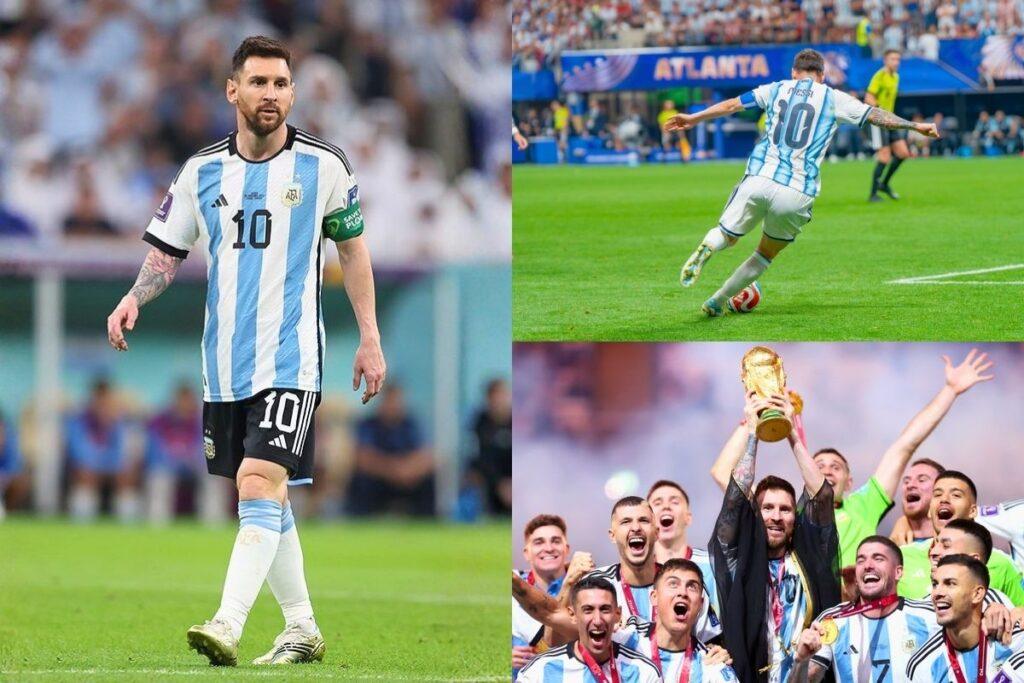
The global game has finally reached the end of an era as Lionel Messi international retirement becomes official following Argentina’s campaign at the 2026 FIFA World Cup.
After a staggering 21-year journey wearing the famous blue and white stripes, the eight-time Ballon d’Or winner has officially hung up his boots for La Albiceleste.
For millions of football fans worldwide—part of a global audience that reached 1.42 billion live viewers during Argentina’s 2022 World Cup final victory and generated 5 billion engagements across tournament media—the news marks a poignant closing chapter for a player who redefined modern excellence.
- Total Appearances: 207 international matches for Argentina.
- Goal Record: 125 goals scored, making him the nation’s all-time leading scorer.
- Trophies Won: FIFA World Cup (2022) and multiple Copa América titles.
- Final Appearance: The 2026 World Cup final against Spain.
- Club Status: Continues playing club football in Major League Soccer with Inter Miami.
Why Now? The Context Behind The Decision
The announcement did not come out of nowhere, but the timing carried immense personal weight. Messi revealed that he originally drafted his farewell letter just two days after Argentina’s narrow extra-time defeat to Spain in the 2026 World Cup final. However, following the passing of his father and lifelong confidant, Jorge Messi, in August, the veteran captain chose to delay making the news public.
When he finally shared his football international retirement statement via social media, the emotional toll was evident. At 39 years old, Messi explained that he simply had nothing left to give physically, noting that a brilliant generation of Argentine young talent is ready to take the mantle. Unlike his brief, emotional retirement back in 2016, this exit feels definitive—a graceful bow after scaling every peak the sport has to offer.
The Staggering Numbers Behind Lionel Messi Legendary Career
It is nearly impossible to quantify the impact Messi has had on international football. Over two decades, he transitioned from a fiery teenage prodigy into the wise, heartbeat orchestrator of a world-beating squad.
| Metric / Category | Milestone / Record |
|---|---|
| Total Caps | 207 appearances (Argentina’s record-holder) |
| International Goals | 125 goals (All-time top scorer for Argentina) |
| World Cup Tournaments | 6 editions (2006 through 2026) |
| Major Honours | 1x World Cup (2022), Multiple Copa América titles |
Table Source: Compiled from official FIFA records and Argentine Football Association historical data.
Beyond the raw statistics, his legacy is defined by resilience. After enduring years of heart-wrenching final defeats and intense domestic pressure, he bounced back to capture the 2021 Copa América, the 2022 World Cup in Qatar, and another continental crown in 2024. He leaves the international arena as the second-highest men’s international goalscorer in history, trailing only Portugal’s Cristiano Ronaldo.
What Does Lionel Messi International Retirement Mean For Argentina?
Transitioning away from a generational icon is never seamless. For twenty years, the tactical blueprint for Argentina was simple: get the ball to Messi and let him create magic.
Manager Lionel Scaloni and his coaching staff have already begun blooding younger options in the attacking third. While no single player can replicate Messi’s vision, weight of pass, or clutch goalscoring ability, the current squad inherits a winning culture built on grit and tactical discipline. The pressure of carrying a nation’s expectations now shifts to the next wave of young stars coming through the domestic and European pipelines.
Life Beyond The National Crest
While his chapter with La Albiceleste is closed, boots are not entirely hung up just yet. Messi remains contracted with Major League Soccer side Inter Miami through 2028, where he continues to thrill crowds in North America.
Fans will still get to enjoy his sublime club performances on a weekly basis, free from the punishing cross-continental travel and grueling international windows. Yet, seeing him pull on that famous light-blue and white striped jersey one final time remains an image etched permanently into football folklore. The maestro has finally stepped down, leaving behind a game vastly richer than the one he entered.
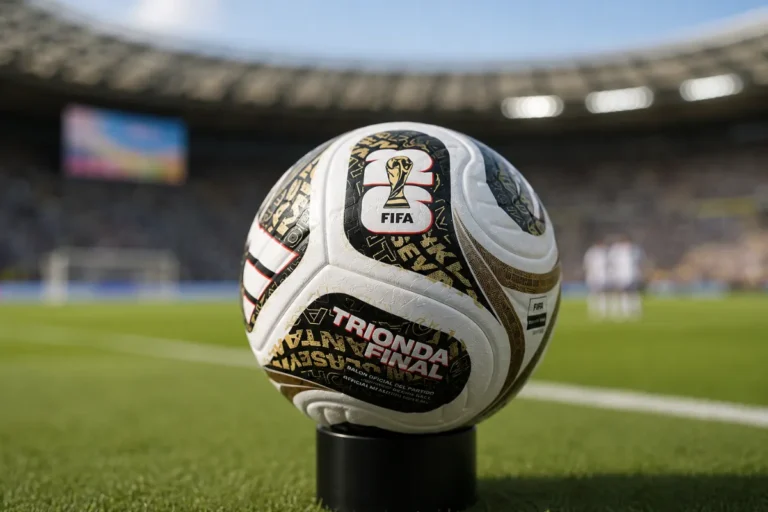
ALSO READ: Why Did FIFA Introduce a New Ball for the World Cup 2026 Semi-Finals?
FAQs
Q1. Is Lionel Messi Officially Retired From Football Completely?
No. Messi has only retired from international football with the Argentina national team. He continues to play club football for Major League Soccer side Inter Miami.
Q2. How Many International Goals Did Lionel Messi Score?
Messi finished his international career with 125 goals in 207 appearances for Argentina, making him the country’s all-time leading goalscorer.
Q3. Why Did Lionel Messi Announce His Retirement When He Did?
He originally made the decision two days after the 2026 World Cup final on July 21, but delayed making a public announcement due to the passing of his father in August.
Q4. Has Messi Retired From International Football Before?
Yes. He briefly retired in 2016 following the Copa América Centenario final loss to Chile, but he reversed that decision shortly after to continue playing for his country.
Q5. Will Lionel Messi Play In The Next World Cup?
No. At 39 years old, Messi has confirmed that his physical limits have been reached and that the 2026 tournament was his final appearance on the international stage.
Sources & References
- FIFA. (2026). Lionel Messi retires from international football. Official governing body tournament news and archives.
- Argentine Football Association (AFA). (2026). Argentina national team historical records: Caps, goals, and major honours.
- Major League Soccer (MLS). (2026). Inter Miami CF player profile: Lionel Messi contract and club career update.
- BBC Sport. (2026). Lionel Messi confirms retirement from international football after 2026 World Cup final.
- Wikipedia. (2026). Lionel Messi.
Disclaimer: This article is provided strictly for general informational and sports reporting purposes and does not constitute any form of commercial promotion or official endorsement. The publisher does not guarantee the absolute timeliness or completeness of all statistics presented, and readers should independently verify facts with official sporting bodies. Decisions made based on this content are at the reader’s discretion, and professional consultation should be sought where appropriate.