
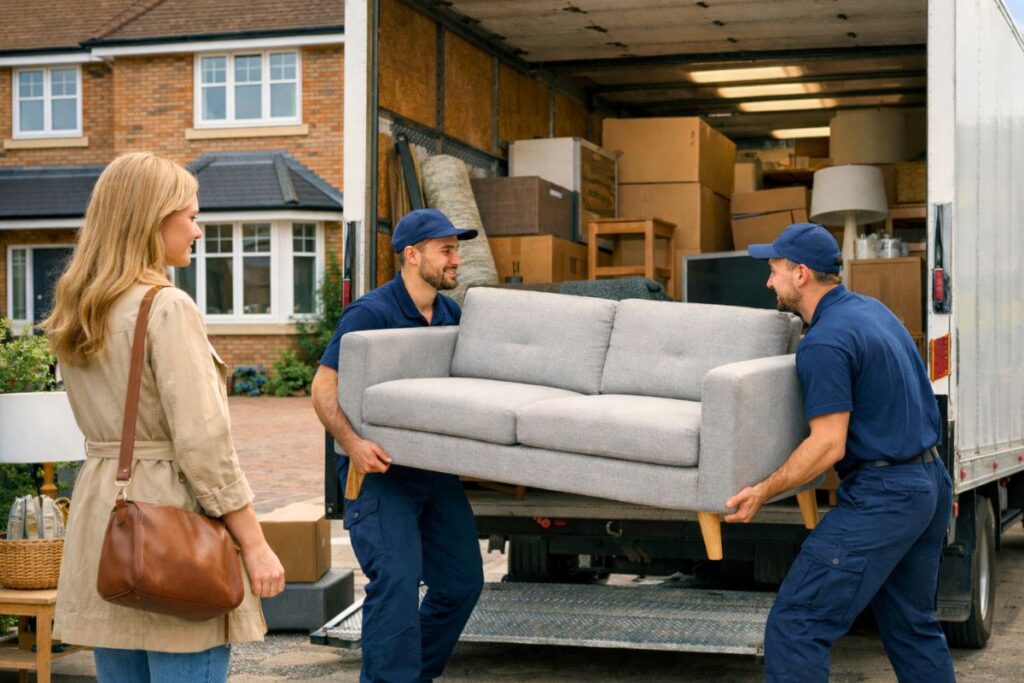
Life in the capital has never exactly been slow. London has always moved fast. Actually, frantic is probably the better word. But 2026? It’s brought a whole new layer of headaches for people trying to furnish their homes. Sounds simple at first—buy furniture, move it in. Easy, right? Well… not really due to the hassle with the furniture delivery process.
Picture this for a second. Someone orders a velvet modular sofa for a sleek glass tower in Canary Wharf. Or maybe it’s a reclaimed oak dining table heading to a cosy period conversion in Richmond. Lovely pieces, honestly. But getting them through London’s streets? That’s where things get messy. The logistics alone can make your head spin. Personal cars used to do the trick, sure. Borrow a van, rope in a friend or two. Done. These days though, that approach just doesn’t cut it. More and more residents are ditching the DIY route. Instead, they’re leaning on professionals to handle the heavy lifting—and, frankly, the headache that comes with it.
Modern city life demands smarter solutions. That’s just how it goes. And logistics in London? No exception there. The city keeps evolving. Buildings get taller. Roads get busier. Rules change. Because of that, the reasons people hire professionals to move large furniture have shifted a bit too. It’s not just convenience anymore. A bunch of different factors are nudging people in the same direction. And in 2026, you can really feel that shift across the city.
The Evolution of Urban Logistics
One big reason people are calling in experts comes down to traffic rules. London has tightened them quite a bit. Environmental zones have expanded. Zero-emission areas are becoming more common, and honestly, they’re not going anywhere.
That creates a small problem for regular people. A lot of the older vans people once borrowed or rented now fall outside the allowed standards. Drive one through certain zones and—boom—you’re hit with daily charges. And they aren’t exactly cheap. Professional moving teams already operate fleets that meet these newer environmental standards. That means they can move around the city without triggering fines. Customers don’t get unpleasant surprises later, which, let’s be real, nobody enjoys.
Then there’s the traffic itself. London traffic isn’t just busy. It’s relentless. For someone who rarely drives a large vehicle, the idea of navigating those streets can feel pretty intimidating. Honestly, even locals sometimes struggle with it.
Imagine trying to manoeuvre a bulky van through a narrow side street in Soho. Now imagine doing that while transporting a delicate glass coffee table in the back. One sudden stop, one wrong turn… you see where this is going. So people increasingly step back and let experienced drivers handle it instead. Using a dedicated furniture delivery service makes life simpler. Residents can carry on with their day while their furniture travels safely across the city. Less stress. Fewer risks. Honestly, it just makes sense.
ALSO READ: Moving Home in London: Practical Tips for Navigating the City’s Busy Streets
The Reality of High-Rise Living
London’s skyline has changed a lot. Even if you haven’t visited in a few years, you’d notice it immediately. New towers everywhere. Glass buildings stretching upward. Ten years ago it looked different. In 2026, the city feels taller—sometimes dramatically so.
Thousands of people now live in high-rise apartment blocks. And living high up has its perks, sure. Great views. Modern facilities. But moving furniture into those buildings? That’s another story entirely.
Take something simple like a king-size memory foam mattress. Or maybe a heavy marble-topped sideboard. Getting those items to the twentieth floor isn’t just about pressing the lift button. Not even close. Buildings often have strict loading schedules. Service entrances must be used. Sometimes residents have to reserve specific time slots for the loading bays. Miss your slot and—well—you might be waiting another day.
Professional moving crews deal with these systems all the time. They know the routines. They understand building policies. And they’ve seen almost every tricky situation you can imagine.
They also know how to move awkward pieces. Things like bespoke floor-to-ceiling bookshelves don’t exactly glide around corners. Getting them through tight hallways takes patience and skill. And padding. Lots of padding. Professionals protect walls, lifts, and communal hallways while they work. For renters especially, that expertise matters. Nobody wants to lose part of their security deposit because of a scratched corridor wall.
Convenience and the Value of Time
Time in London is… well, precious. People guard their weekends fiercely. After a long workweek, the last thing many residents want is to wrestle with flat-pack furniture or drag a heavy mahogany wardrobe up several flights of stairs.
The do-it-yourself approach still exists, sure. But it’s losing some of its charm. Slowly but noticeably. Londoners are starting to prioritise their free time and mental wellbeing. And honestly, that shift feels pretty understandable.
When professionals handle the physical work, furniture gets delivered, carried inside, and positioned exactly where it should go. No sore backs. No awkward lifting mishaps. Just… done.
- Safety and Injury Prevention: Trying to lift an ergonomic corner desk without proper technique can lead to injuries. Back strain is common. Accidents happen more easily than people expect.
- Specialist Equipment: Professional teams arrive with tools most people simply don’t own. Hoists. Ramps. Protective padding designed specifically for fragile furniture.
- Insurance Peace of Mind: Delicate items like antique mirrors are insured during transport. That protection can make a big difference if something goes wrong along the way.
- Assembly Options: Some services even assemble furniture after delivery. For example, they might put together a six-piece outdoor lounge set right there on-site. That alone can save several hours—and a fair amount of frustration.
Sustainable Consumption and Vintage Finds
Something interesting has also been happening in 2026. The second-hand furniture market is booming. Absolutely booming, actually.
More Londoners are buying vintage pieces. They browse online marketplaces. They follow auction listings. Instead of always buying brand-new furniture from large retailers, people are hunting for unique items with character. It’s a different kind of shopping experience—more personal somehow.
These finds can be pretty special too. Think of a mid-century teak sideboard with clean lines. Or an industrial-style steel cabinet that adds a bit of edge to a room. Pieces like that often come from individual sellers. And unlike big retailers, those sellers rarely offer delivery services.
So buyers have to arrange transportation themselves. That’s where logistics services step in again.
Someone might buy a reconditioned leather armchair from a seller in Hackney. It then needs to travel across the city to a home in Wandsworth. Without reliable transport options, that kind of sustainable shopping would be much harder. The circular economy depends on these delivery networks more than people might realise.
ALSO READ: How Much Does Student Self Storage Actually Cost in London?
The Important Takeaway
At the end of the day, this growing reliance on professional help reflects bigger shifts happening across London. The city’s infrastructure is evolving. Housing density keeps rising. Traffic laws are becoming stricter.
Put all those pieces together and the traditional DIY method starts to feel less practical. Maybe even outdated in some situations. That doesn’t mean people have stopped moving furniture themselves entirely—of course not. But many residents are deciding their time, safety, and convenience are worth the extra help.
And looking ahead? It’s hard to imagine the trend slowing down anytime soon. As London continues moving through the second half of the decade, professional logistics services will probably become an even bigger part of everyday city life. For many residents, they already are.
Sources & References
- VP Smart Removals. (2026, March 8). Removals from London: The 2026 expert guide to leaving the capital.
- Transport for London. (2026). Vans, minibuses and more: Ultra Low Emission Zone guidance for light commercial vehicles.
- Retail Revealed. (2025, October 20). UK furniture logistics in 2026: Challenges and solutions.
- Logistics UK. (2025). The Logistics Report 2025.
- Q Couriers. (2025). Managing high‑rise deliveries.
- UKBestVanBuyer. (2025, February). How ULEZ and congestion charges are impacting van owners.
Disclaimer: This article is intended for informational purposes only. The content does not constitute professional, legal, or commercial advice and should not be interpreted as a promotion of any specific service or provider. Readers are encouraged to conduct their own research or consult professionals before making decisions based on the information presented.