
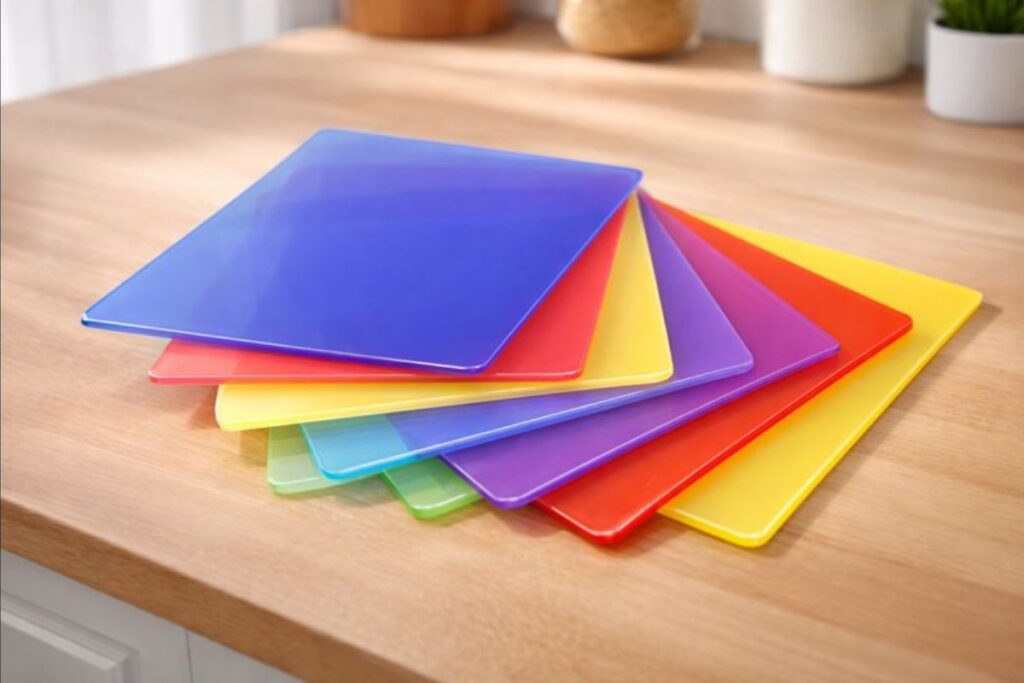
Polypropylene Copolymer (PPC) sheets show up in a surprising number of industries, and honestly, it’s easy to see why. They’re tough. They’re lightweight. And they’re simple to work with, which matters more than people admit. Even with regular knocks, bumps, and shifts in moisture, they hold their ground. That steady performance makes them useful for indoor jobs, outdoor tasks, and everything in between.
There’s also the recycling angle, which, let’s be real, counts these days. PPC sheets appeal to builders and fabricators who want materials that line up with more responsible choices. Stick around, because by the end, it becomes clear why these sheets quietly pull their weight in construction and fabrication work.
Strength That Suits Structural Protection
Construction environments aren’t gentle. Temperatures shift. Pressure builds. Things get moved, dropped, and leaned on. That’s why materials need to handle stress without giving up. A PPC sheet stands out because it absorbs impact instead of snapping. It flexes a little first. That small detail helps limit damage during busy, active work. As a result, it works well for temporary guards, protective panels, or spaces where hands are constantly on the surface. On top of that, it resists water, so moisture from wet seasons doesn’t soak in or weaken it.
Because it’s light, handling the panels is less of a hassle. You can move or fix them without hauling in heavy lifting equipment. That alone saves time. It’s a sensible choice when you need surfaces that stay solid, clean, and dependable without nonstop maintenance. On hectic sites, that kind of reliability feels like a small win.
ALSO READ: The Value of Flexible Heavy Equipment Solutions For Construction
Support for Damp and Hygienic Areas
Some environments deal with steam, splashes, and frequent washdowns. PPC sheets handle that reality pretty well. Their resistance to moisture stops swelling before it starts. Panels stay stable, even when temperatures bounce around. This makes them a smart option for areas that need routine cleaning or spaces that stay damp more often than not.
The surface also holds up against everyday cleaning products. It doesn’t react easily, which is reassuring. That helps maintain hygiene in areas tied to food prep, controlled environments, or public facilities. Since the sheet stays smooth, cleaning feels quicker. You’re not stuck scrubbing forever to remove stains or residue.
Reliable Material for Fabricated Parts
Fabrication work depends on materials that behave predictably. PPC sheets do exactly that. They cut cleanly. They drill without drama. They form smoothly when shaped. You can produce housings, trays, or structural inserts that stay rigid while keeping weight down. That balance of strength and flexibility makes routing and bending more accurate, which, oddly enough, reduces frustration during the process.
The finish also comes out neat because the material doesn’t chip easily. Edges stay clean. That means less time fixing mistakes and more time moving forward. PPC sheets fit naturally into workshops that produce repeat parts with tight tolerances. Their consistency builds trust. You start planning future projects knowing what the material will deliver.
Ideal for Prototypes and Custom Builds
Prototyping is all about testing ideas quickly, and PPC sheets fit right into that mindset. You can cut, tweak, and reshape pieces without worrying about cracks forming. That keeps prototypes accurate as designs evolve. The lightweight feel helps too. Handling parts over and over doesn’t wear you out, which supports faster testing cycles.
Even after repeated handling, the sheet stays stable. That consistency matters when comparing different versions of a design. Custom shapes come together easily, whether for display units, internal housings, or mechanical covers. Production stays quick. Strength stays reliable. Decisions move faster as sketches turn into finished components.
ALSO READ: How to Prepare for a House Renovation: A Simple Waste-Planning Guide for Homeowners
Wrapping Up
A PPC sheet brings real advantages to construction and fabrication work. It’s strong. It resists moisture. And it’s easy to shape without fuss. That combination makes it useful for protective panels, hygienic spaces, fabricated parts, fast prototypes, and plenty more applications.
The mix of strength, low weight, and durability keeps workflows smooth. Whether you’re on-site managing installations or in a workshop crafting detailed components, PPC sheets quietly support the work without slowing you down.
Sources:
- Plastics International website; Polypropylene Copolymer Data Sheet.
- Oadby Plastics; PPC Cladding Sheet Technical Datasheet.
Disclaimer: This article is intended for informational purposes only. It does not constitute an endorsement or promotion of any specific product, brand, or supplier. Readers are encouraged to conduct their own research and evaluate materials based on their individual requirements before making any purchasing or usage decisions.