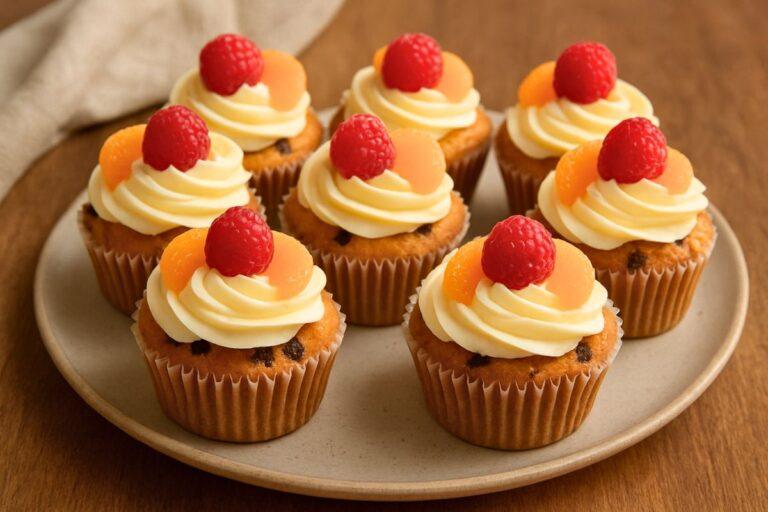

Strawberry shortcake is three things stacked up. A crumbly, buttery cake of flour, butter, sugar, salt, a raising agent, and milk or cream. Sugared strawberries. Then a mountain of whipped or clotted cream.
Every June someone at a garden party points at these and calls them ‘sponge’. It isn’t. Never has been. So, what is a strawberry shortcake made of, really? Butter. That’s the secret nobody tells you.
- It has six ingredients. Eggs are optional.
- “Short” is old baker-speak for crumbly.
- Sugar the berries, and they make their own syrup.
- Clotted cream if you’re posh. Whipped if you’re rushed.
- It has anywhere from 393 to 577 calories a pop.
What A Shortcake Actually Is
It’s somewhere between a scone and a slab of shortbread. It has crumbly edges, a soft middle, and no airy sponge nonsense. BBC Good Food pins it down as a sweet biscuit with a scone-ish bite.
In a UK supermarket, “shortcake” is also a dry tea biscuit, lighter than shortbread. Fly to America or Japan and you’ll get a sponge stuffed with berries and cream, still called shortcake. Cheek of it. Even our bakers squabble: Baking With Granny won’t budge from old-fashioned shortbread.
ALSO READ: Easy Fluffy Flapjacks Recipe: How Do You Actually Make Pancakes Fluffy?
What Is A Strawberry Shortcake Made Of? The Three Layers
| Layer | What goes in | Why you need it |
|---|---|---|
The cake | Flour, cold butter, caster sugar, salt, baking powder, milk or cream, sometimes egg | Buttery crumb that drinks the juice |
The berries | Ripe strawberries, sugar, lemon | Sweet, sharp, syrupy |
The cream | Double or clotted cream, icing sugar, vanilla | Stops it being too sweet |
Table Source: Compiled from Classic Strawberry Shortcake Composition & Culinary Standards.
Building The Crumb
Butter straight from the fridge. Rub it into the flour until it looks like breadcrumbs, leaving a few pea-sized lumps. Those lumps melt into steam and shove the cakes upwards. Serious Eats reckons hands beat a food processor, because you can feel when the butter goes soft. The machine’s fine too; just sift the flour first.
Liquid changes everything. Milk plus egg gives a lighter, scone-ish cake. Double cream gives a richer one, purely because there’s more fat. My Gorgeous Recipes skips the egg and lets cream do the work.
And please, don’t knead it. Overwork the dough and you’ll be chewing. Roll it to between 1cm and 2.5cm and stamp your rounds, pressing straight down. No twisting. Twisting seals the edges and your cakes sulk in the oven. Too much liquid and they spread instead of rising, and a flat shortcake can’t be split.
The oven goes hot. Most British recipes want 200°C to 220°C, fan 200°C, gas mark 7, for 10 to 12 minutes. They’re done when golden and hollow-sounding underneath. Brush the tops with beaten egg, milk or cream first, and demerara makes a crunchy lid. Warm kitchen? Chill the rounds for half an hour.
Shaping Them Your Way
Cutters aren’t compulsory. Some blob spoonfuls of wetter dough onto the tray. Others bake one slab and slice it like brownies, or use a cake tin.
Why The Strawberries Get Sugared
Macerating. Slice the berries thin, scatter sugar over, squeeze in some lemon, then leave them alone. The sugar drags the juice out, giving syrup and softer fruit. Two hours does it, but four to eight in the fridge gives more syrup without soaking the cakes to mush. One rule: use decent English strawberries. Out-of-season ones taste of nothing.
Whipped Cream Or Clotted?
Pick your side. Whip double cream to soft peaks with icing sugar and vanilla. Or go clotted, the older, richer route. Beat icing sugar into clotted cream and it goes worryingly runny at first. Keep beating. It thickens back up, promise. Whip late, mind. Everyday Cooks warns that standing cream goes dull and yellow.
Putting It All Together
Two camps. One splits the cake, spreads cream on the bottom, spoons over berries and syrup, then pops the lid on. The other leaves it whole, slices the top flat, then adds a teaspoon of strawberry jam, a fat dollop of cream and berries.
How It Looks And Tastes
Golden, slightly cracked, a bit sandy if you’ve used demerara. Inside, it’s tender and just cakey enough. Every mouthful is buttery crumb, cold cream, soft fruit and sharp syrup at once. It’s supposed to look messy, so stop fiddling. Some folk crumble the lot into a bowl, pour milk over and eat it with a spoon. Sounds odd. Tastes brilliant.
Nutrition At A Glance
The nutrition and calories depend on how heavy-handed you are. A clotted cream version sits near;
| Version | Calories | Fat (g) | Carbs (g) |
|---|---|---|---|
| Clotted Cream | 502 | 30 | 55 |
| Double Cream (lighter) | 393 | – | – |
| American-style (piled high) | 577 | – | – |
Table Source: Nutritional data compiled from USDA FoodData Central and Public Health England (McCance and Widdowson’s Composition of Foods).
Storing And Freezing
Plain cakes last two to three days in an airtight tin. Never store them filled. Cream and juice turn that crumb to wet sponge within hours. The proper trick is freezing: two months in a sealed box, defrost overnight, job done. Slice them in half while frozen and they thaw quicker.
A Quick History
This pudding is ancient. Wikipedia’s shortcake entry traces the term “short” back to 1588 and to The Good Huswifes Handmaid for Cookerie in her Kitchen. That one was an unleavened biscuit of flour, cream, sugar, egg yolk and spices.
Thomas Dawson wrote something similar, leaning towards clotted cream and chucking in mace, clove and saffron. Shakespeare even named a character Alice Shortcake in The Merry Wives of Windsor.
Berries arrived later. A “strawberry cake” ran in The Ohio Cultivator on 1 June 1845, then Eliza Leslie made it famous in 1847. Baking powder turned up in the 1800s, the risen version took over, and the name stuck by the 1850s. By 1862 folk were pouring cream on top, with recipes in Jennie June’s American Cookery Book and Malinda Russell’s A Domestic Cook Book, both 1866.
Variations Worth Trying
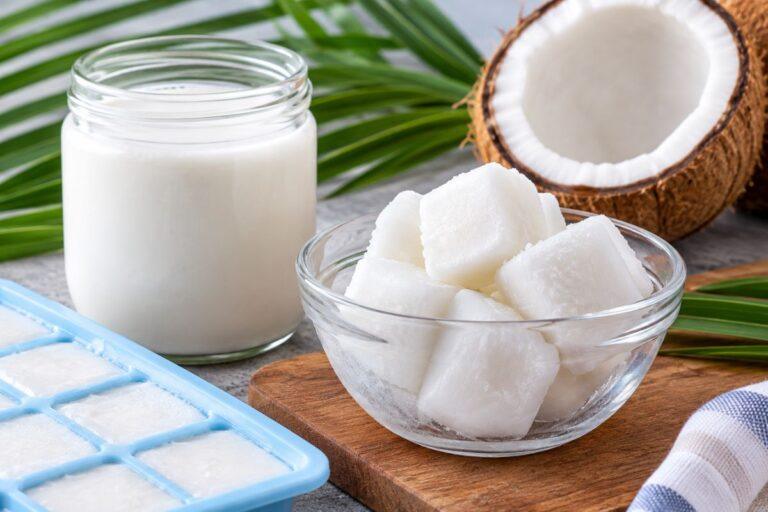
Blueberries with lemon zest and a teaspoon of poppy seeds. Elderflower cordial can be beaten into the cream, or you can add lemon juice for a sharper hit. Blackberry and clotted cream is a British classic, and lemon curd can replace cream. Chopped pistachios add crunch. Peach, chocolate and coconut work the same way. If a coconut variation leaves you with half a tin spare, you can freeze leftover coconut milk rather than tipping it away.
ALSO READ: What Is The Most Popular Food In The World In 2026? Let’s Find Out
FAQs
Q1. Is Strawberry Shortcake A Cake Or A Biscuit?
It is a biscuit, almost. The base is crumbly and buttery, not light like sponge.
Q2. What Does The “Short” In Shortcake Mean?
It means crumbly. Fat shortens the gluten strands, giving that tender, sandy bite.
Q3. Can I Use Scones Instead?
Yes, they’re close cousins. Shortcakes are just sweeter and richer.
Q4. Why Did My Shortcake Turn Out Tough?
You kneaded it too much or forgot the raising agent. Mix lightly, and use baking powder with plain flour.
Q5. Do I Have To Macerate The Berries?
No, but you’ll miss out. That syrup soaks into the crumb and improves it.
Q6. When’s The Best Time To Make It?
Late May through September. Polytunnels have extended our strawberry season at both ends.
Sources & References
- BBC Good Food. (2026). Strawberry vanilla shortcakes recipe.
- Serious Eats. (2026). Strawberry shortcake recipe: Hands vs. food processor.
- My Gorgeous Recipes. (2026). Homemade strawberry shortcakes.
- Baking With Granny. (2026). Strawberry shortcakes with traditional shortbread.
Disclaimer: This article is for informational and educational purposes only and does not constitute promotional content, commercial advertisement, or professional culinary and dietary advice. Readers should independently verify all facts, recipes, and dietary considerations and seek qualified professional advice before acting upon any information contained herein.